2026 Best Rubber Dumbbells Suppliers for Global Buyers
The global fitness equipment market is entering 2026 with stronger demand for compact, durable training products. The Health & Fitness Association’s 2024 Global Report valued the worldwide fitness industry at approximately US$96.7 billion in 2023, with membership continuing to expand across major markets. This growth supports demand for dependable Rubber Dumbbells in commercial gyms, hotels, apartment facilities, and home-training spaces.
However, selecting the best supplier requires more than comparing catalog prices. Buyers should examine rubber formulation, odor control, edge durability, handle knurling, weight accuracy, and packaging performance. The ISO 20957 series provides useful guidance for stationary training equipment safety, while independent laboratory testing can verify coating adhesion, hardness, and resistance to repeated impact. Supplier evaluations should also include factory audits, production capacity, sample approval, defect rates, export experience, and documented quality-control procedures.
The 2025 McKinsey sporting-goods research highlights continued consumer interest in accessible fitness and broader participation, but demand does not guarantee consistent product quality. Details matter. A supplier may offer an attractive quotation yet provide weak cartons, uneven logos, or unclear material declarations. Global buyers should request third-party test reports, recent production samples, and realistic lead-time commitments before placing large orders. Environmental claims also need careful review; recycled rubber content, emissions data, and end-of-life options should be supported by evidence rather than marketing language. No supplier is perfect. Even experienced buyers can underestimate replacement costs, port delays, or regional compliance differences. This guide compares leading 2026 Rubber Dumbbells suppliers through a practical lens, balancing product reliability, manufacturing capability, documentation, service responsiveness, and total landed cost.
What Are Rubber Dumbbells and Why Do Global Buyers Choose Them?
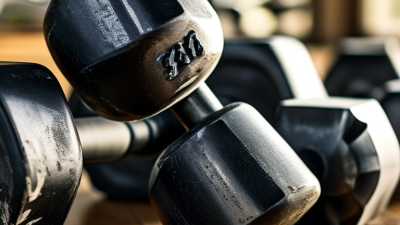
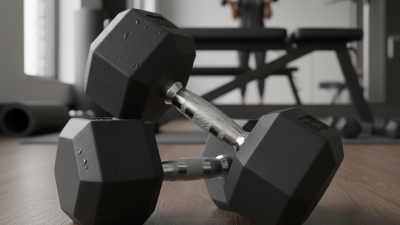
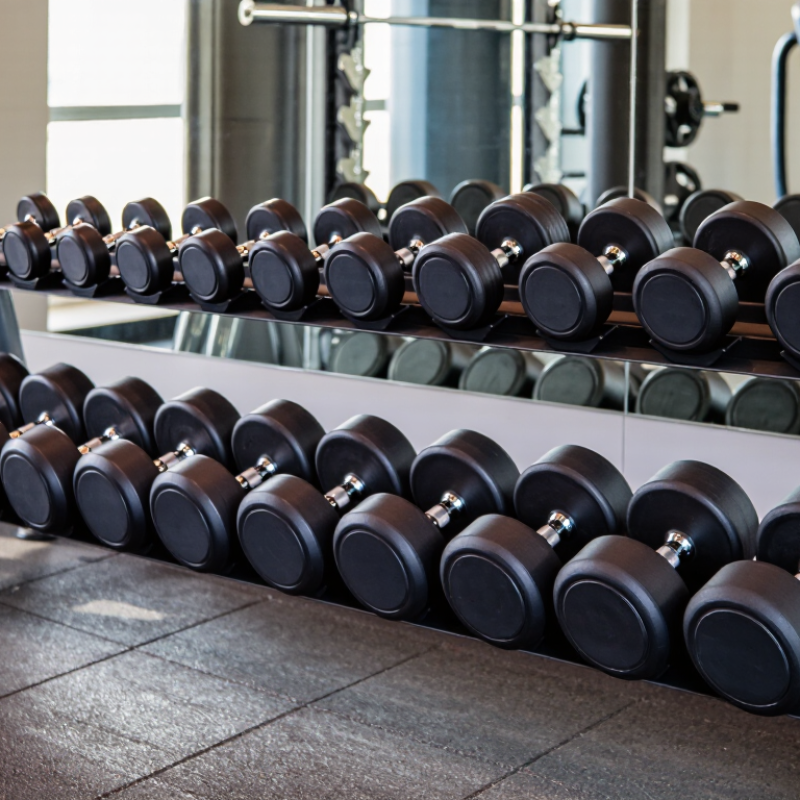
Rubber dumbbells combine a steel or cast-iron core with a molded rubber coating. The coating reduces noise, protects floors, and improves grip during pressing, rowing, or conditioning drills. Many models use hexagonal heads, which resist rolling across warehouse floors. That small detail matters during busy commercial training sessions.
Rubber is practical, not magical. Poor compounds can smell strongly, crack under ultraviolet exposure, or leave marks on light-colored flooring.
Demand is supported by wider fitness growth. The Health & Fitness Association’s 2024 consumer report recorded 72.9 million United States fitness-facility members in 2023. The Global Wellness Institute reported that the physical-activity economy reached about 1.1 trillion dollars in 2022. These figures do not measure dumbbell sales directly, but they indicate expanding equipment demand among gyms, hotels, rehabilitation centers, and home users.
Global buyers should inspect coating thickness, handle knurling, weight tolerance, weld quality, and packaging protection.
Ask for batch testing, odor information, and samples from actual production. A supplier’s catalog is not enough. I would also check whether the rubber remains stable after repeated drops and cleaning. That test can expose weak materials quickly.
Weight markings must stay readable after frequent handling. Shipping costs deserve attention too; dense metal creates expensive freight surprises.
Buyers sometimes focus on the lowest unit price, then regret the replacement rate. That mistake is common.
How to Evaluate Rubber Dumbbell Suppliers in 2026
Evaluating rubber dumbbell suppliers in 2026 requires more than comparing quoted prices. A low offer can hide inconsistent weight, weak packaging, or delayed replenishment. Ask for a current product specification sheet. It should state weight tolerance, rubber compound, handle material, dimensions, and test methods. Request samples from the same production line planned for your order. Weigh each sample yourself. Small differences matter in commercial gyms. Details matter.
During factory evaluation, inspect curing, bonding, grinding, and final weighing controls. A strong supplier can show batch records, calibrated scales, inspection photos, and corrective-action reports. Check the rubber surface for cracks, oily residue, sharp edges, and persistent odor after ventilation. Drop-test a sample on a suitable gym floor, then inspect the head and handle joint. Ask how rejected units are separated and recorded. Do not treat a certificate as proof by itself. Verify its issuer, scope, and validity for your destination market. This is where many buyers become too trusting.
Reliable communication is measurable. Ask for a production timeline, carton dimensions, pallet plan, spare-unit policy, and response time for quality claims. Clarify whether the factory or an intermediary controls inspection and shipping documents. I once accepted attractive samples without checking the final packaging, and several cartons arrived scuffed. That mistake changed my checklist. Still, no checklist catches everything. A supplier should welcome a pilot order and provide digital batch traceability from raw material receipt to dispatch. A clean sample is only the beginning.
Top Supplier Regions and Manufacturing Capabilities
For global buyers, supplier geography often signals a factory’s production strengths.
China remains a major sourcing region for rubber dumbbells, with dense networks for casting, molding, coating, and export packaging. Many factories can produce hexagonal heads, textured handles, and private-label cartons at large volumes. Vietnam is gaining attention for stable assembly capacity and improving rubber-processing skills. Its suppliers may suit buyers seeking diversified sourcing.
India offers strong metalworking experience and can support cast-iron cores, machined handles, and medium-volume orders. However, rubber consistency differs between factories, so sample testing matters. European manufacturers often provide tighter process control, detailed technical files, and advanced material testing. Their prices are usually higher. That trade-off needs honest calculation.
A capable supplier should explain rubber hardness, coating thickness, core alignment, and curing temperature. Ask for batch records, inspection photos, and independent test reports. Good factories measure handle diameter and dumbbell weight before packing. They also inspect surface bubbles, sharp edges, odor, and coating adhesion. During audits, I would check ventilation, mold maintenance, worker training, and traceability from raw rubber to cartons.
Certifications can support trust, but certificates alone prove little. Confirm the issuing body and testing scope. Some suppliers communicate well before sampling, then become vague after production starts. That is a warning sign. Buyers should compare failure rates, not only quoted prices. Even experienced sourcing teams can underestimate freight damage. Drop testing and stronger inner dividers may prevent costly claims.