What is an Adjustable Barbell and How to Choose One?
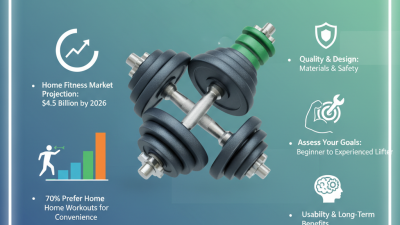
The adjustable barbell has become a game-changer in modern strength training. According to the National Strength and Conditioning Association, 70% of fitness enthusiasts prefer versatile equipment that saves space. The adjustable barbell meets this demand. It allows users to easily modify weight, making workouts efficient and effective. Industry expert Dr. John Reinhold states, “An adjustable barbell bridges the gap for those seeking flexibility in their routines.”
With a growing trend in home gyms, the adjustable barbell is essential. A report from Fitness Equipment Market Research reveals that the global market for adjustable barbells is projected to grow by 25% annually. This surge highlights the increasing need for compact, multi-functional fitness equipment. Athletes and casual lifters alike benefit from its convenience and adaptability.
However, choosing the right adjustable barbell can be challenging. Not all designs are created equal. Some models may not provide adequate safety features or durability. A solid, well-researched selection process is crucial to ensure quality. As users navigate this market, it's vital to consider personal strength goals and available space.
What is an Adjustable Barbell? Understanding Its Design and Functionality
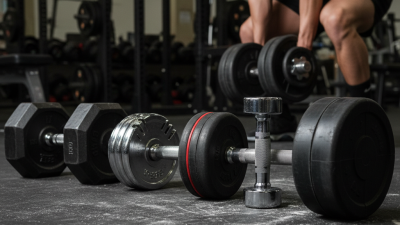
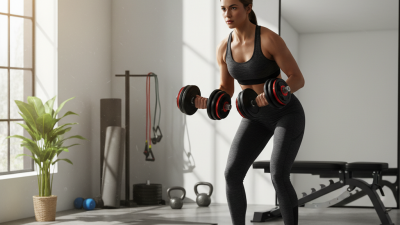
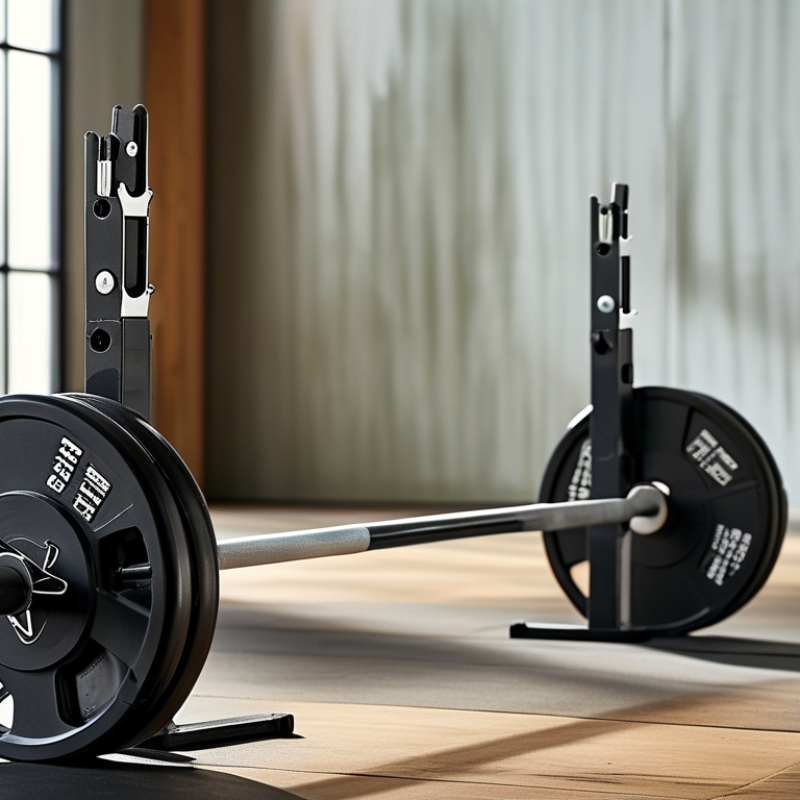
An adjustable barbell is a versatile fitness tool. It includes removable weights that allow users to customize their workouts easily. This barbell can adapt to different exercises and fitness levels, making it suitable for both beginners and seasoned athletes. According to the International Health, Racquet & Sportsclub Association (IHRSA), about 67% of gym-goers prefer multi-functional equipment. Adjustable barbells fit this preference well.
When choosing an adjustable barbell, consider weight range and design. Many models offer a range from 5 to 50 pounds. However, some might find that weight increments are too large for progressive training. This could hinder gradual improvement. A study published in the Journal of Sports Science indicates that smaller weight increments can lead to better results in strength training.
The design of the barbell is also crucial. Look for a comfortable grip and solid construction. A poorly designed handle can lead to discomfort. Additionally, some users report issues with weights that don’t secure well. This can be a safety concern. Understanding these factors can enhance workout effectiveness and safety during exercise routines.
Key Features of Adjustable Barbells: Weight Range and Construction Materials
Adjustable barbells offer versatility in weight training, allowing users to customize their workouts. When choosing one, consider key features such as weight range and construction materials. The weight range defines how much you can lift. It can vary significantly, from 10 to 100 pounds or more. Picking a suitable range is essential. If you're a beginner, lighter sets may suffice. For advanced lifters, heavier options provide more challenges.
Construction materials impact durability and usability. Steel is a common choice for main components due to its strength. Some brands use plastic for weight plates, which is lightweight but less durable. Be wary of this trade-off. The grip style also matters. Textured handles provide better control during workouts. A poor grip can lead to accidents or injuries.
Evaluating your training style is crucial. Not every adjustable barbell fits all users. Some may prefer a quick adjust feature. Others might favor a more traditional setting. Reflect on the space you have, too. Adjustable barbells can save room when not in use, but they still require careful storage. Each choice involves a compromise between weight, safety, and convenience.
What is an Adjustable Barbell and How to Choose One? - Key Features of Adjustable Barbells
| Feature |
Description |
| Weight Range |
Typically between 10-100 lbs, adjustable in increments. |
| Construction Materials |
Steel and composite materials for durability and safety. |
| Adjustment Mechanism |
Dial, pin, or lever system for quick weight changes. |
| Grip |
Ergonomic handles with non-slip surfaces for safety. |
| Size and Weight |
Compact design for easy storage; weight varies by model. |
| Price Range |
Typically ranges from $100 to $500 depending on features. |
| Warranty |
Varies; typically 1 to 5 years based on material quality. |
Factors to Consider When Choosing an Adjustable Barbell for Your Workout
When choosing an adjustable barbell, there are several critical factors to consider. First, the weight capacity is essential. Most adjustable barbells can support weights ranging from 5 to 100 pounds. If you are serious about strength training, check if it accommodates your maximum lift or if you need to invest more.
Comfort and grip are also crucial. Look for a barbell with a textured surface. This ensures that it won’t slip during workouts. Reports indicate that nearly 30% of injuries occur because of poor grip. Hence, selecting a bar with ergonomic design plays a significant role in safety.
Tip: Look for a barbell with a secure locking mechanism. If the weights are not firmly attached, they can slip, causing injury.
Another factor is the material of the barbell. Steel is commonly used, as it is durable and supports heavy weights. Aluminum options are lighter but may not withstand higher lifting sessions. The finish can influence grip and rust resistance. Regular maintenance can extend the life of your equipment.
Tip: Read user reviews and forums for feedback on durability. Real user experiences often reveal hidden flaws or exceptional features.
Comparing Popular Brands: Performance Metrics and Customer Reviews
When choosing an adjustable barbell, performance metrics and customer reviews play a crucial role. Many users report varying experiences based on their lifting needs and preferences. Some barbells excel in durability, while others focus on ease of adjustment. It’s essential to evaluate which performance features matter most to you.
Customer reviews offer insight into real-world performance. Users often highlight how comfortable the grip feels during heavy lifts. In contrast, some mention issues with weight stability or difficulty in changing weights quickly. Pay attention to the reviews that discuss these specifics.
Tips: Test weight adjustments personally before buying. You could also ask for recommendations from fellow gym-goers. Look for brands that allow easy returns in case the barbell doesn’t meet your expectations. Flexibility in weight range and locking mechanisms is important. Check user experiences with these features.
Researching various brands will help you make an informed decision. Keep an open mind about the barbell that fits your budget and needs. Take time to reflect on what features enhance your workouts, rather than just focusing on brand reputation.
Safety Tips for Using Adjustable Barbells Effectively and Responsibly
Using adjustable barbells can be both effective and safe, but proper techniques are crucial. According to a report by the National Strength and Conditioning Association, improper lifting techniques can lead to injuries for about 25% of weightlifters. This suggests that form is equally as important as the equipment used.
Before lifting, ensure that weights are securely fastened. Loose plates can create instability and lead to accidents. A sudden drop can cause serious injuries to yourself and others nearby. It’s essential to assess your strength level honestly. Overexertion is common, and pushing beyond ability often leads to issues. Focusing on gradual progression can yield better long-term results.
Maintaining a clean workout area is frequently overlooked. Clutter can cause trips that disrupt focus. Additionally, balancing workouts with proper rest is vital. The American Academy of Orthopaedic Surgeons advises against frequent heavy lifting, as this can compromise recovery time. Listening to your body is key. If you feel discomfort or fatigue, it may be time to reevaluate your routine. Seeking advice from a certified trainer can also enhance safety and effectiveness in your workouts.