Leave Your Message

Heavy Kettlebell Benefits Tips for Beginners and Experts?

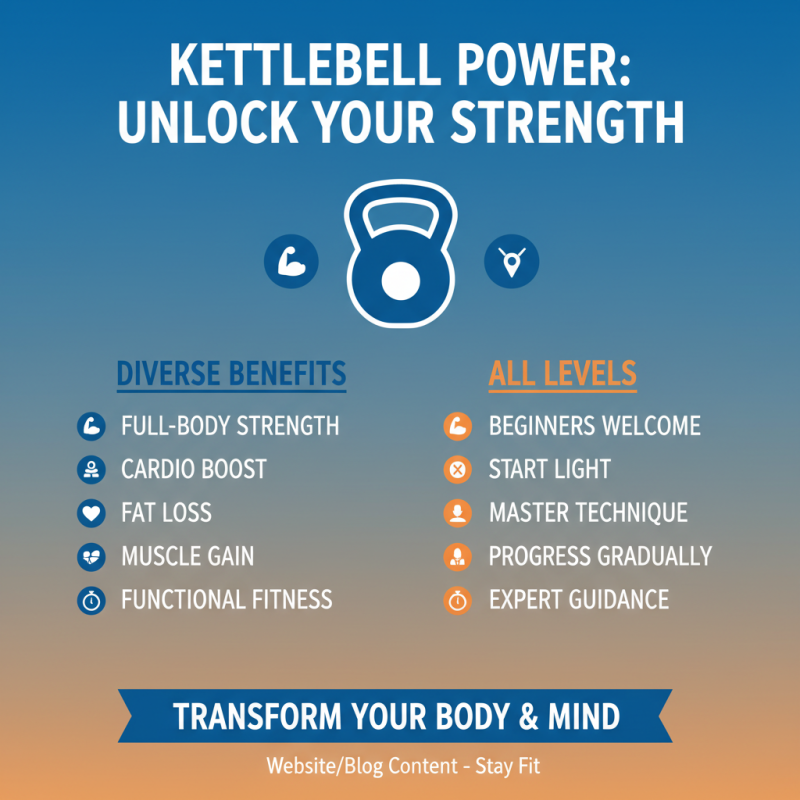
Heavy Kettlebell training has gained popularity among fitness enthusiasts for good reasons. It brings diverse benefits to both beginners and experts. The weight offers unique challenges that engage various muscle groups. This makes workouts effective and efficient.

For beginners, Heavy Kettlebell can feel intimidating. Gripping a heavy weight may cause hesitation. However, starting with manageable weights is key. Gradually increasing weight builds strength and confidence. Beginners should focus on form to avoid injuries. Even a simple swing can feel daunting.

Experts, on the other hand, may overlook the fundamentals. Relying solely on heavy weights can lead to bad habits. Mixing in lighter weights can refine technique and enhance agility. Reflecting on training routines ensures progress continues. Heavy Kettlebell training is a journey, not a race. Embracing both challenges and victories is essential for growth.

Heavy Kettlebell Benefits Tips for Beginners and Experts?

Heavy Kettlebell Training: An Overview of Benefits for All Levels

Heavy Kettlebell Benefits Tips for Beginners and Experts?

Heavy kettlebell training offers diverse benefits for all fitness levels. Beginners may find the initial challenge daunting. The weight can feel overwhelming. Yet, the right approach and proper guidance make a significant difference. Starting with lighter kettlebells helps develop technique and form. This foundation is crucial for safety and effectiveness.

Experienced lifters can also enjoy heavy kettlebell workouts. They can push limits and embrace versatility. Heavy kettlebell swings, snatches, and cleans enhance strength and endurance. However, even experts must listen to their bodies. Fatigue and improper form can lead to injuries. Balancing intensity with recovery is vital. With progress comes a need for reflection and adjustment. Every session should feel purposeful, not just a routine. Identifying weaknesses can amplify training results.

Key Considerations for Beginners Starting Heavy Kettlebell Workouts

Starting heavy kettlebell workouts can be daunting for beginners. The weight can feel intimidating. Many fear injury or struggle with technique. It's essential to learn proper form first. A strong foundation prevents regression and injury. Focus on your grip and stance. The bell should rest comfortably against your forearm during lifts.

Beginners often rush into heavier weights. This can lead to frustration and burnout. Listen to your body and progress slowly. It's not bad to use lighter kettlebells at first. Mastering the swing, squat, and press takes time. Practice builds confidence and strength. Even seasoned lifters make mistakes.

Reflect on lifts to improve fluidity and coordination. Every workout carries lessons. Embrace the challenge and enjoy the journey.

Advanced Techniques: Maximizing Heavy Kettlebell Efficiency

Heavy kettlebell training offers unique benefits for both beginners and seasoned athletes. To maximize efficiency with heavy kettlebells, one must focus on proper form and varied techniques. Reports indicate that strength training can improve overall muscle mass and metabolic rate. A study published in the "Journal of Strength and Conditioning Research" highlighted that kettlebell workouts can boost strength by up to 70% in novice lifters over three months.

Advanced techniques like the Turkish get-up and double kettlebell swings can significantly enhance muscular endurance. These movements require stability and coordination, which are crucial for performance. Many individuals struggle with proper alignment, often sacrificing form for weight. Maintaining a controlled pace is vital. Swings should be explosive yet deliberate. Aiming for 15-20 reps, with short rest periods, can create an effective circuit.

Fatigue can hinder progress, making it essential to listen to your body. Ignoring signs of overexertion may lead to poor performance or injury. Integrating recovery days in between heavy sessions ensures long-term gains. Research suggests that training three times a week allows for optimal muscle recovery. Everyone has different limits; learning to push them safely will lead to better results.

Heavy Kettlebell Benefits Tips for Beginners and Experts
Benefit Description Recommendations for Beginners Advanced Techniques
Improved Strength Heavy kettlebell workouts enhance muscle strength and endurance. Start with lighter weights and focus on form. Incorporate complex movements like Turkish get-ups.
Increased Core Stability Engages core muscles effectively during various lifts. Practice basic swings and deadlifts for core engagement. Use challenging weight to perform single-arm kettlebell exercises.
Enhanced Cardiovascular Health High-intensity kettlebell workouts improve heart health. Incorporate kettlebell circuits into your cardio routine. Perform high-rep, explosive moves to increase heart rate.
Flexibility and Mobility Promotes greater range of motion and flexibility. Incorporate dynamic stretches before workouts. Add mobility drills with the kettlebell between sets.
Functional Strength Improves real-life strength for daily activities. Focus on functional movement patterns. Incorporate unilaterals for balanced strength building.

Common Mistakes to Avoid When Using Heavy Kettlebells

Using heavy kettlebells can elevate your strength training game but can also lead to common mistakes. One of the most frequent errors is poor form. A 2020 study from the Journal of Strength and Conditioning Research highlights that improper technique increases injury risk. Beginners often sacrifice form for heavier weights, which can lead to strain or injury. It’s crucial to prioritize correct posture and movement patterns.

Another mistake involves neglecting warm-ups. Many lifters jump straight into lifting heavy kettlebells without adequately preparing their bodies. Research shows that dynamic warm-ups can reduce injury rates by up to 30%. Take the time to engage in mobility exercises. This preparation not only enhances performance but also minimizes the risk of setbacks.

**Tips:** Start with lighter weights to master your technique. Focus on engaging your core and keeping your back straight. Don’t rush into heavy lifts; gradually increase your weight as your confidence builds. Also, listen to your body. If something feels off, don’t hesitate to stop. Reflect on your progress regularly. This self-examination will help you avoid repeating mistakes and foster your growth as a lifter.

Heavy Kettlebell Benefits: Progress Tracking

This chart illustrates the various benefits of using heavy kettlebells, rated on a scale from 1 to 10. As beginners and experts alike engage in kettlebell training, understanding these benefits can help in setting realistic goals and measuring progress effectively.

Safety Tips for Heavy Kettlebell Exercises: Staying Injury-Free

Heavy Kettlebell Benefits Tips for Beginners and Experts?

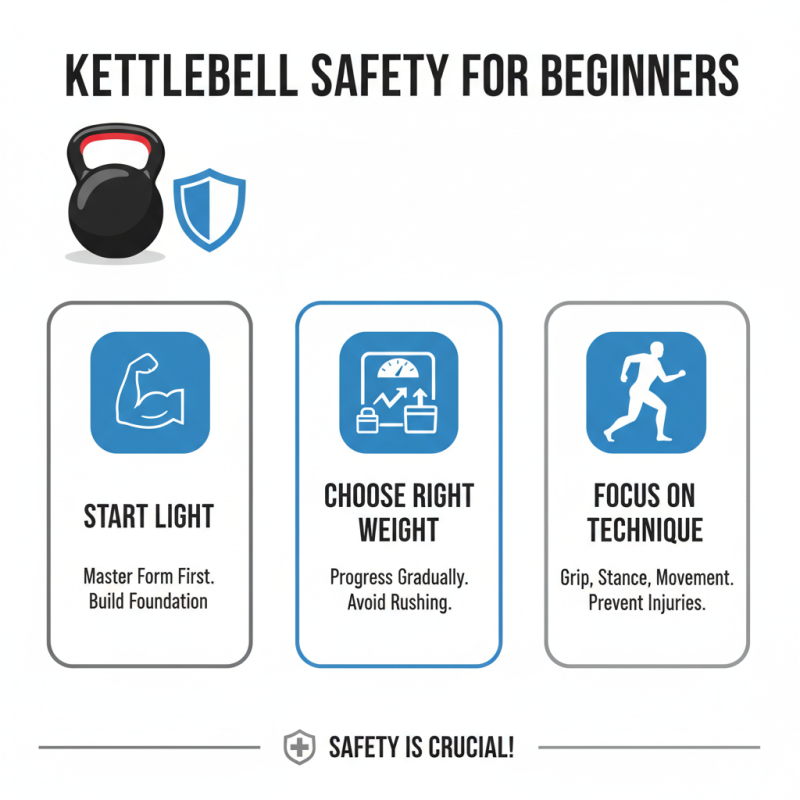
When starting heavy kettlebell exercises, safety is crucial. Many beginners jump in too quickly, risking injury. It's important to choose the right weight. Start lighter to master form. This will build a solid foundation. Focus on your grip, stance, and movement patterns. Proper technique is key to avoiding strains and sprains.

Listen to your body during workouts. Fatigue can lead to careless mistakes. If something feels off, take a break. Rest is just as important as training. Don't rush progress; everyone develops at their own pace. For experts, even small adjustments can prevent injuries. Regularly assess your form and weights. Heavy lifting requires awareness and caution.