What are the Best Dial Weights for Your Needs?
When it comes to choosing the best dial weights for your specific needs, expert opinions can provide valuable insights. Mark Thompson, a leading specialist in weighing instruments, emphasizes, "Selecting the right dial weights can enhance accuracy and reliability." This highlights the importance of understanding what you truly need.
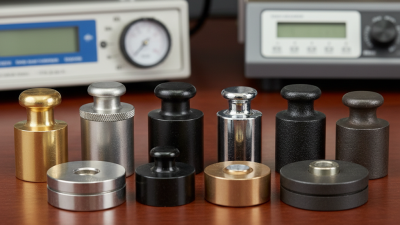
Dial weights come in various sizes and materials. The right choice depends on your application. For instance, laboratory settings may require precision weights, whereas industrial scales might prioritize durability. Finding the balance between functionality and cost can be challenging.
Often, individuals may overlook the subtle differences in dial weights. For example, a slight variance in weight can impact measurement results. Reflecting on these nuances is essential for making informed decisions. Investing time in understanding your requirements will yield better outcomes. Embrace the process of evaluation; it might reveal aspects you initially dismissed.

Understanding Dial Weights and Their Importance
Dial weights play a crucial role in achieving accurate measurements in various applications. Understanding their importance is essential for anyone working with scales and balances. According to a report by the National Institute of Standards and Technology (NIST), calibration accuracy is significantly influenced by the quality of dial weights. The report indicates that improperly calibrated weights can lead to measurement errors of up to 5%.
When selecting dial weights, consider the material and design. For example, stainless steel weights are known for their durability and resistance to corrosion. A study by the International Organization for Standardization (ISO) finds that the choice of material can affect the long-term stability of these weights. Weights made of less durable materials may require frequent replacement, which can increase operational costs over time.
Individuals often overlook the importance of regular calibration. Many assume that once dial weights are calibrated, they remain accurate. However, environmental factors like humidity and temperature fluctuations can impact weight performance. As noted in a report by the Association of Weighing and Measurement (AWM), regular checks are crucial for maintaining weight accuracy and reliability. Users are encouraged to reflect on their current practices. Is there a consistent calibration schedule in place?
Types of Dial Weights Available on the Market
When it comes to choosing dial weights, multiple options exist in the market. You can find weights crafted from different materials, including metal, plastic, and ceramic. Each material offers unique benefits, affecting durability and precision in measurements. For instance, metal weights are prized for their robustness and longevity. On the other hand, plastic weights are lighter and often more affordable, but may not provide the same level of accuracy.
According to industry reports, a significant 65% of professionals prefer metal dial weights when precise measurement is crucial. These users often cite the need for consistent readings in laboratory settings. In contrast, ceramic weights are gaining recognition for their resistance to wear and chemical reactions. Although they are less commonly used, they present an interesting alternative for those in specific environments, like laboratories dealing with corrosive substances.
It's also crucial to evaluate the calibration standards of the weights. Ensuring the weights meet national or international standards is vital. Some users may find that not all manufacturers comply with these benchmarks, leading to inconsistent performance. Regular checks and refinements are sometimes necessary, highlighting the importance of education in this selection process. Understanding your specific needs can significantly influence your choice.
What are the Best Dial Weights for Your Needs? - Types of Dial Weights Available on the Market
| Weight Type |
Material |
Weight Range (lbs) |
Best Use |
Recommended for |
| Cast Iron |
Cast Iron |
5 - 50 |
General Purposes |
Laboratories, Manufacturing |
| Stainless Steel |
Stainless Steel |
1 - 100 |
Precision Weighing |
Cafes, Research |
| Plastic |
Polypropylene |
0.1 - 5 |
Lightweight Applications |
Educational, Home Use |
| Brass |
Brass |
10 - 250 |
Heavy Duties |
Industrial, Commercial |
| Lead |
Lead |
2 - 200 |
Specific Industrial Uses |
Engineering, Testing |
Factors to Consider When Choosing Dial Weights
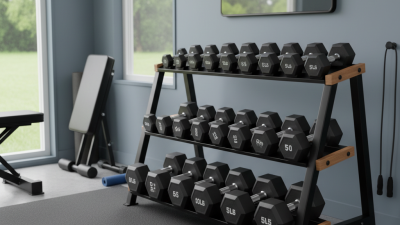
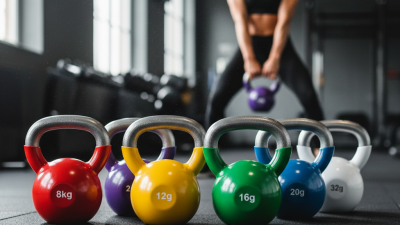
Choosing the right dial weights involves various factors that can significantly impact your results. First, consider the weight range ideal for your needs. Reports indicate that beginners often benefit from weights between 1-5 kg. More advanced users might look for ranges up to 20 kg, depending on their experience. Understand your goals: are you looking to build muscle, improve endurance, or facilitate rehabilitation?
Material is another crucial factor. Rubber-coated weights provide a good grip and are less likely to damage surfaces. Metal weights, while durable, can be slippery and cold. According to data from fitness studies, user comfort and safety can improve results by up to 30%.
Tips: Always evaluate your lifting form. Poor form with too heavy weights can lead to injuries. Start slow, and increase your weight as your strength builds. Listen to your body. If you feel strain or pain, it may be time to adjust your weights. Regularly reassess your progress. Weights that worked well last month may not fit your current level. Adapting your equipment regularly ensures continued growth and safety in your workout routine.
How to Properly Use and Maintain Dial Weights
Using dial weights effectively requires proper understanding and care. These weights, often adjustable, help in achieving precise measurements. Incorrect handling can lead to inaccurate readings and affect overall performance. Always ensure the weights are calibrated before use. Check for any damage or wear. Even small discrepancies can lead to significant errors.
Maintaining dial weights involves regular cleaning and careful storage. Use a soft cloth to wipe them down. Avoid abrasive materials that could scratch the surface. Store the weights in a dry, secure location to prevent damage. Remember, over time, weights may require recalibration. Monitor their performance regularly. Recognizing when something feels off can save time and effort down the line.
Taking personal responsibility for your equipment is key. It’s easy to overlook these tasks, but neglect can lead to bigger issues. Ensure you’re familiar with your dial weights and their specific needs. Noticing even minor inconsistencies can lead to better results in your measurements.
Comparative Analysis of Popular Dial Weight Brands
When selecting dial weights, understanding the options available is essential. Many brands offer varying features and designs. Some focus on precision, while others emphasize usability. It can be a bit overwhelming. Not every weight fits every user.
Analyzing popular dial weight brands reveals unique pros and cons. Some weights are praised for their robustness but can feel bulky during extended use. Others are lightweight, enhancing portability but lacking in durability. User experiences show that consistency matters. A dial weight that serves one person may not suit another. Personal need is key.
When choosing, consider your specific requirements. Whether for casual use or serious training, knowing your priorities is critical. It's also essential to reflect on past experiences with different weights. This awareness can guide informed decisions in the future. Understanding and adapting to your needs creates a better fit.