2026 Best Heavy Dumbbells for Effective Home Workouts?
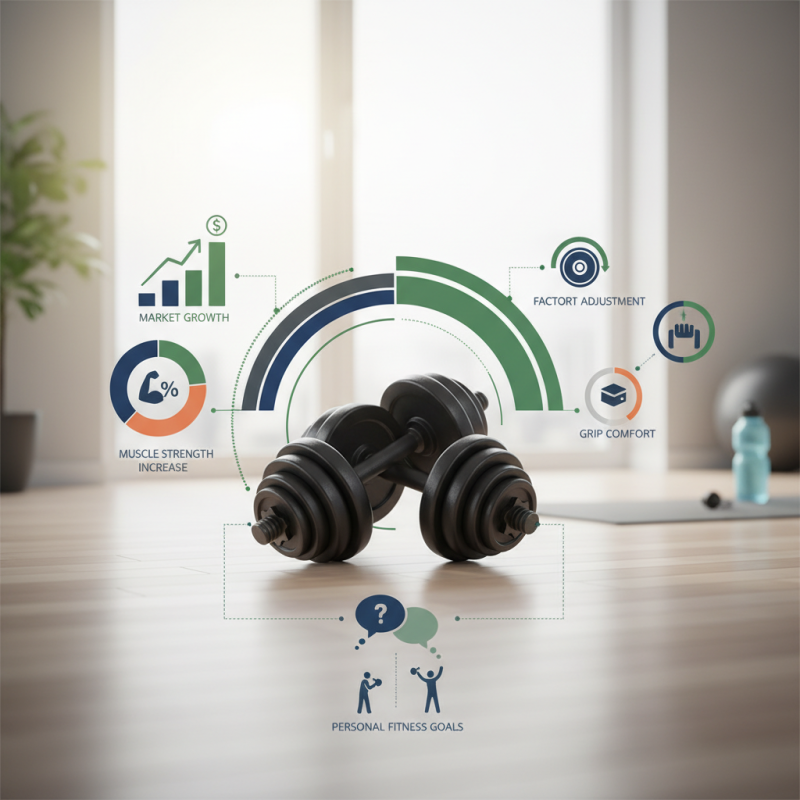
In recent years, home workouts have surged in popularity, especially with the rise of remote lifestyles. Heavy dumbbells have become essential tools for effective strength training at home. A recent industry report by IBISWorld indicates that the home fitness equipment market is projected to reach $3 billion by 2026. This statistic underscores a growing commitment to fitness among consumers.
Heavy dumbbells offer a versatile workout solution. They can target multiple muscle groups, improving strength and endurance. Research from the American Council on Exercise (ACE) suggests that dumbbell training can increase muscle strength by 24% over a 12-week period. However, not all heavy dumbbells are created equal. Factors like weight adjustment, grip comfort, and space efficiency must be considered.
Investing in heavy dumbbells may require reflection on personal fitness goals. Users often overlook the importance of selecting the right weight and style. Finding the optimal pair can feel daunting, yet it is vital for achieving desired results. As we explore the best options for 2026, examining both established and emerging brands will provide greater insight.
What to Consider When Choosing Heavy Dumbbells for Home Workouts
When choosing heavy dumbbells for home workouts, several factors come into play. The right weight is crucial. Select weights that challenge you but still allow for proper form. This will help prevent injuries and ensure effective workouts. Consider the range of weights available. Adjustable dumbbells might save space and offer versatility. They let you increase resistance as your strength improves.
Grip matters, too. A comfortable grip will enhance your workout efficiency. Look for dumbbells with textured handles. This will help you maintain control during lifts. Reflect on your workout space. Heavy dumbbells need room for safe movement. Consider your flooring; rubber mats can protect surfaces and minimize noise.
Lastly, assess your fitness goals. Aim for dumbbells that align with your objectives. If strength building is your priority, opt for heavier weights. If endurance is the goal, a lighter set might be more suitable. Keep your limitations in mind. Not everyone progresses at the same rate. Remember to adjust your approach as you learn about your body.
Top Features of the Best Heavy Dumbbells for 2026
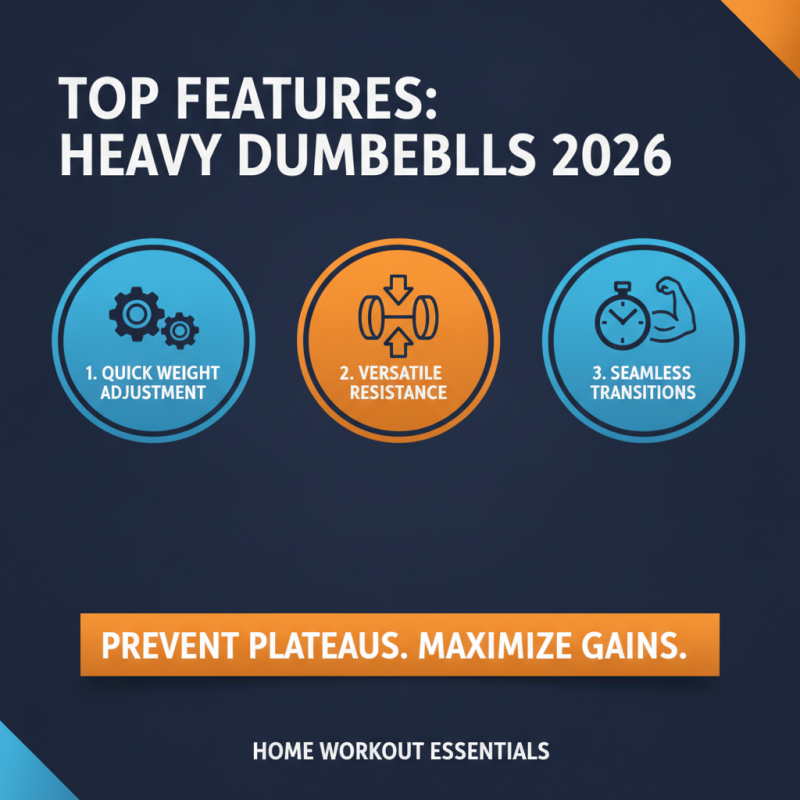
When choosing heavy dumbbells for your home workouts, several key features should be a priority. Firstly, weight adjustment is crucial. Being able to easily increase or decrease weights prevents plateaus and keeps workouts challenging. Models with adjustable settings allow for versatility. Consider how quickly you can switch weights during routines.
Another important aspect is the grip design. Foam or rubberized grips provide comfort and prevent slipping. This encourages better control, especially during complex movements. Users often overlook this, but a secure grip can enhance performance. Additionally, dumbbells with a well-balanced distribution make lifting more stable and efficient.
Durability is essential, too. Look for materials that withstand wear and tear. Some dumbbells may chip or degrade over time. Investing in strong, resilient options ensures they last longer. Weight storage is also a factor. Compact designs help save space in smaller areas. This functionality adds to the overall appeal of training at home. Think critically about what features matter most to you before making a decision.
Comparison of Popular Heavy Dumbbells for Home Use
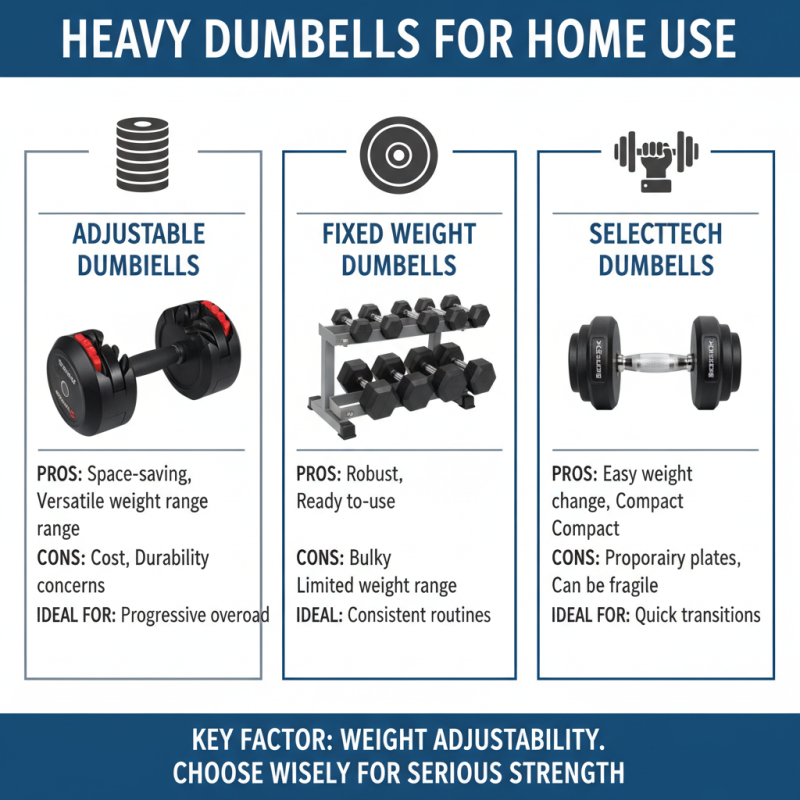
When choosing heavy dumbbells for home workouts, it's essential to compare various options. Not all dumbbells are created equal, and features can vary significantly. Weight adjustability is a crucial factor. Some dumbbells allow users to change the weight easily, while others come in fixed weights. If you’re serious about strength training, consider how each option fits your needs.
The material of the dumbbells also matters. Some are made of metal, while others are rubber-coated or even plastic. Each has its pros and cons. Metal can be more durable but may not be as comfortable for prolonged use. In contrast, rubber-coated options are often easier on the hands, especially when lifting heavy weights.
In addition to functionality, you should think about space. Not everyone has a large workout area. Consider models that are compact or stackable. This can make a significant difference in a small space. Lastly, many users report that the grip quality can be a game-changer. A good grip helps maintain safety during workouts. Small details like these can impact the effectiveness of your training sessions.
Recommended Heavy Dumbbells Based on User Reviews and Ratings
Choosing the right heavy dumbbells can significantly enhance your home workouts. User reviews reveal insights into popular options. Many find that adjustable weights provide versatility. This allows for easier transitions between exercises. Some users appreciate compact designs that save space. Others prefer traditional fixed weights for stability.
Feedback often highlights comfort features. Rubberized grips are a common favorite among users. They enhance safety during intense sessions. However, some weight lifters expressed concerns about durability. A few products showed wear after a few months. It's essential to balance your needs with quality.
Consider your fitness level when selecting dumbbells. Some users noted that too much weight can lead to improper form. Starting lighter can help build strength safely. Reflect on your goals. Do you seek to build muscle or increase endurance? Your choice of dumbbells should reflect your objectives. Taking these factors into account can lead to more effective home workouts.
2026 Best Heavy Dumbbells for Effective Home Workouts
| Dumbbell Model |
Weight Range |
Material |
User Rating |
Price ($) |
| Model A |
5-50 lbs |
Steel |
4.8/5 |
149.99 |
| Model B |
10-60 lbs |
Iron |
4.7/5 |
139.99 |
| Model C |
15-70 lbs |
Rubber Coated |
4.9/5 |
179.99 |
| Model D |
20-80 lbs |
Cast Iron |
4.6/5 |
159.99 |
| Model E |
25-90 lbs |
PVC Coated |
4.5/5 |
189.99 |
Tips for Incorporating Heavy Dumbbells into Your Home Workout Routine
Incorporating heavy dumbbells into your home workout routine can enhance strength and endurance. Research shows strength training improves overall health and can reduce the risk of chronic diseases. According to a 2022 report by the American College of Sports Medicine, individuals who lift weights regularly gain substantial benefits, such as increased muscle mass and better metabolic function.
Start by establishing a clear workout plan. Focus on compound exercises like squats and deadlifts. These movements engage multiple muscle groups, maximizing efficiency. Aim for at least two sessions per week, with rest days in between to allow recovery. Just lifting heavy can lead to injuries if not managed properly. Monitor your form and avoid overworking specific muscle groups.
Progressive overload is key. Gradually increase weights to challenge your muscles. However, listen to your body; discomfort is acceptable, but pain is not. It’s important to have a balance between pushing limits and ensuring safety. Combine dumbbell exercises with cardiovascular activities for well-rounded fitness. Even if results take time, consistency will yield improvements. Embrace the process and reflect on your progress regularly.