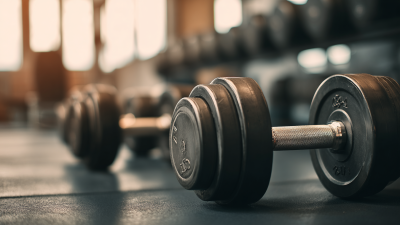
What is the Best Weight for Heavy Dumbbells for Strength Training?
When it comes to strength training, finding the right weight for heavy dumbbells is crucial. Many athletes often wonder, "What is the optimal weight for heavy dumbbells?" According to Dr. Michael Stanford, a leading expert in strength training, “The right weight varies for everyone. It should challenge you but still maintain proper form.” This statement encapsulates the essence of effective weight training.
Heavy dumbbells serve as a versatile tool for building strength. They can enhance various exercises, from curls to lunges. Choosing the correct weight should depend on individual strength levels and training goals. Many beginners often select weights that are too light, leading to minimal progress. Others may hesitate to lift heavier weights, fearing injury.
Engaging with heavy dumbbells can lead to great gains, but improper selection can also hinder development. It's important to start with manageable weights and gradually increase. Regular assessments of your strength allow for adjustments. Always remember, the right weight is not fixed; it evolves with your training journey.

What is Strength Training and Its Benefits for Muscular Development
Strength training is a crucial component for enhancing muscular development. It involves using resistance to stimulate muscle growth. Research shows that strength training can lead to significant improvements in muscle size and overall strength. According to a study published in the Journal of Strength and Conditioning Research, individuals engaging in regular strength training can gain 5-10% muscle mass over a few months.
The benefits of strength training extend beyond just muscle size. It can improve bone density, boost metabolism, and enhance overall physical performance. A report from the American College of Sports Medicine highlights that strength training at least two days a week can result in reduced risk of injuries and chronic diseases. This consistent training helps develop functional strength, which improves day-to-day activities.
Despite these benefits, some individuals may find it challenging to maintain a routine. Motivation can wane, and progress may plateau. This is common and highlights the importance of practices like varied training techniques. Implementing periodization can also help break through these barriers, ensuring consistent growth and preventing burnout. Regularly assessing progress allows for adjustments if needed.
Factors to Consider When Choosing Heavy Dumbbells for Strength Training
When choosing heavy dumbbells for strength training, consider your fitness level.
Beginners might start with lighter weights, while experienced lifters can handle more.
Assess what feels challenging yet manageable. Proper form is crucial. Heavy weights without good technique can lead to injury.
Think about the types of exercises you'll be doing. Dumbbells that suit compound movements may differ from those for isolation work.
Adjustable weights can provide flexibility. This allows you to increase load as your strength improves.
Tips: Pay attention to your body's response. Overtraining can hinder progress. It’s okay to scale back.
Also, consider your training environment. If space is limited, compact or adjustable dumbbells might be the best choice.
Always prioritize safety and listen to your body for the best outcomes.
Recommended Dumbbell Weights Based on Fitness Levels and Goals
When determining the best weights for heavy dumbbells in strength training, it's crucial to consider your fitness level and specific goals. According to a study published by the American College of Sports Medicine, beginners typically benefit from using weights that constitute 50-60% of their one-repetition maximum (1RM). This approach allows for proper form while building strength progressively. For intermediate lifters, increasing this to 70-80% of 1RM can help enhance muscle hypertrophy and strength.
Beyond just weight selection, the volume of your training plays a key role in achieving your objectives. Research indicates that performing 3-5 sets of 6-12 repetitions is ideal for building muscle. However, this must be adapted based on personal experience and physical response. Over time, you may find that certain weights no longer challenge you adequately. Adjusting your weights regularly and reflecting on your progress is essential for continued growth.
For advanced athletes, utilizing 80-90% of 1RM is recommended, but it's crucial to ensure proper recovery strategies are in place. Heavy lifting can take a toll on the body. Tracking both your weight and your body's feedback can provide valuable insights into your training effectiveness. It is important to remember that muscle growth and strength require a delicate balance of stress and recovery.
Common Resistance Ranges and Their Impact on Muscle Growth
Resistance training is crucial for building muscle. The weight you choose affects your strength gains. Experts suggest varying your resistance range to stimulate different muscle fibers. Typically, lifting heavy weights for fewer reps targets strength. This can lead to increased muscle size and density.
Moderate weight with higher reps also plays a role. It enhances endurance and can promote hypertrophy. Aim for a balance between the two. Many lifters underestimate the effectiveness of lighter weights. Failing to include them can limit overall progress. Listening to your body is key.
Individual responses to different weights vary widely. One person might thrive on heavier lifts. Another might find more success with moderate resistance. This variability highlights the importance of experimentation. You might need to adjust weights over time. Don't shy away from reflecting on your training approach. It’s all part of the journey toward optimal muscle growth and strength.
The Role of Progressive Overload in Strength Training with Dumbbells
Progressive overload is crucial for maximizing strength gains with dumbbells. This principle involves gradually increasing the weight, reps, or intensity of your workouts. When you challenge your muscles beyond their current capabilities, they adapt and grow stronger over time. For instance, if you routinely lift the same heavy dumbbells, your progress may plateau. Small increments in weight can reignite growth.
Planning your routine with deliberate variations is vital. Adjustments could involve changing the number of sets or rest periods. Even switching the tempo of your lifts can make a difference. However, many people underestimate the importance of these modifications. They often fear heavier weights or fall into a comfortable routine. This can create a barrier to reaching their potential.
Listening to your body is essential too. If you feel fatigued or experience discomfort, reassess your approach. Progress is not always linear; it can be a trial-and-error journey. Adjust your methods and remember that strength training is as much about mental resilience as it is about physical effort. Embrace the process, accept setbacks, and continue to push forward.
What is the Best Weight for Heavy Dumbbells for Strength Training?
| Dumbbell Weight (lbs) |
Recommended Repetitions |
Experience Level |
Progressive Overload Strategy |
| 20 lbs |
12-15 reps |
Beginner |
Increase weight every 2 weeks |
| 35 lbs |
8-10 reps |
Intermediate |
Increase weight or reps weekly |
| 50 lbs |
6-8 reps |
Advanced |
Increase weight every session |
| 70 lbs |
4-6 reps |
Elite |
Focus on max strength, adjust as needed |