How to Choose the Right Adjustable Barbell for Your Home Gym?
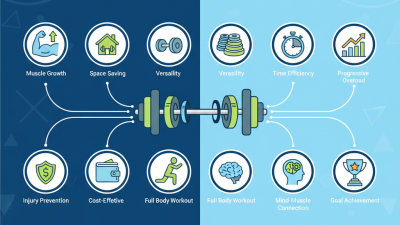
Choosing the right Adjustable Barbell for your home gym can be a daunting task. Recent industry reports show that home fitness equipment sales surged 170% in 2020. Many people now prioritize convenience and personalization in their workout routines. An Adjustable Barbell offers flexibility, catering to different strength levels and exercise styles.
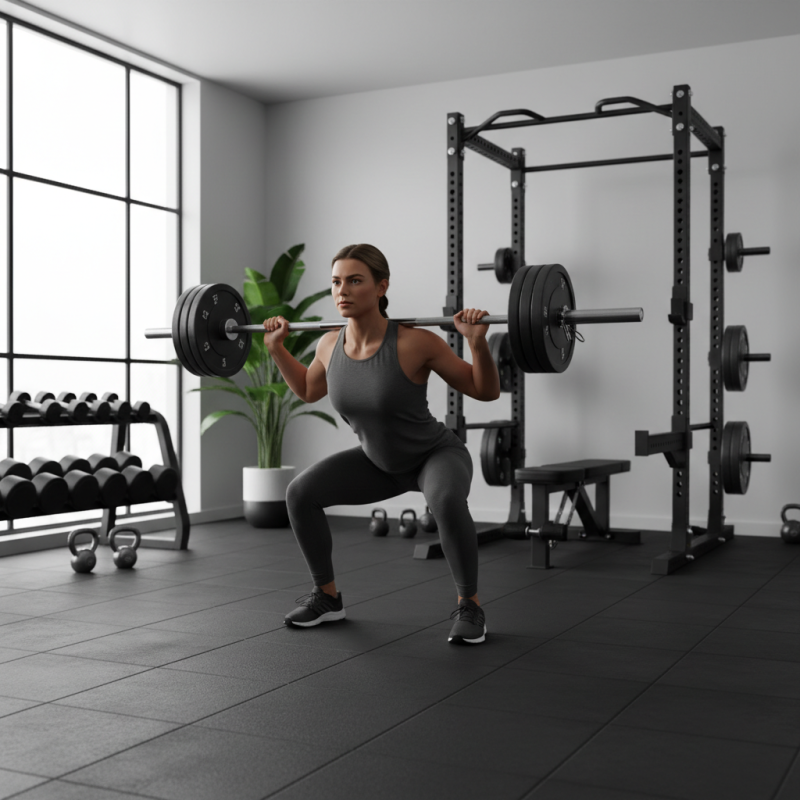
When selecting an Adjustable Barbell, consider weight range, build quality, and adjustability mechanisms. A report by the National Academy of Sports Medicine indicates that improper equipment can lead to injuries. Thus, the right choice is critical for safety and effectiveness. Visualizing the type of workouts planned helps inform your decision. Imagine performing deadlifts, squats, and presses with a barbell tailored to your needs.
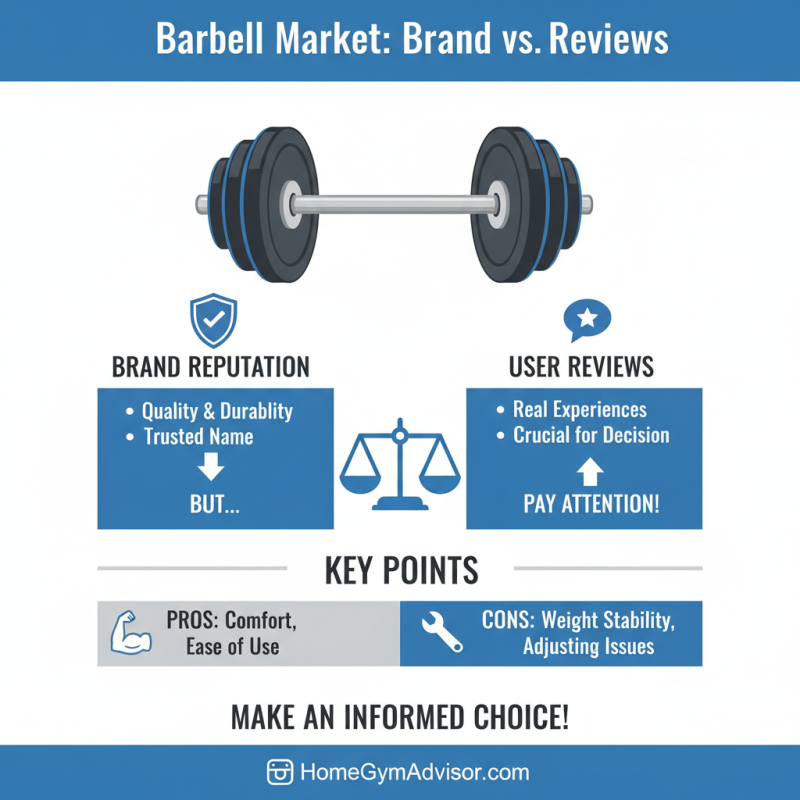
Reflecting on user reviews can also help. Many users express frustration over poorly designed features. Issues like cumbersome adjustments can disrupt flow during workouts. Ultimately, investing in a quality Adjustable Barbell is essential. It should fit seamlessly into both your space and fitness goals.
Understanding Adjustable Barbells: Types and Features to Consider
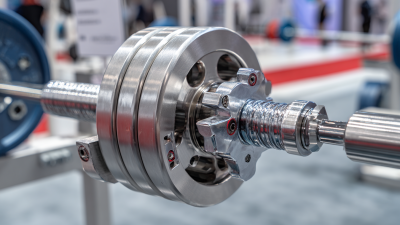
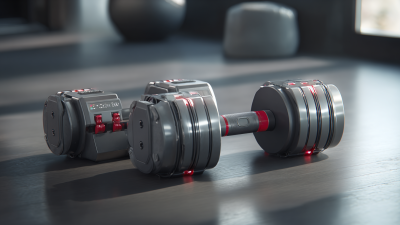
When it comes to adjustable barbells, understanding different types and features is crucial. Adjustable barbells come in various styles. Some have a simple pinlock mechanism. Others might have a more complex locking system. Each style influences usability and safety. Look for a barbell that matches your strength level. A heavier bar may not suit beginners. The right weight range offers more versatility.
Tips: Always test the weight before lifting. This ensures it feels comfortable. Consider the grip style too. Some have textured surfaces for better hold. A good grip enhances performance. Remember that the bar length can vary. Choose one that fits well in your workout space. A longer bar may not be suitable for small areas.
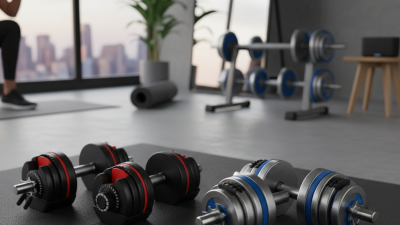
Weight plates are another factor. They can be fixed or removable. Removable plates allow for quicker changes. However, fixed plates can save space. Decide what works for you. Check if the barbell fits standard weight plates. Compatibility matters. Every detail counts when choosing the perfect barbell.
Assessing Weight Capacity and Adjustability for Home Workouts
When choosing an adjustable barbell for your home gym, consider the weight capacity and adjustability. Think about the exercises you plan to do. Heavy lifters need bars with higher weight limits. If you’re focused on lighter, more varied workouts, a lower capacity may suffice.
Tip: Consider your current strength level. If you're starting, a lighter capacity can help you train safely. Always choose a barbell that allows you to increase weight as you progress. Look for options with clear markings for adjustments. A well-marked barbell can save time during your workouts.
Pay close attention to the adjustability range. Some barbells limit how much you can change the weight. This could stifle your workout progression. Measure your space to ensure your adjustable barbell fits comfortably. Tight spaces can make lifting awkward and increase injury risk.
Tip: Regularly evaluate your barbell’s weight capacity. As you build strength, you may realize you need heavier weights. It’s essential to rethink your gear every few months. Your fitness journey will always evolve, just like your equipment needs.
How to Choose the Right Adjustable Barbell for Your Home Gym?
| Model |
Weight Capacity (lbs) |
Adjustability |
Length (inches) |
Material |
Price ($) |
| Adjustable Barbell A |
300 |
5 Positions |
50 |
Steel |
149.99 |
| Adjustable Barbell B |
250 |
7 Positions |
48 |
Aluminum |
129.99 |
| Adjustable Barbell C |
400 |
6 Positions |
52 |
Steel |
179.99 |
| Adjustable Barbell D |
350 |
5 Positions |
49 |
Steel |
159.99 |
Evaluating Build Quality: Materials and Durability of Adjustable Barbells
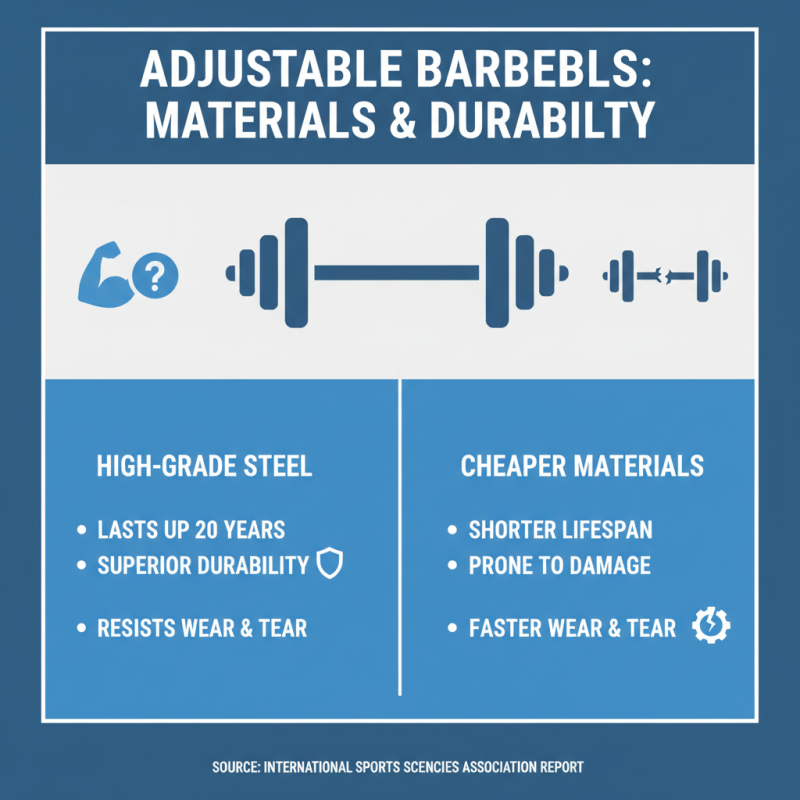
When evaluating adjustable barbells for your home gym, build quality is paramount. High-quality materials contribute to the durability and performance of your equipment. Steel and heavy-duty plastic are common in barbells. According to a report by the International Sports Sciences Association, barbells made from high-grade steel can last up to 20 years with proper care. Meanwhile, those made of cheaper materials often succumb to wear and tear much sooner.
Durability is not just about materials; it involves construction techniques as well. For instance, look for welded connections rather than bolts. Welded seams provide a more stable structure, reducing the risk of breakage during heavy lifts. A survey by the National Federation of Strength Training indicates that users often report dissatisfaction with barbells that don’t withstand rigorous use. Regular inspections can help identify wear in components, especially in adjustable mechanisms.
Weight capacity is another vital metric. A good adjustable barbell should handle from 200 to 300 pounds without bending or warping. However, many budget models struggle with this range. This can lead to safety issues over time. Buyers should question the limits of any product they consider. Not all barbells are created equal, and understanding these nuances can prevent future regret.
Budgeting for Your Home Gym: Price Ranges and Value for Adjustable Barbells
When budgeting for adjustable barbells, it’s crucial to consider various price ranges. A basic set may start around a couple hundred dollars. These options often provide durability but might lack advanced features. For those seeking more versatility, expect to invest more. High-end models can cost significantly more, especially if they include adjustable weights.
Do not rush into a purchase. Think about the included accessories and warranties. Sometimes, spending a bit more can save money in the long run. A well-constructed barbell can last years. You might also consider used equipment to save money. Just be sure to check for wear and tear.
Value for adjustable barbells goes beyond price. Think about how often you’ll use them. A more affordable option might seem appealing, but more expensive ones can offer better ergonomics. They can provide a more comfortable lifting experience. Weigh the cost against potential injuries from poorly made equipment. Ultimately, finding the right balance may require some trial and error.