How to Choose the Best Competition Kettlebells for Your Workout?
Choosing the right Competition Kettlebells can significantly enhance your workout experience. These kettlebells offer a unique design and are specifically crafted for athletes who engage in competitive training. Not all kettlebells are created equal, and making an informed decision can be challenging.
The weight, handle thickness, and material of the Competition Kettlebells are crucial factors. The handle should feel comfortable in your grip, allowing for fluid movements. The competition standard is usually a fixed weight for each size, which can be confusing for beginners. It’s easy to overlook the minor details that make a big difference.
Consider your fitness goals and personal preference when choosing. Training with the wrong kettlebell can lead to frustration. You might find that your technique suffers or that you struggle with your reps. Investing time in researching and testing different kettlebells will help. Understand that the right choice transforms your workout.
Factors to Consider When Selecting Competition Kettlebells
When selecting competition kettlebells, various factors must be considered.
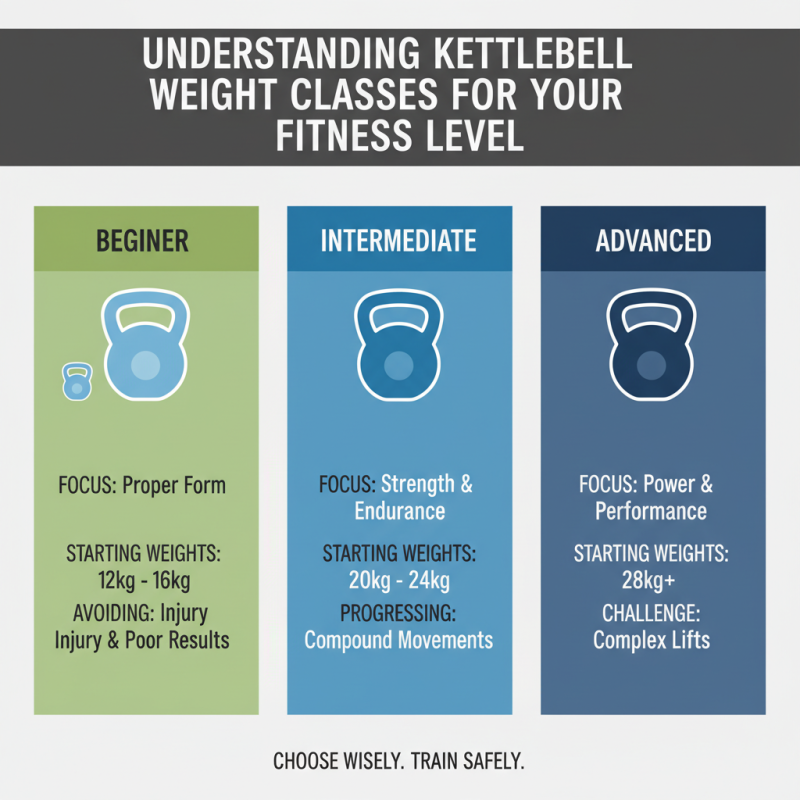
Weight is crucial. The International Kettlebell and Fitness Federation (IKFF) suggests starting with a weight that matches your strength level. For beginners, this is often around 8-12 kg. As you progress, increasing weight can be essential to challenge your muscles.
Another important factor is the handle. A well-designed handle ensures comfort and grip during workouts.
The diameter and coating matter significantly. Many competitive kettlebells have a handle diameter between 28-32 mm, providing a secure grip. However, if the grip feels uncomfortable, it can hinder your performance.
Materials also play a vital role. Most competition kettlebells are made of steel, which offers durability and consistency in shape. A consistent size across different weights allows for smoother transitions in various exercises. But while focusing on quality, it’s easy to overlook the need for proper technique. Practicing with the wrong form can lead to injuries, regardless of the quality of the kettlebell. Always prioritize safety as you choose the right competition kettlebell for your training.
Comparing Different Materials and Designs of Kettlebells
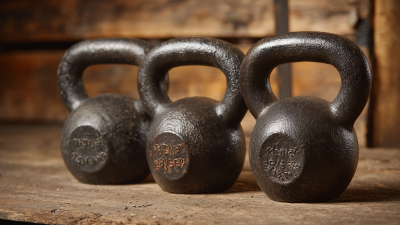
When selecting competition kettlebells, both materials and designs play crucial roles. Typically, kettlebells come in cast iron or competition-style metal. Cast iron kettlebells are traditional and durable. They can withstand rough handling. However, they often have a rough surface that may not feel great in your hands. Competition kettlebells, made from steel, have a smoother grip. This can enhance your performance but sometimes feels too slick when sweating.
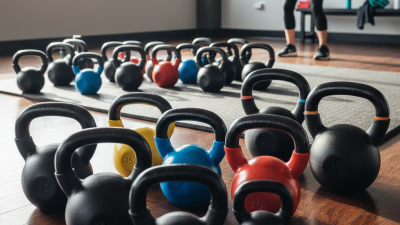
The shape of the kettlebell matters as well. Competition kettlebells have a uniform size regardless of weight. This provides consistency in handling. It’s easier to transition between weights. Yet, this can misjudge your grip strength if you’re not careful. Classic kettlebells vary in size, which may require adjustment in your technique. Some find this frustrating. The weight distribution also differs. Competition models typically have a more even weight distribution. This helps in executing certain lifts better. However, novices may find them challenging.
Finally, consider your workout style. If you prefer high repetitions, lighter weights might suit you. For strength building, heavier kettlebells are crucial. Reflect on your current fitness level. A well-chosen kettlebell can promote better results, but an unfit design can hinder your progress. Make sure to assess your needs carefully.
How to Choose the Best Competition Kettlebells for Your Workout?
| Material |
Weight (kg) |
Handle Diameter (mm) |
Design |
Durability |
| Cast Iron |
8 |
28 |
Traditional |
High |
| Steel |
12 |
32 |
Smooth |
Very High |
| Rubber Coated |
16 |
30 |
Ergonomic |
Moderate |
| Competition |
24 |
33 |
Uniform |
High |
| Vinyl |
6 |
25 |
Colorful |
Low |
Evaluating Brand Reputation and Customer Reviews for Kettlebells
When selecting competition kettlebells, brand reputation should be a key factor. Research companies that produce kettlebells and read customer reviews. Look for consistent feedback regarding quality and durability. Customers often share their experiences, which can reveal a lot.
Tips: Pay attention to the materials used. For example, competition kettlebells are usually made from high-quality steel. This type can withstand heavy use and last longer.
Evaluate how responsive brands are to customer queries. A company that engages with its customers often cares about quality. Reviews might highlight customer service experiences. This insight can help you avoid brands that disregard their clients.
Tip: Look for reviews that discuss product features. Details like handle grip and size are crucial for proper training. Sometimes, kettlebells may look appealing but could be uncomfortable during workouts. Trust your instincts when reading reviews and consider the feedback seriously.
Determining Your Budget for Competition Kettlebell Purchases
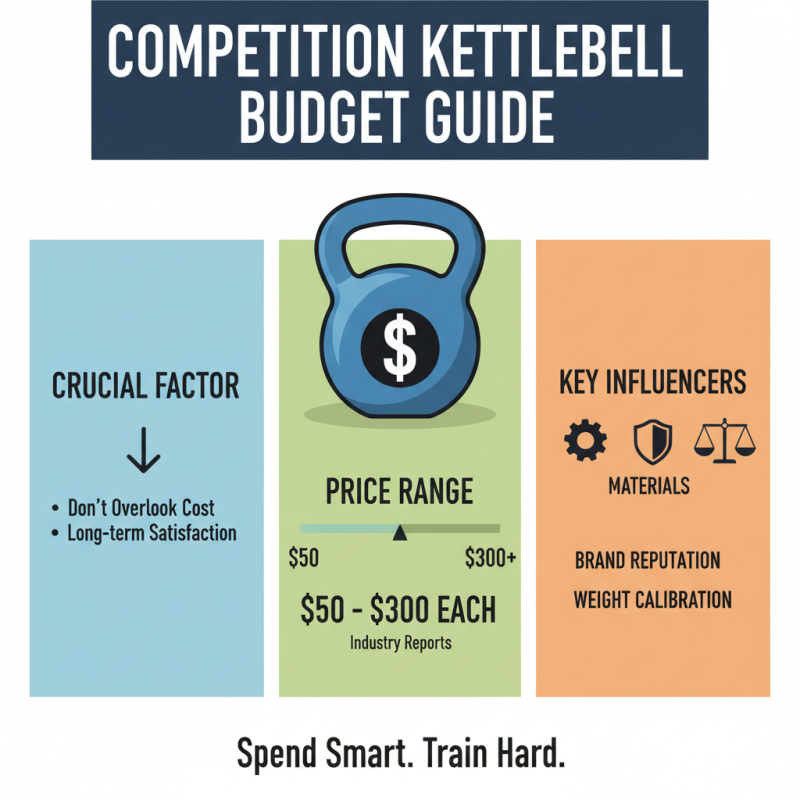
When selecting competition kettlebells, budget is a crucial factor. Many athletes overlook this aspect. Industry reports indicate that quality kettlebells range from $50 to $300 each. This price variation depends on materials, brand reputation, and weight calibration. Spending within your budget is essential for long-term satisfaction.
Consider your workout needs. If you're a beginner, investing in a lower-end kettlebell might suffice. However, advanced users often require more precise weights. Research shows that competition kettlebells maintain certain standards, which can impact performance. You'll want to allocate funds accordingly for durability and consistency in your training.
**Tips:** Always compare prices from multiple retailers. You may find sales or discounts that can help. Additionally, consider purchasing kettlebells in sets. This can ensure you have a variety of weights as your skills evolve. Reflect on your training goals to avoid unnecessary spending. Sometimes, a little extra thought on your budget can lead to better decisions. Investing wisely in kettlebells can enhance your workout experience.