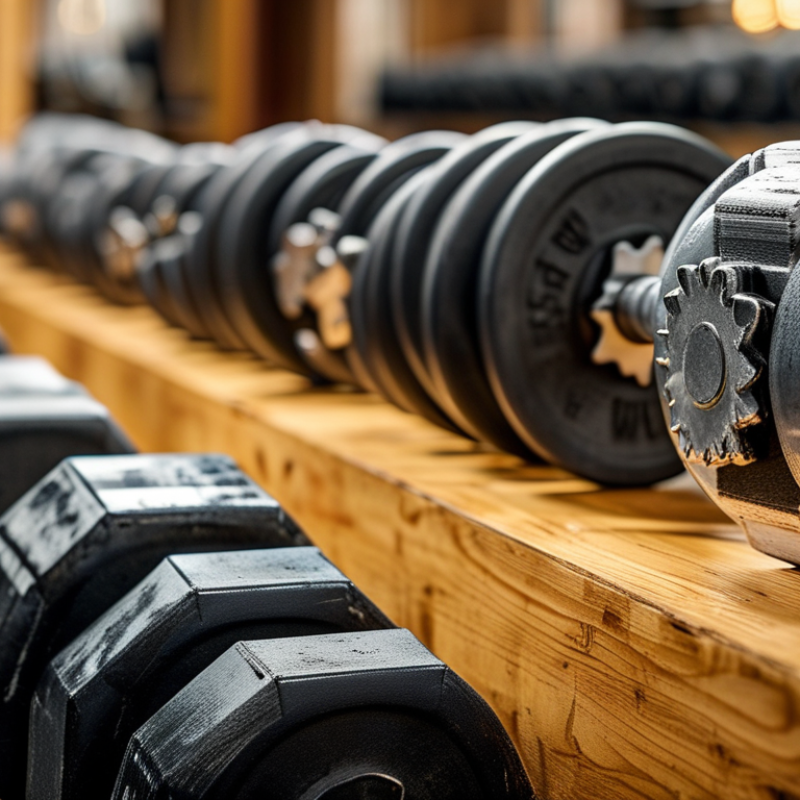
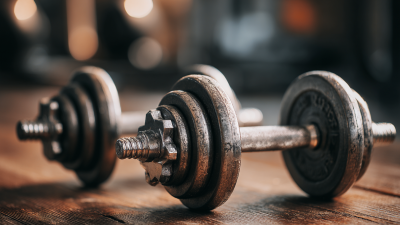
| Fixed Hex Dumbbells |
Cast iron or steel heads with a rubber, urethane, or bare-metal coating; hexagonal heads prevent rolling. |
1–50 kg per dumbbell in many commercial ranges |
Usually 1, 2, 2.5, or 5 kg, depending on the weight range |
General strength training, functional training, and busy fitness areas |
Stable on the floor, quick to pick up, durable, and easy to organize on a rack |
Requires a separate pair for every weight; rubber may produce odor when new |
★★★☆☆ Moderate |
Wipe after use; inspect coating and handles regularly |
Excellent for high-use gyms |
| Fixed Round Dumbbells |
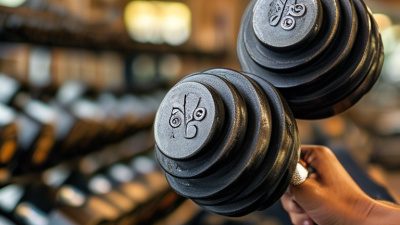
Cast iron or steel with chrome, rubber, urethane, or painted finishes; round heads rotate or roll freely. |
1–50 kg per dumbbell in many commercial ranges |
Commonly 1, 2, 2.5, or 5 kg |
Traditional free-weight areas and bodybuilding-focused workouts |
Familiar design, balanced feel, and broad compatibility with dumbbell racks |
Can roll when placed on the floor; a coating may chip if dropped repeatedly |
★★★☆☆ Moderate |
Keep dry and check for loose handles or damaged coatings |
Excellent for traditional strength areas |
| Adjustable Plate-Loaded Dumbbells |
Steel handles with threaded collars or locking mechanisms and removable cast-iron or steel plates. |
Approximately 2–25 kg per dumbbell, depending on handle and plate capacity |
Often 1–5 kg, based on the plate combination |
Home gyms, personal training, and facilities with limited storage |
One pair can replace many fixed pairs; weight can be customized precisely |
Slower changes between exercises; plates and collars can loosen if not secured |
★★★★★ Very high |
Check collars, threads, and plate edges; store plates off damp floors |
Very good where storage is limited |
| Selectorized Adjustable Dumbbells |
Steel or cast-metal weight plates with a molded polymer housing and a dial, pin, or selector system. |
Commonly 2–24 kg per dumbbell; some systems extend beyond this range |
Often 1–2 kg, with model-specific increments |
Compact home gyms, beginner programs, and guided personal training |
Fast weight changes, minimal loose parts, and very efficient storage |
More mechanical components; not usually suitable for dropping or high-impact use |
★★★★★ Very high |
Keep the mechanism clean and dry; avoid dropping and overloading |
Good for controlled environments |
| Neoprene-Coated Dumbbells |
Cast iron core covered with a soft, textured neoprene coating. |
Usually 0.5–10 kg per dumbbell |
Commonly 0.5 or 1 kg |
Light resistance training, group exercise, rehabilitation, and aerobics |
Comfortable grip, easy visual identification, and relatively quiet placement |
Limited maximum weight; coating can wear or tear under heavy commercial use |
★★★★☆ High |
Clean with mild soap and water; dry fully before storage |
Excellent for light-duty programs |
| Vinyl-Coated Dumbbells |
Cast iron core covered with a smooth vinyl coating, often in multiple colors. |
Usually 0.5–5 kg per dumbbell |
Commonly 0.5 or 1 kg |
Group fitness, beginner training, mobility work, and light conditioning |
Easy to identify, comfortable for short sessions, and simple to clean |
Can become slippery with sweat; coating is less suitable for heavy impact |
★★★★☆ High |
Wipe clean and avoid prolonged exposure to heat or direct sunlight |
Very good for light group classes |
| Rubber-Coated Dumbbells |
Cast iron or steel heads covered with molded natural or synthetic rubber and a steel handle. |
Approximately 2.5–50 kg per dumbbell in many commercial ranges |
Commonly 2.5 or 5 kg at heavier weights; smaller increments may be available |
Commercial strength training, functional training, and general fitness |
Reduces floor noise, protects equipment surfaces, and withstands frequent use |
May have a noticeable odor when new; rubber can crack after prolonged exposure to sunlight or chemicals |
★★★☆☆ Moderate |
Use a non-abrasive cleaner; inspect for cracks, separation, or exposed metal |
Excellent for most commercial gyms |
| Urethane-Coated Dumbbells |
Steel or cast-metal heads with a dense, low-odor polyurethane or urethane coating. |
Approximately 2.5–60 kg per dumbbell, depending on the set design |
Usually 2.5 or 5 kg, with smaller increments in lighter ranges |
Premium commercial facilities, strength rooms, and long-term installations |
Highly resistant to abrasion, low odor, color stable, and easy to sanitize |
Higher purchase cost; hard impacts can still damage floors or equipment |
★★★☆☆ Moderate |
Clean with mild detergent; avoid harsh solvents and prolonged moisture |
Excellent for long-term commercial use |
| Chrome-Plated Dumbbells |
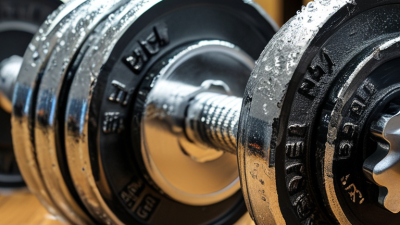
Machined cast iron or steel with a polished or chrome-plated exterior. |
Approximately 1–30 kg per dumbbell |
Commonly 1, 2, 2.5, or 5 kg |
Traditional strength training and visually organized weight rooms |
Smooth appearance, compact dimensions, and a firm metal grip |
Can scratch floors, become slippery when wet, and show corrosion if the finish is damaged |
★★★★☆ High |
Dry after cleaning; inspect plating for chips and rust |
Good for controlled indoor use |
| Training Recommendation |
Use a combination of durable fixed dumbbells and adjustable options when the facility serves different user groups. |
Light pairs for warm-ups and rehabilitation; medium pairs for general training; heavy pairs for progressive strength work |
Use smaller increments at lighter weights and larger increments at heavier weights |
Mixed-use gyms with beginners, regular members, and advanced lifters |
Improves exercise progression, reduces waiting time, and balances equipment cost with storage needs |
A complete range requires rack space, inspection procedures, and clear weight labeling |
★★★☆☆ Depends on the mix |
Schedule routine cleaning, tightening, coating inspection, and weight-label checks |
Best overall for mixed-use gyms |