Dial Weights Tips for Accurate Measurements and Usage Guide?
Dial weights play a crucial role in various industries, ensuring precise measurements. According to a 2022 market report by Weighing Technology Insights, the demand for dial weights is expected to grow by 15% annually due to advancements in quality control. Expert Dr. Alan Thompson states, “Accurate measurements using dial weights are essential for maintaining industry standards.”
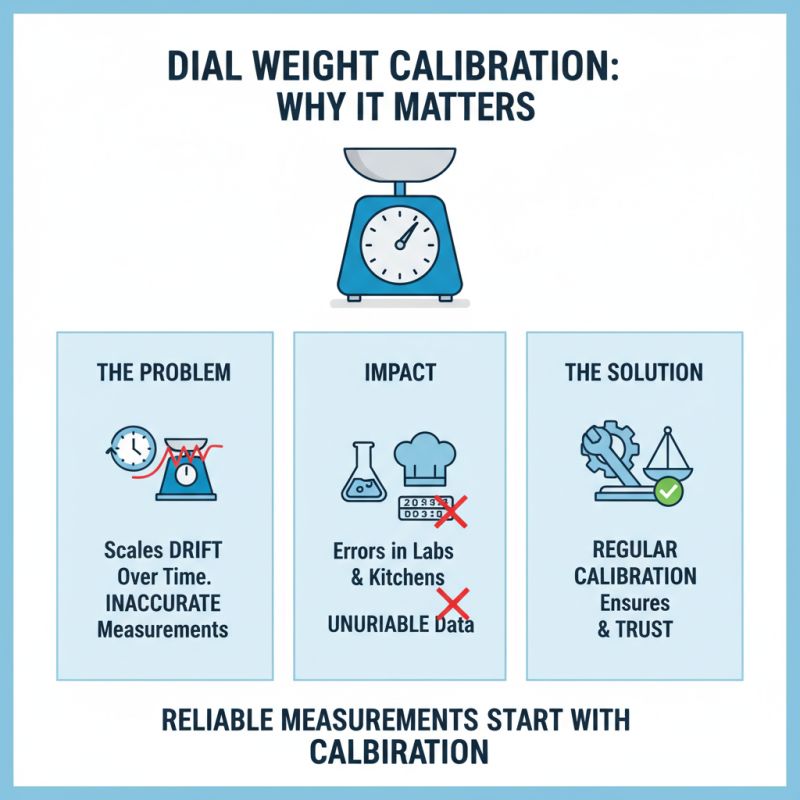
Despite their importance, many users overlook the proper handling and maintenance of dial weights. Calibration errors can occur if they are not treated with care. For instance, exposure to extreme temperatures can lead to inaccurate readings. Regular checks ensure that the dial weights remain reliable for operational use.
Implementing best practices for dial weights is vital. Many users struggle with inconsistent results, leading to frustrations in their processes. It's essential to understand that even slight deviations can have significant impacts. A commitment to accuracy can enhance productivity and quality outcomes in any measurement practice.

Understanding Dial Weights: Types and Specifications
Dial weights are essential tools in many industries. They come in various types and specifications, making understanding their features crucial for accurate measurements. One significant type is the mechanical dial weight. It relies on a spring and gauge system to measure force. Reports show that mechanical dial scales can have an accuracy of up to 0.1%. This precision is vital, especially in laboratory settings.
Another type is the digital dial scale. These scales offer faster readings and can store multiple weights. Industry findings indicate that digital scales tend to be more user-friendly. However, they are also prone to battery issues, which can lead to inaccuracies if not maintained properly. Users should be aware of calibration requirements to ensure the reliability of these devices.
When using dial weights, environmental factors also matter. Temperature fluctuations can affect performance. A study found that weights displayed variations of up to 0.2% in extreme conditions. This inconsistency highlights the importance of proper storage and usage protocols. Users must stay vigilant about their equipment’s condition and calibration for the best results.
Step-by-Step Guide to Reading Dial Weights Effectively
Reading dial weights can seem daunting at first. However, with practice, you can master it. Start by ensuring the scale is on a flat surface. This will provide accuracy. Next, focus on the dial itself. Note that many dials have markings that indicate weight increments. These can vary between 1, 2, or even 5 units.
When reading, take note of where the pointer sits. If it’s between two values, estimate carefully. This is where practice becomes key. Don’t rush. Observe the dial and take your time. Small errors can lead to large discrepancies in weight measurement.
Tips for accurate measurements include checking for zeroing before weighing anything. Always return to zero when not in use. Regularly calibrate your scale to ensure its precision. Lastly, remember that environmental factors, like humidity, can affect readings. Stay conscious of these elements to ensure accuracy in your measurements.
Dial Weights Measurement Accuracy
Common Mistakes to Avoid When Using Dial Weights
When using dial weights for precise measurements, many people stumble into common pitfalls. One frequent mistake is not ensuring the dial is calibrated correctly before weighing. An unchecked dial can lead to inaccurate results. Make it a habit to zero out the scale regularly. Even minor fluctuations can throw off your results.
Another issue arises from distractions during the measuring process. You might be tempted to multitask, but this often leads to overlooking details. Hold the dial steady and focus solely on the weight. It's easy to misread the dial if you’re rushing. When using the dial, also ensure the object is placed properly. Misalignment can lead to skewed data, scaring off accuracy.
It's not uncommon for beginners to disregard the manual. This can lead to mistakes about the device's capabilities. Take time to familiarize yourself with the settings and functionalities. Maybe you think you know it all, but a little review can save you from frequent errors. Embrace the learning curve and refine your approach. Every misstep can be a lesson in precision.
Dial Weights Tips for Accurate Measurements and Usage Guide
| Dimension |
Tip/Advice |
Common Mistakes |
| Calibration |
Regularly calibrate your dial weights to ensure accuracy. |
Neglecting to calibrate before use. |
| Placement |
Ensure the dial weight is placed on a stable, flat surface. |
Using the dial weight on an uneven or slippery surface. |
| Weight Selection |
Select a weight that is appropriate for your measurement needs. |
Using a weight that exceeds the scale's capacity. |
| Readability |
Stand directly in front of the dial for an accurate reading. |
Reading the dial from an angle, leading to misinterpretation. |
| Maintenance |
Keep the dial free from dust and moisture for reliable performance. |
Ignoring signs of wear and tear on the dial components. |
Maintenance Tips for Ensuring Longevity of Dial Weights
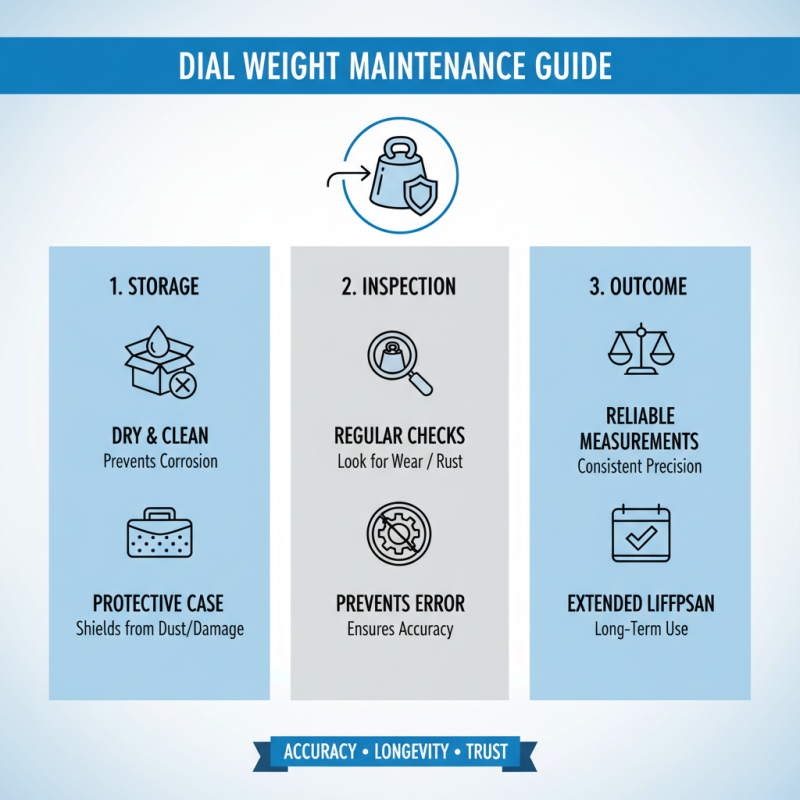
Maintaining the accuracy and longevity of dial weights requires regular attention. First, store dial weights in a dry, clean environment. Moisture can lead to corrosion, affecting precision. A protective, cushioned case can shield them from dust and physical damage. Check for any signs of wear or rust frequently. Neglecting this can lead to unreliable measurements over time.
Handling dial weights with care is crucial. Avoid dropping or jarring them, as this can throw off their calibration. Clean them gently with a soft cloth after use to remove any residue. Sometimes, users overlook tiny scratches or dings, but these can accumulate and impact performance. Regular calibration checks can help maintain their correctness.
Some people might become complacent, thinking their weights are fine without inspection. This can lead to inaccuracies that may go unnoticed until it's too late. Keeping a maintenance log can be helpful. Documenting regular checks encourages accountability and ensures your dial weights remain reliable. The goal is to prolong their life while ensuring they deliver true measurements every time.