Top 10 Dial Weights How to Choose the Right One?
Choosing the right dial weights can significantly impact your precision and performance. According to industry expert John Taylor, “The right dial weight can elevate your experience and accuracy.” Dial weights are not just numbers; they play a crucial role in various applications, from laboratories to engineering.
When selecting dial weights, it’s essential to consider your specific needs. A balance between weight and purpose is vital. Many users overlook their specific requirements, leading to dissatisfaction. The right weight provides stability and ensures accurate readings, so it’s worth taking the time to investigate options.
In this guide, we will explore the top 10 dial weights available. We’ll highlight their features and the questions you should ask before purchasing. Remember, even seasoned professionals can make mistakes in this area. Being informed is key to making a sound decision.
Understanding Dial Weights and Their Functions
Dial weights are crucial in various industries, notably in healthcare and laboratory settings. They play a vital role in precision measurement and calibration. Understanding their functions helps choose the right dial weight for your needs. According to industry reports, accurate measurements influence outcomes in over 80% of laboratory experiments.
Typically, dial weights come in various ranges, indicating their specific mass. Selecting the correct weight involves considering the required precision. For example, weights used in pharmaceutical research must adhere to strict accuracy standards. Many laboratories shy away from heavier weights due to concerns about potential damage to delicate equipment.
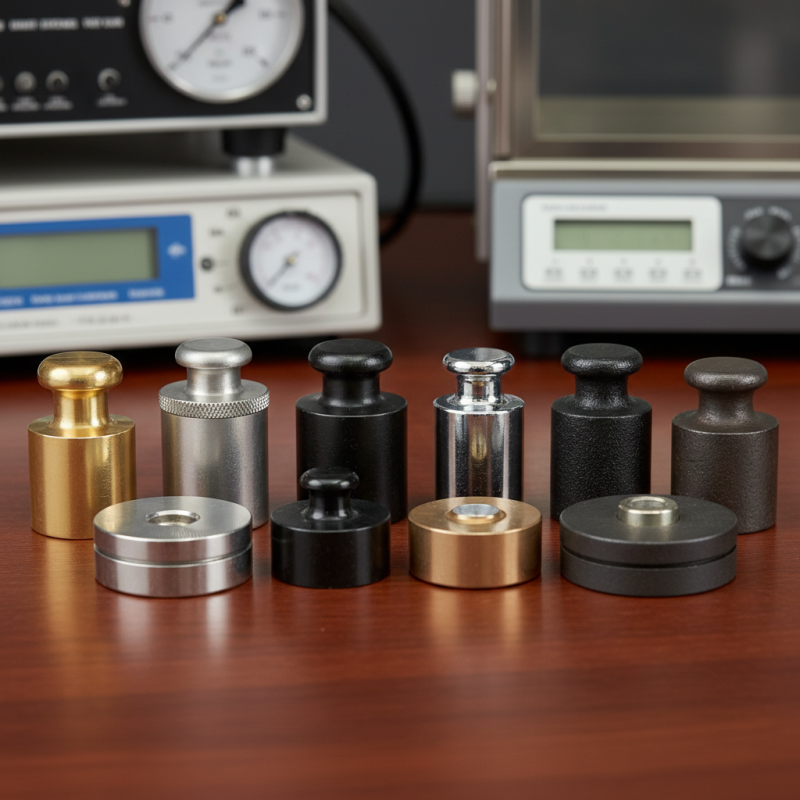
Furthermore, materials used for dial weights vary. Brass, stainless steel, and aluminum are common choices. Each material presents unique challenges. Brass may corrode over time, while aluminum might not provide the heft needed for accurate measurement. Weighing these options is essential for ensuring optimal performance. Each choice carries implications for the integrity of measurements, leading to a potential for error.
Factors to Consider When Choosing Dial Weights
Choosing the right dial weight can be tricky. Various factors come into play. Understanding your specific needs is essential. The weight of the dial can affect its precision and stability. A heavy dial may provide consistency but can be cumbersome. Lighter options are nimble but may lack some accuracy.
Consider the material used. Metal dials offer durability, while plastic ones are lighter. The feel in your hand matters. A dial that is too slippery can lead to errors. Pay attention to the grip. It’s important to find something that feels comfortable. Don’t overlook size. A compact dial can be portable but may be hard to read.
Another aspect to evaluate is calibration. Some dials require frequent adjustments. This can become frustrating over time. Make sure to assess how often you might need to recalibrate. Reflect on your experience with weight adjustments. What worked well in the past? What didn’t? These reflections can guide your decision-making process.
Comparing Different Materials Used in Dial Weights
When selecting dial weights, material choice is crucial. Different materials offer unique benefits and drawbacks.
Metal dial weights, for instance, are known for their durability and stability. They resist wear and tear well. However, they can be heavy and might affect performance for some users.
On the other hand, plastic materials are lightweight and corrosion-resistant. This makes them more suitable for certain applications.
However, plastic may not provide the same level of durability as metal. Users might find that plastic weights need more frequent replacement.
Glass dial weights are aesthetically pleasing but fragile. They can break easily. This risks interruption during usage.
Weight material impacts function, and it can be challenging to find the perfect fit. Consider performance needs before making a choice. Balancing weight, durability, and application requirements is essential.
Tips for Maintaining and Storing Dial Weights Properly
Dial weights play a crucial role in precise measurements. Proper maintenance and storage ensure their longevity and accuracy. According to recent industry reports, improper handling can lead to a 15% error margin in readings. Such errors can significantly impact various fields, including laboratory settings and industrial applications.
To maintain your dial weights, keep them clean. Use a soft cloth to wipe off dirt and residues. Dust can cause inaccuracies over time. Store them in a dry, temperature-controlled environment. Avoid exposure to direct sunlight or extreme temperatures, as these conditions can alter the weight's composition.
It's also vital to check your dial weights regularly. Inspect them for wear or damage. A simple visual check can sometimes reveal issues. If you're unsure about their reliability, consider recalibrating them every six months. This practice helps uphold precision, ensuring your measurements remain trustworthy and effective.