
News
Adjustable dumbbell strength factory

0102030405
Ultimate Guide to Buying Dumbbells for Back-to-School Season
2026-04-01
Back-to-School Season: Complete Guide to Purchasing Dumbbells & Strength Training Equipment for Campuses
Table of Contents 1 Core Demand Analysis for Dumbbell Procurement in Back-to-School Season 2 Core Selection Criteria for Campus-Suitable Dumbbells 3 Dumbbell Procurement Plans for Different Campus Scenarios 4 Performance & Cost-Effectiveness of Adjustable Dumbbells5 Matching Principles for Dumbbell Racks & Accessory Equipment 6 Quality & Safety Certification Requirements for Campus Fitness Equipment 7 Supply Chain & Delivery Considerations for Bulk Purchasing 8 Cost Control & Discount Strategies for Back-to-School Procurement 9 Campus Application Value of Innovative Adjustable Dumbbells 10 FAQs 11 Conclusion
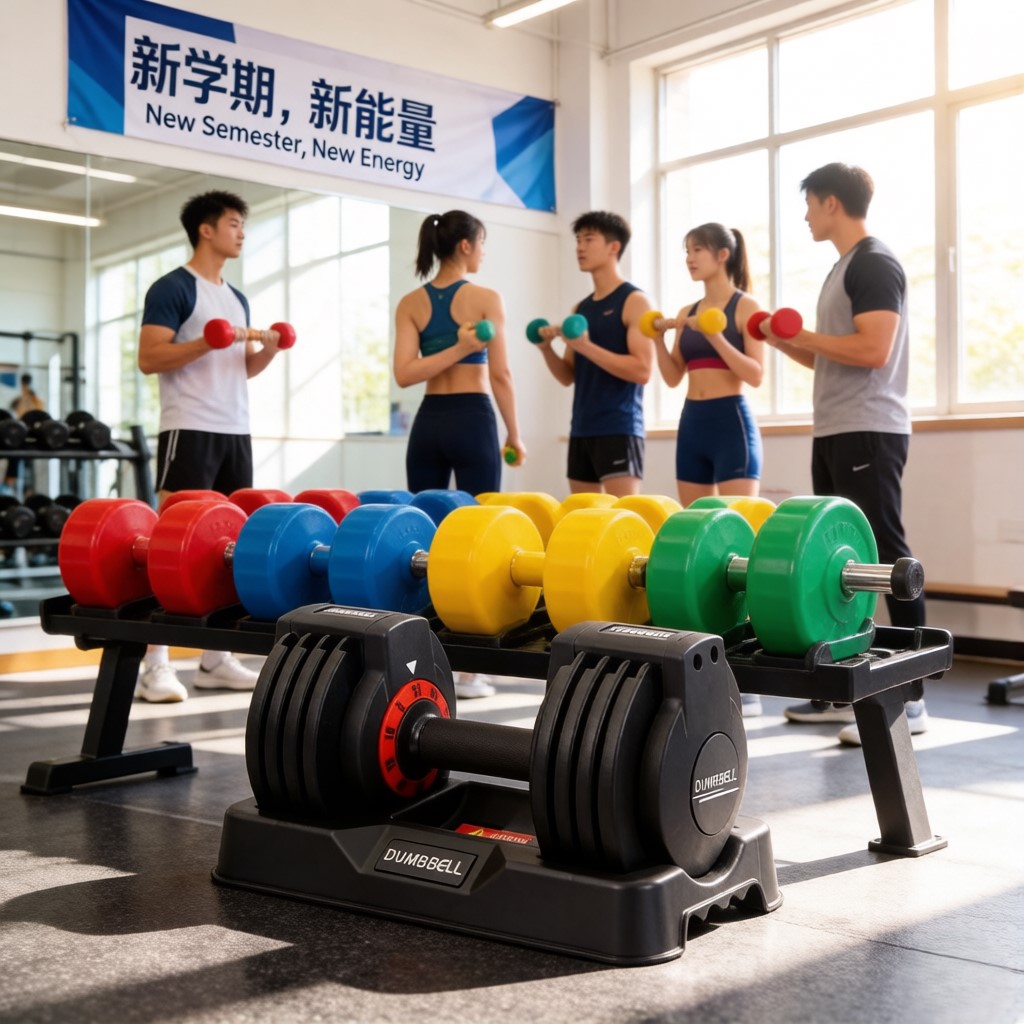
The back-to-school season marks the annual peak for campus sports equipment purchasing. Among these, dumbbells and strength training equipment have become essential items for school gyms, fitness corners, and club training areas due to their high adaptability and wide usability. From basic strength training to after-school fitness improvement, dumbbells meet the exercise needs of students across all age groups. Innovative products such as adjustable dumbbells, steel adjustable mobile dumbbell racks, and 2-in-1 dumbbell & Kettlebell Sets have become top choices for buyers, thanks to their superior space efficiency and multifunctional design.
When selecting dumbbells during the back-to-school season, buyers focus on three core factors: campus compatibility, cost-effectiveness, and safety & durability. Campuses of different sizes and usage scenarios also generate customized purchasing needs. Choosing the right dumbbells for long-term campus use while balancing functionality, cost, and quality has become a key challenge for every B2B procurement professional.
1 Core Demand Analysis for Dumbbell Procurement in Back-to-School Season
Dumbbell procurement for campuses differs fundamentally from retail or commercial gym purchases. The high-frequency use, wide age range of users, and limited space on campus create unique purchasing priorities. First, campus equipment serves students from primary school through university, requiring extremely easy operation. Models for teenagers must avoid complex adjustment mechanisms to reduce the risk of misuse.
Second, most campus fitness areas are public spaces, making space efficiency critical. Traditional fixed-weight dumbbells occupy large areas and come in many SKUs, making them unsuitable for tight campus layouts. In contrast, weight-adjustable dumbbells and 2-in-1 dumbbell-kettlebell sets cover multiple weight levels in one unit, greatly saving storage and usable space — the main reason these innovative products are surging in popularity during back-to-school purchasing. In addition, durability directly affects long-term costs. High-frequency use demands high-strength materials and stable structures to minimize maintenance and replacement.
In terms of purchase volume:
- Primary and secondary schools prioritize lightweight, basic dumbbells with low weight and high safety.
- Universities require heavy-duty, multifunctional adjustable dumbbells and matching racks for professional sports training and fitness clubs, often favoring professional and innovative designs for strength training courses.
2 Core Selection Criteria for Campus-Suitable Dumbbells
Selecting campus-ready dumbbells requires a clear evaluation framework covering material, structural design, adjustability, and safety protection — the foundation for long-term campus usability.
Material
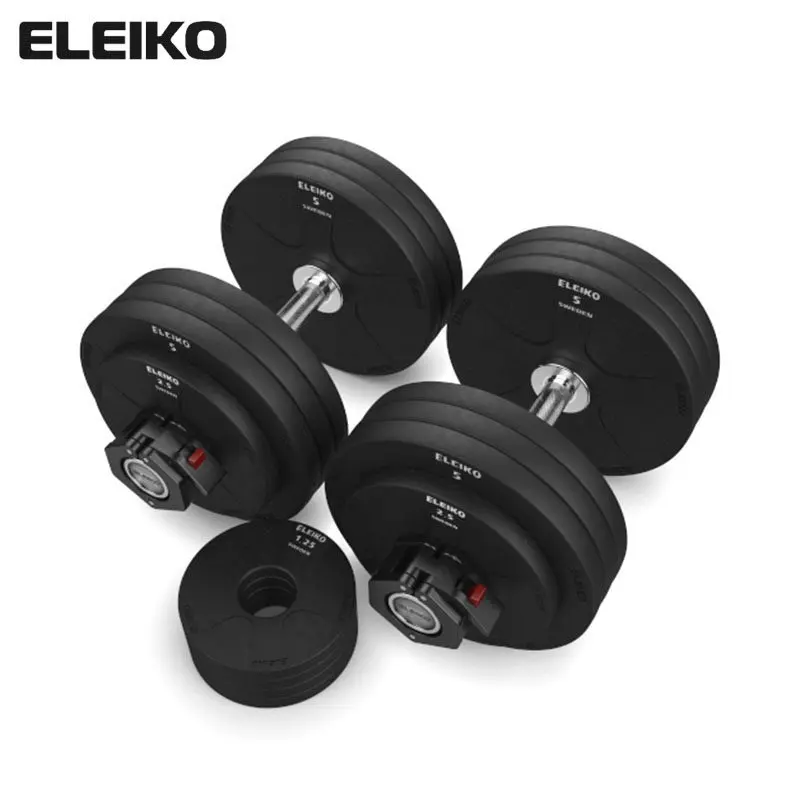
Campus dumbbells should preferably use solid cast-iron construction with an eco-friendly rubber coating. Cast iron ensures load capacity and durability, while the rubber layer prevents impact damage, reduces noise, and supports a quiet campus environment.
Structural Design
Design must follow ergonomic principles. Handle diameter and length should fit students’ hands across age groups to avoid discomfort from overly thick or thin grips. Adjustable dumbbells should use a one-touch locking mechanism to prevent weight plates from loosening or falling during use. For 2-in-1 dumbbell & kettlebell equipment, function switching must be smooth, with stable structures and no sharp edges, fully complying with campus safety standards.
Adjustment Accuracy & Compatibility
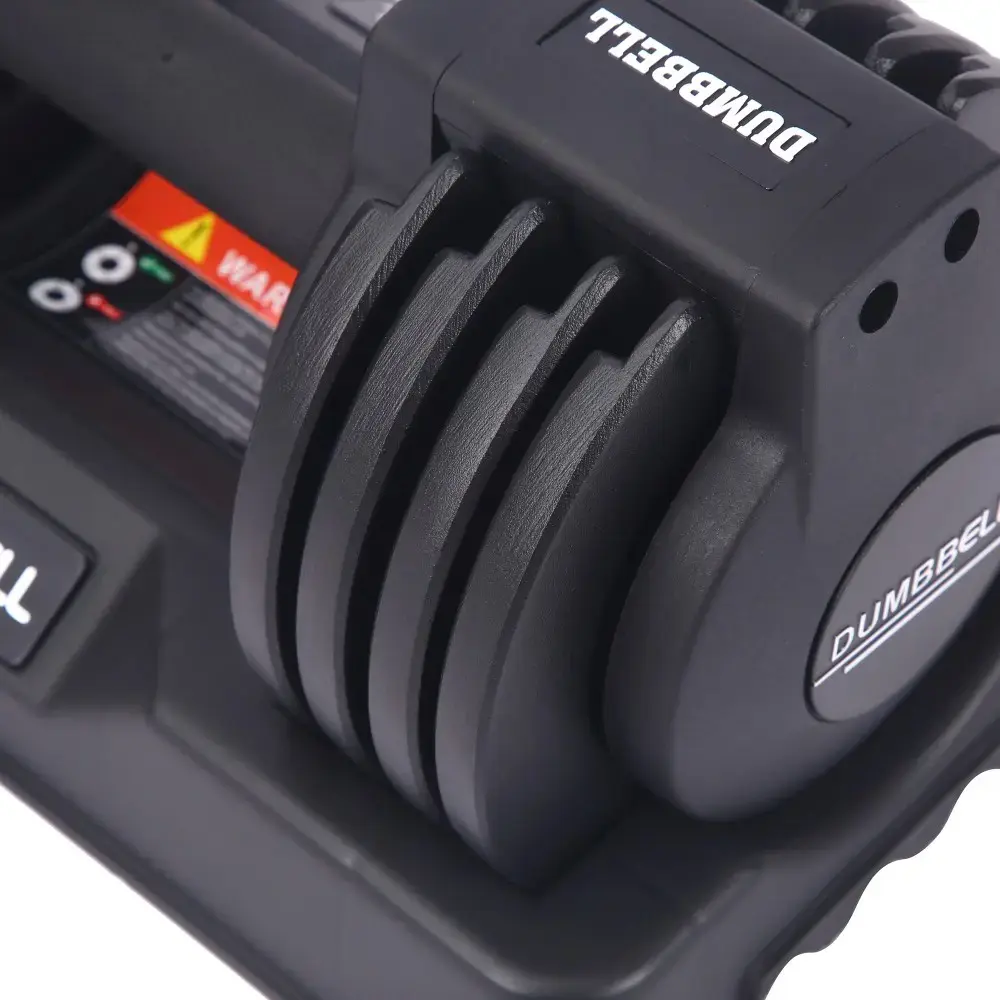
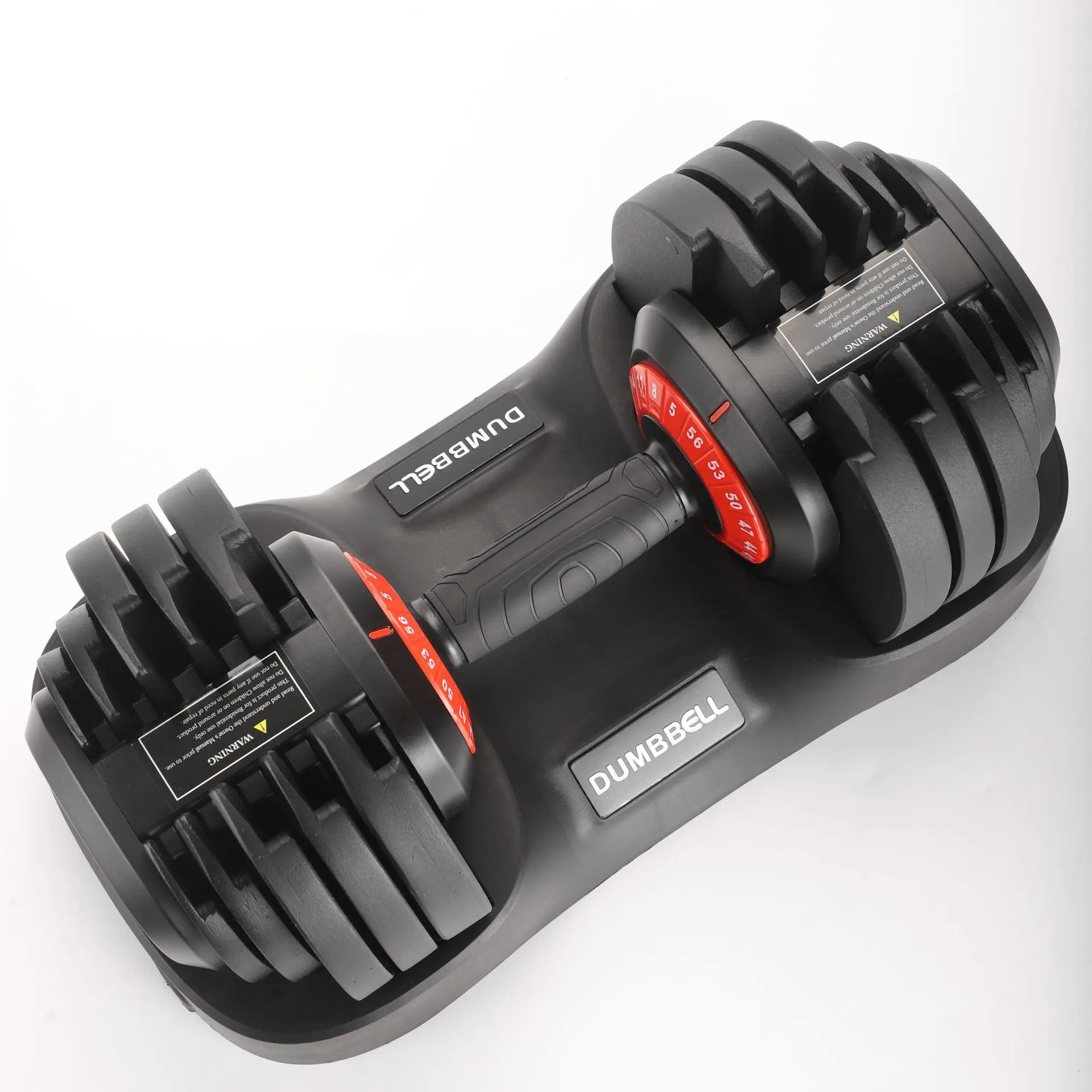
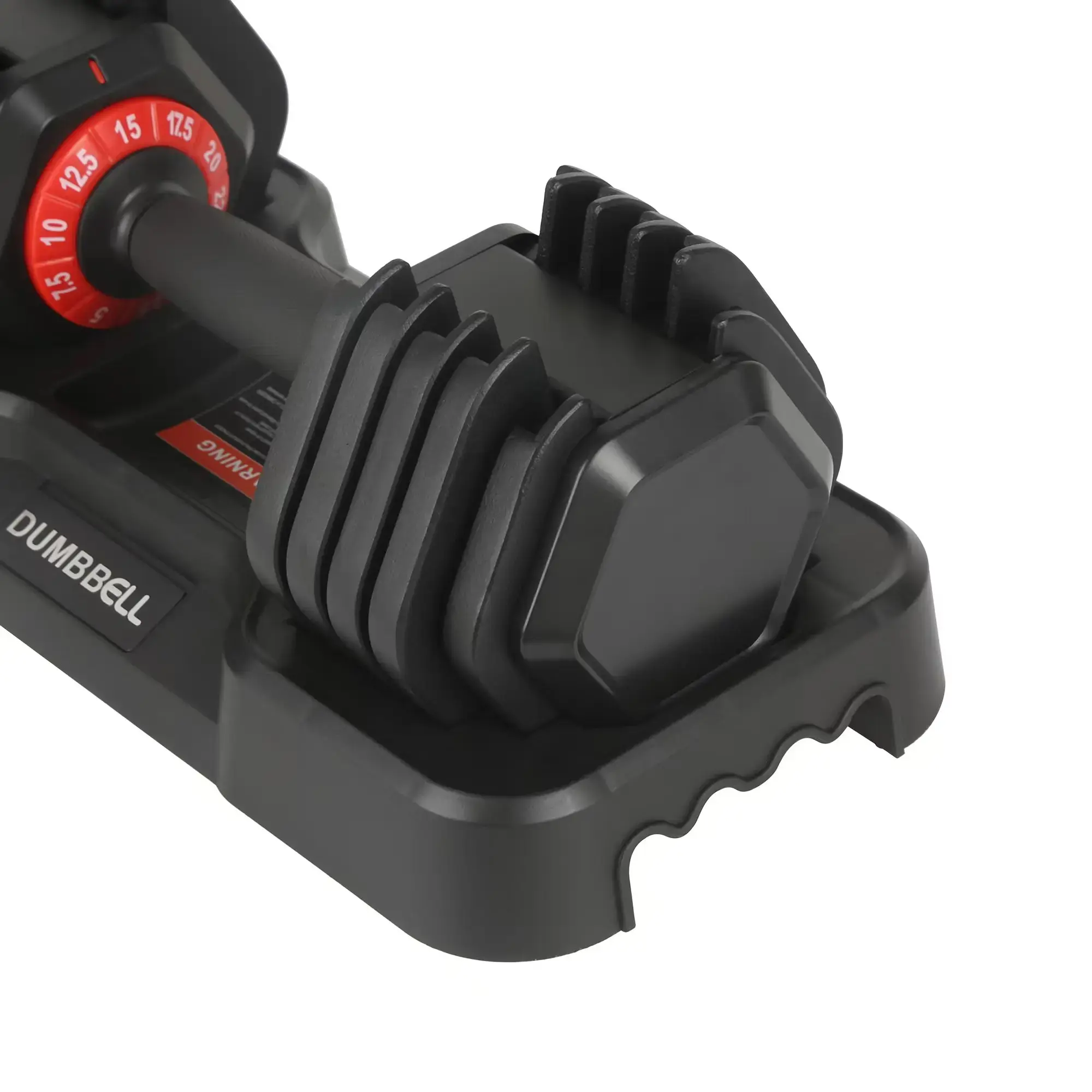
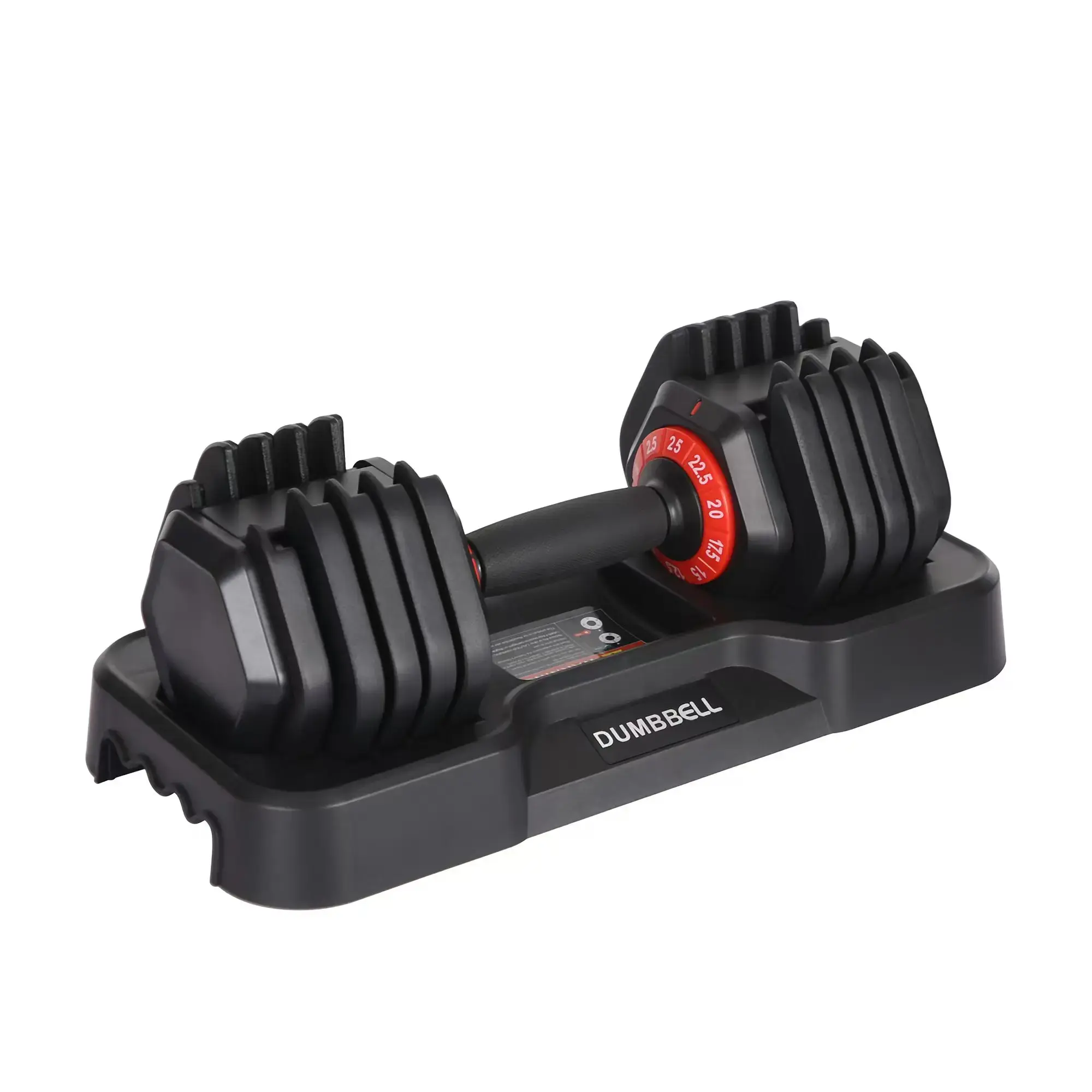
High-quality adjustable dumbbells support stepped weight adjustment covering 5–55LB, suitable for everything from basic fitness to professional strength training. The adjustment process must be simple, operable with one hand and no extra tools, ideal for independent student use.
Safety Protection
All edges must be rounded and polished. Connection points of weight plates must be reinforced to avoid parts falling off or deforming.
3 Dumbbell Procurement Plans for Different Campus Scenarios
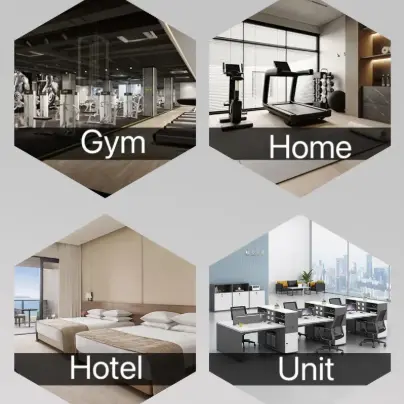
Campus dumbbell usage falls into four main scenarios: PE classrooms, campus fitness corners, professional sports training rooms, and dormitory mini fitness areas. Each requires a tailored plan for optimal matching.
PE Classrooms
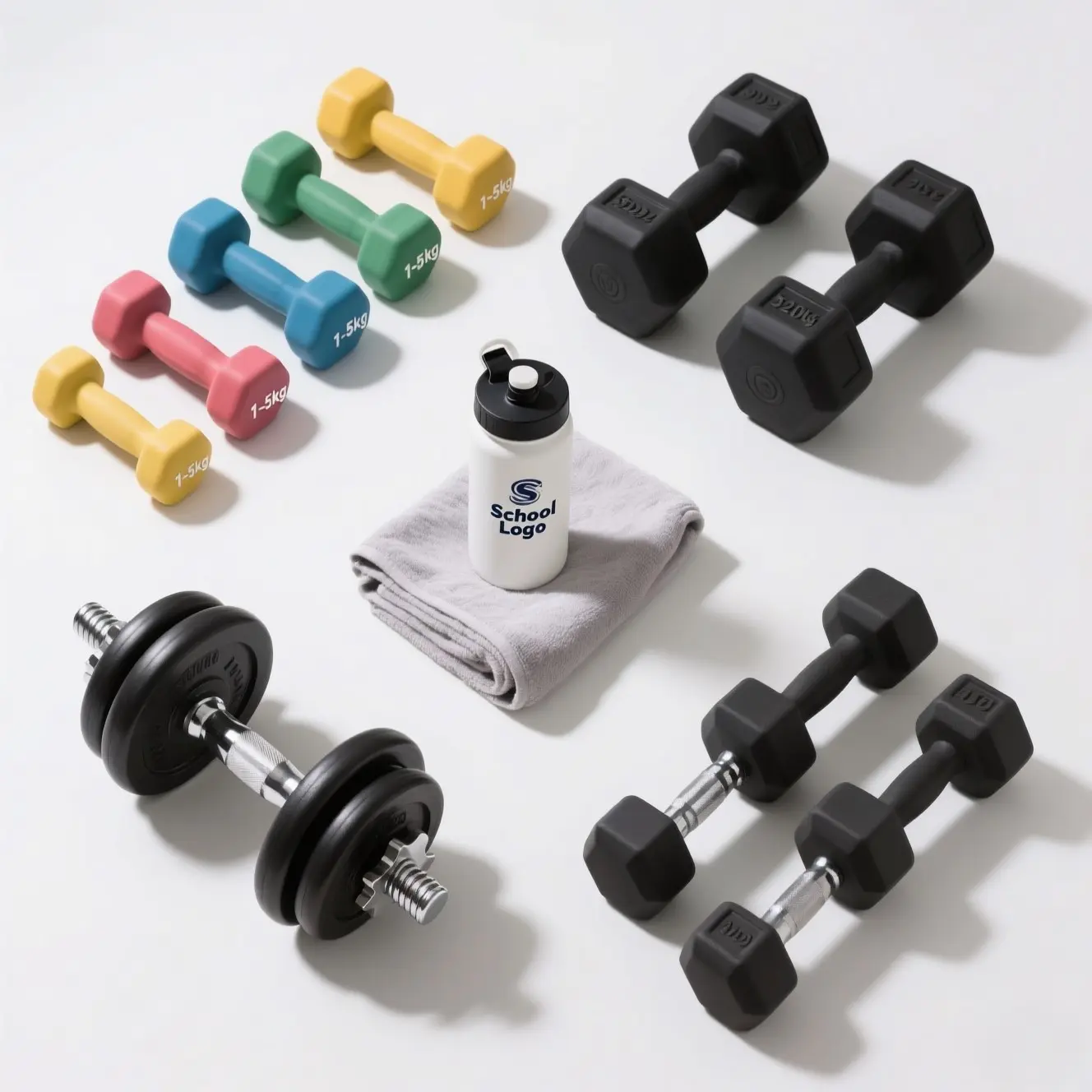
Focus on lightweight, standardized adjustable dumbbells in the 5–25LB range with 5–8 adjustment levels for basic strength teaching. Pair with small steel mobile dumbbell racks, preferably foldable, for easy storage and in-class rearrangement.
Campus Fitness Corners
Located in high-traffic public areas, these need extremely durable, multifunctional equipment. Choose 5–55LB wide-range adjustable dumbbells plus 2-in-1 dumbbell-kettlebell sets. Use floor-standing, multi-layer mobile racks with non-slip bases and weather-resistant, rustproof coatings for outdoor or semi-outdoor durability.
Professional Sports Training Rooms
Prioritize professional, heavyweight equipment with 10–55LB adjustable dumbbells and finer adjustment steps. Match with heavy-duty fixed dumbbell racks with high load capacity, arranged to support efficient training flow.
Dormitory Mini Fitness Areas
Emphasize compactness and portability. Select mini adjustable dumbbells of 2.5–27.5LB that require no rack and can be stored in lockers for casual after-class exercise.
4 Performance & Cost-Effectiveness of Adjustable Dumbbells
Adjustable dumbbells are the flagship category for back-to-school procurement. Their performance defines user experience, while cost-effectiveness guides buying decisions. Evaluate based on adjustment performance, material quality, service life, and price.
Adjustment Performance
Top models feature smooth adjustment, precise weight locking, and clear detents. Weight deviation should be within ±0.5LB. High-end options may include 360° dual-direction adjustment for versatile training movements. While more expensive, they suit universities and well-funded campuses.
Material & Service Life
Solid cast-iron adjustable dumbbells typically last 5–8 years. Assembled weight-plate models last only 2–3 years, with lower upfront cost but higher long-term maintenance expenses, resulting in lower overall cost-effectiveness. Buyers should review material test reports, checking cast-iron thickness and rubber coating wear resistance.
Price & After-Sales
For bulk back-to-school orders, negotiate volume discounts. Mid-range pricing is recommended for basic 5–25LB adjustable dumbbells. For premium wide-range models, choose reputable brands with strong value. Warranty and spare parts availability further improve long-term cost-effectiveness and reduce maintenance costs.
5 Matching Principles for Dumbbell Racks & Accessory Equipment
Dumbbell racks are core accessories. Purchasing should follow compatibility, practicality, and layout rationality to avoid wasted space or inconvenience.
Size Compatibility
Rack layers, load capacity, and footprint must match dumbbell quantity and weight. Heavy 5–55LB adjustable dumbbells require racks supporting ≥100KG per layer, holding 4–6 units each. Lightweight mini dumbbells can use small multi-layer racks holding 8–10 units per layer. Height should be ergonomic for students of varying heights.
Practicality
Campus dumbbell racks should be mobile and foldable with casters and brakes for flexible arrangement. Steel racks require rust and corrosion protection — especially outdoor models, which benefit from zinc plating plus powder coating. Foldable designs are ideal for space-constrained campuses.
Layout Rationality
Place racks along the perimeter in PE and training rooms for easy access and storage. In fitness corners, position racks centrally with sufficient surrounding training space. Use multi-functional storage racks for 2-in-1 dumbbell-kettlebell sets to organize equipment neatly and efficiently.
6 Quality & Safety Certification Requirements for Campus Fitness Equipment
For public campus sports equipment, quality and safety certifications are mandatory to protect student safety. Buyers must strictly verify certificates and reject uncertified products.
International Certifications
Common global standards include:
- CE Certification
- ISO 9001 Quality Management System Certification
Innovative adjustable dumbbells should also have patent certifications to avoid intellectual property risks. Buyers must also comply with regional safety standards for their target market.
Internal Quality Testing
- Rubber coatings must be eco-friendly and non-toxic.
- Locks, weight plates, and components must pass fatigue testing for high-frequency use.
- Dumbbell rack welds must be solid, with load capacity meeting labeled standards to prevent collapse.
For bulk orders, buyers may request sample testing. Quality guarantee clauses should be included in contracts, holding suppliers responsible for returns, replacements, and repairs for defective goods.
7 Supply Chain & Delivery Considerations for Bulk Purchasing
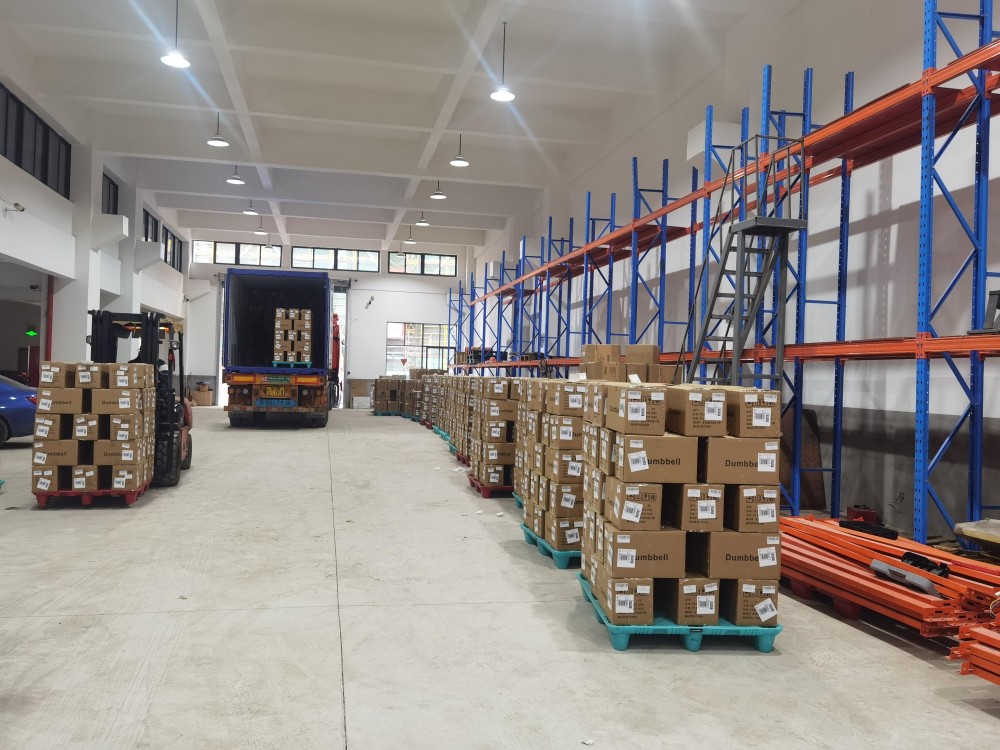
Back-to-school dumbbell orders are usually bulk purchases, so supply chain stability and on-time delivery directly affect school opening plans. Buyers should evaluate supplier production capacity and clarify delivery terms.
Supply Chain Capacity
Choose suppliers with integrated design, R&D, and manufacturing to control production speed and quality. Verify back-to-school dedicated inventory levels. For customized equipment, confirm production lead times to ensure delivery before the semester starts.
Delivery & Acceptance
Contracts must specify delivery dates, with time reserved for inspection and installation. Use door-to-door shipping, with suppliers covering freight and damage risks. Suppliers should provide on-site installation for dumbbell racks and heavy equipment.
A full acceptance process includes checking quantity, appearance, function, and certifications. Adjustable dumbbells must be tested for adjustment and locking performance. Non-conforming products must be replaceable under the purchase agreement.
8 Cost Control & Discount Strategies for Back-to-School Procurement
The back-to-school peak brings supplier promotions. Buyers can optimize costs while maintaining quality through strategic purchasing.
Centralized Bulk Buying
Consolidate needs across departments and scenarios to negotiate higher volume discounts. Bundle dumbbells, racks, and storage equipment in package deals for better overall pricing.
Seasonal Promotions
Take advantage of limited-time discounts, bulk savings, and free gifts during the peak season. Long-term partners often qualify for exclusive offers and improved after-sales support.
Budget Planning
Allocate budget to core categories with high-quality, cost-effective products. For non-critical items, choose economical options to avoid overspending on premium features. Maintain a contingency budget for price adjustments or extra installation fees.
9 Campus Application Value of Innovative Adjustable Dumbbells
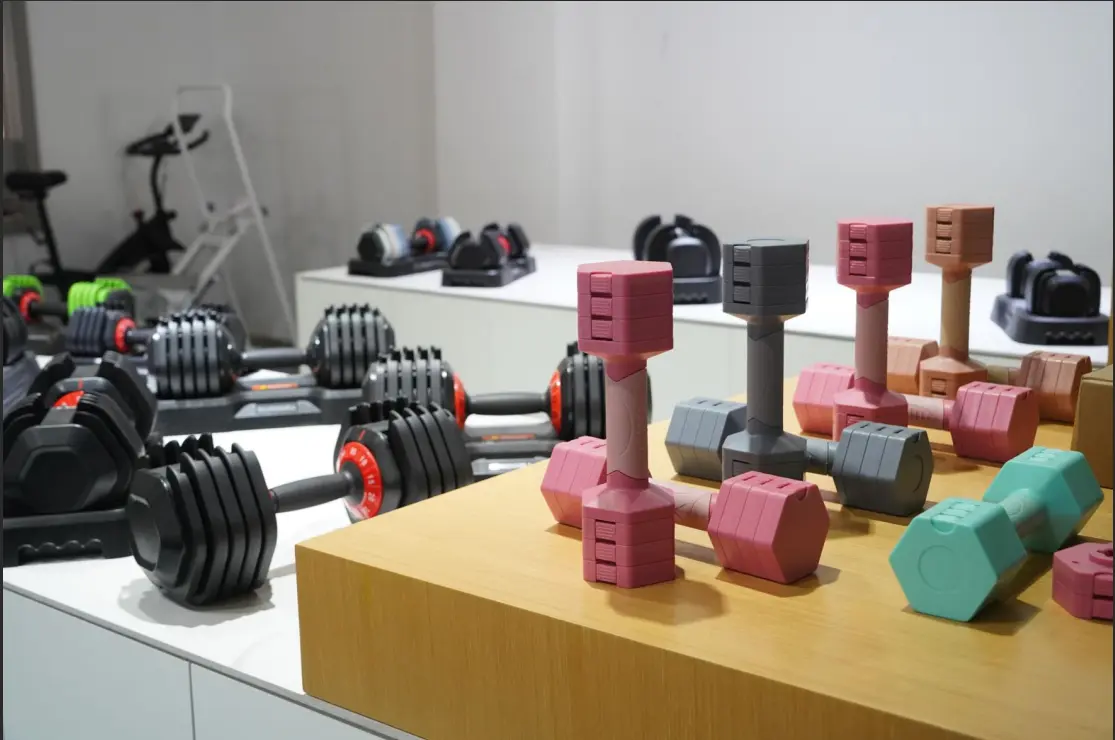
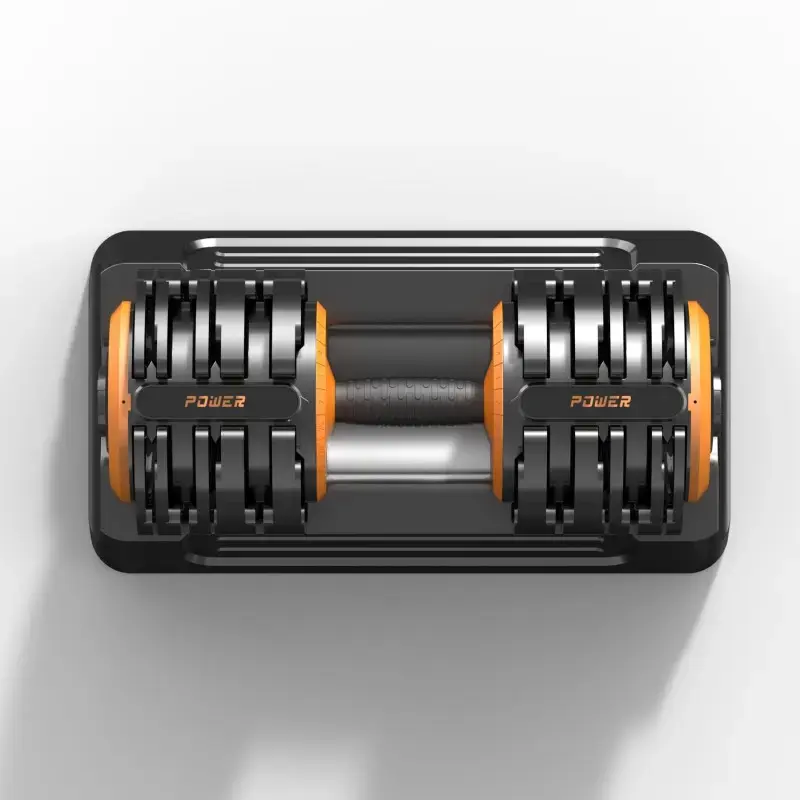
Innovative products — including one-touch adjustable dumbbells, 2-in-1 dumbbell-kettlebell sets, and 360° adjustable dumbbells — are leading the new trend in campus procurement. They deliver enhanced value for physical education and student fitness while supporting diversified campus sports development.
Space Optimization
A single 5–55LB one-touch adjustable dumbbell replaces over 10 sets of traditional fixed-weight dumbbells, greatly saving space — especially valuable for space-constrained schools and dormitories.
Functional Diversity
2-in-1 dumbbell-kettlebell equipment supports both strength training and explosive training, enriching PE curricula without separate kettlebells, reducing total procurement cost.
User Experience & Teaching Efficiency
Easy one-touch adjustment lets students independently change weights, supporting self-directed learning. Anti-slip, sweat-resistant handles improve comfort and safety. The durable, high-tech appearance upgrades campus facilities and encourages consistent exercise habits.
For university sports programs, professional fine-adjustment models support advanced strength training and raise teaching quality.
10 FAQs
Q: Should campuses choose adjustable or fixed-weight dumbbells for back-to-school purchasing?
A: Adjustable dumbbells are strongly recommended. They offer higher space efficiency and versatility, covering multiple scenarios and user groups with lower long-term costs. Fixed-weight dumbbells are only suitable for campuses with ample space and simple needs.
Q: Should campus fitness corners use steel or plastic dumbbell racks?
A: Steel racks are preferred for high load capacity, durability, and rust resistance suitable for high-frequency outdoor/semi-outdoor use. Plastic racks are only suitable for low-frequency dormitory use.
Q: What weight ranges are best for campus adjustable dumbbells?
A:
- Primary & secondary schools: 5–25LB
- Universities: 5–55LB
- Dormitories: 2.5–27.5LB (mini, portable)
Q: How to ensure consistent quality in bulk dumbbell orders?
A: Require bulk quality reports and random sample testing of at least 5% of the order. Include quality consistency clauses in the contract, with suppliers liable for returns or replacements.
Q: What warranty period is appropriate for campus dumbbell equipment?
A: Basic adjustable dumbbells: ≥2 years. High-end innovative dumbbells and steel racks: ≥3 years.
Q: Are 2-in-1 dumbbell-kettlebell sets suitable for primary and secondary schools?
A: Yes. Choose lightweight 5–25LB versions to enrich PE classes, increase student engagement, and save budget and space.
Q: Do steel mobile dumbbell racks need extra rust protection?
A: Outdoor/semi-outdoor racks require zinc plating + powder coating. Indoor racks only need basic powder coating.
Q: How long is delivery for back-to-school bulk orders?
A: Standard orders: 7–15 working days. Customized models: 15–30 working days. Allow extra time for inspection and installation.
Q: Which lock design is best for campus adjustable dumbbells?
A: One-touch locking mechanisms are ideal — simple, stable, and durable for high-frequency student use.
Q: Is environmental performance important for campus dumbbells?
A: Yes. Rubber and plastic parts must be non-toxic and eco-friendly. Always verify environmental test reports.
11 Conclusion
Back-to-school dumbbell and sports equipment purchasing is a systematic project balancing demand compatibility, quality assurance, and cost control. Buyers must evaluate selection, certification, supply chain, delivery, and cost optimization to select equipment suitable for long-term campus use.
Innovative products including adjustable dumbbells, steel adjustable mobile dumbbell racks, and 2-in-1 dumbbell-kettlebell sets dominate back-to-school procurement due to space efficiency, versatility, and ease of use. They meet diverse campus needs while reducing procurement and maintenance costs and improving overall facility efficiency. Strict quality and safety certifications, stable supply chains, and reliable after-sales support remain essential to ensure safety and service life.
The back-to-school season is the optimal time to purchase dumbbells. Using bulk buying, package deals, and seasonal discounts allows buyers to control costs without compromising quality. Choosing innovative, cost-effective equipment creates a more professional and diverse fitness environment, motivates students to exercise, and strengthens campus fitness culture.
At its core, campus sports equipment procurement is demand-driven and quality-based. Aligning product performance with real campus usage maximizes value and supports the long-term development of school physical education.