Top 10 Dial Weights for Global Buyers in 2026?
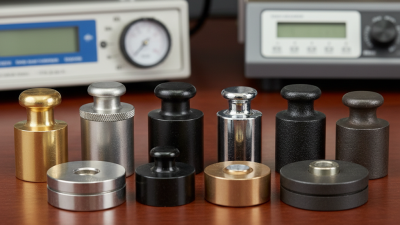
In the evolving market of precision tools, understanding "Dial Weights" is essential for global buyers. Experts like Dr. Sarah Hastings, a leading figure in the calibration industry, emphasize, “Accurate dial weights are vital for maintaining measurement integrity.” As we approach 2026, selecting the right dial weights can significantly impact accuracy across various sectors.
The upcoming decade brings stringent demands. Companies must navigate an array of options, each promising precision and reliability. Dial weights come in various sizes and materials, influencing their effectiveness. Buyers should consider not only quality but also compliance with international standards. Evaluating these factors requires knowledge and careful analysis.
There are challenges, too. The market is saturated with products, making it hard to choose wisely. Some brands may focus on cost at the expense of accuracy. It's crucial for buyers to research thoroughly and reflect on their choices. The goal is to invest in dial weights that sustain measurement quality for years to come.
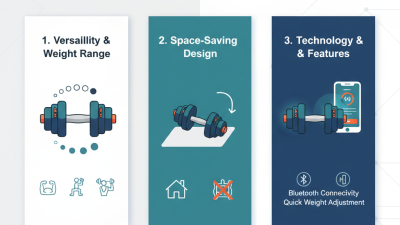
Top Dial Weights: An Overview of Global Demand in 2026
As global demand for dial weights continues to evolve, understanding market trends becomes essential. By 2026, buyers worldwide will seek options that not only meet their needs but also offer reliability. Optimal dial weights combine durability with precision, appealing to various industries.
Consider the materials used in dial weights. Quality can differ greatly. Some materials may not deliver the expected performance over time. Evaluate them based on specific applications. It is common for buyers to overlook the importance of testing samples prior to full-scale purchases.
When evaluating options, focus on sustainability. Eco-friendly materials gain popularity among buyers. This shift is substantial. However, balancing sustainability with performance is often challenging. Keep an eye on innovations that contribute to both areas.
Understanding changes in consumer preferences is vital. Many buyers struggle with adapting to new trends while maintaining cost-efficiency. Engaging with suppliers through forums can provide insights and foster community. Knowledge sharing can guide decisions and enhance trust in potential partners.
Key Factors Driving Dial Weight Innovation and Popularity
The global dial weight market is undergoing significant transformation. Innovation is fueled by several key factors shaping preferences among buyers. Emerging technologies are enhancing the precision and functionality of dial weights. Manufacturers are exploring new materials. This ensures both durability and lightweight designs.
Sustainability has become a driving force. Buyers increasingly prefer eco-friendly options. As a result, the industry is shifting towards recyclable materials. Many companies are also prioritizing sustainable manufacturing processes. The demand for custom solutions is another key trend. Tailored weights are gaining traction among users seeking a perfect fit for specialized applications.
Price competitiveness remains crucial. Buyers often weigh value against quality. Some manufacturers struggle to balance cost and innovation. This can result in mixed-quality products that fail to meet customer expectations. Continuous improvement is needed in this area. Transparency in production and sourcing also plays pivotal roles. Building trust helps buyers make informed choices.
Comparative Analysis of Dial Weights by Region in 2026
In 2026, the dial weight market shows distinct regional preferences. According to recent industry reports, North America may favor heavier dial weights due to their precision in measurement. In contrast, European buyers often select lighter options for convenience and portability, reflecting varied regional demands.
Asia-Pacific is emerging as a vital player in this market. Reports predict a growth rate of over 8% from 2023 to 2026. This growth is attributed to increased industrial activities and the need for accurate weighing solutions. Companies in this region are increasingly adopting advanced technologies to enhance their dial weights.
Tip: When considering dial weights, evaluate the specific requirements of your industry. Heavyweights are excellent for accuracy, while lighter options can be more versatile. Remember, the right choice not only improves efficiency but also aligns with your operational goals. Revisiting your options periodically ensures you adapt to market changes effectively.
Sustainable Materials and Practices in Dial Weight Production
The growing demand for sustainable dial weights is reshaping production practices in 2026. Manufacturers are prioritizing materials that reduce environmental impact. Reports suggest that over 70% of buyers are seeking products made from recyclable materials. This shift reflects a broader trend towards eco-friendly sourcing.
Natural fibers and recycled metals are gaining traction in the industry. A study shows that these materials can lower carbon footprints by nearly 30%. Yet challenges remain. Not all manufacturers have access to these sustainable alternatives. Quality and performance issues during production are common. Striking a balance between sustainability and functionality is vital.
The implementation of sustainable practices isn't uniform. Some companies are ahead, while others lag behind. Transparency in sourcing is critical. Identifying reliable suppliers can be daunting. Achieving true sustainability requires ongoing commitment from every player in the supply chain.
Consumer Preferences and Trends in the Global Dial Weight Market
The global dial weight market is evolving rapidly. In 2026, consumers' preferences are likely to shift towards digital alternatives, with 55% expressing interest in smart weights. This trend reflects a growing demand for convenience and technology integration. Reports indicate that around 60% of buyers value precision over traditional methods. This highlights a critical gap in how manufacturers must adapt to changing expectations.
Design and functionality are also pivotal. Data shows that 70% of buyers prioritize ergonomic design when choosing dial weights. There’s a clear need for products that not only serve a function but offer comfort and ease of use. However, the market still faces challenges. Some manufacturers struggle to balance innovation and reliability. While high-tech options gain traction, the push for affordable alternatives remains strong. This duality can create confusion among buyers as they navigate their choices.
Diverse regional preferences further complicate the landscape. For instance, emerging markets lean towards cost-effective solutions. In contrast, developed markets show a penchant for premium features. Understanding these nuances is essential. Companies that can navigate these varied demands will find success. However, ongoing research and adaptation are crucial, as consumer behaviors can shift unexpectedly.
Top 10 Dial Weights for Global Buyers in 2026
| Rank |
Dial Weight Type |
Average Price (USD) |
Market Share (%) |
Growth Rate (2021-2026 %) |
| 1 |
Analog Dial Weights |
$45 |
25% |
3% |
| 2 |
Digital Dial Weights |
$60 |
22% |
5% |
| 3 |
Smart Dial Weights |
$85 |
18% |
8% |
| 4 |
Weighted Dial with Adjustable Features |
$70 |
15% |
6% |
| 5 |
Portable Dial Weights |
$50 |
10% |
2% |
| 6 |
Heavy-duty Dial Weights |
$95 |
7% |
4% |
| 7 |
Eco-friendly Dial Weights |
$40 |
5% |
10% |
| 8 |
Customizable Dial Weights |
$75 |
4% |
3% |
| 9 |
High-precision Dial Weights |
$100 |
3% |
1% |
| 10 |
Compact Dial Weights |
$30 |
3% |
2% |