

Company News
Adjustable dumbbell strength factory



0102030405
How Fitness Subscriptions Boost Dumbbell Sales: Key Insights
2026-06-18
In the global fitness market, a prominent trend is reshaping the logic of hardware sales: consumers no longer merely buy a piece of equipment—they are subscribing to a fitness experience. From smart exercise bikes to digital strength training, fitness content subscription services have evolved from add-on features to a core driving force, profoundly influencing sales models and market dynamics for traditional strength equipment including Adjustable Dumbbells and kettlebells.
For global buyers, understanding the underlying logic and market data of this trend is critical to shaping product strategies and procurement decisions.
1. Market Trend: The Subscription Economy Is Reshaping Fitness Hardware Value
The global wellness economy now exceeds $15 trillion**, with the digital fitness sector growing at over **25% annually** and surpassing **$30 billion in total value. Central to this growth is the business model shift from one-off hardware sales to recurring service subscriptions.
Industry data reveals that health and fitness app revenue reached a record $5.98 billion in 2025, representing a 17.7% year-over-year increase, compared to just 2.8% growth for overall industry revenue, with hardware sales largely stagnating. This clearly shows that consumer spending is rapidly shifting toward content and services. As industry analysis confirms, the future of the fitness industry is subscription-first, not hardware-dominated.
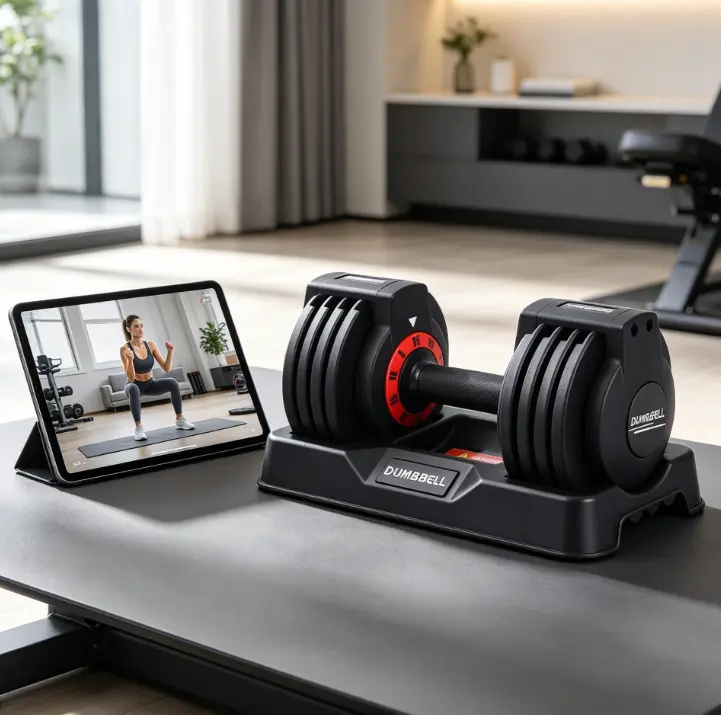
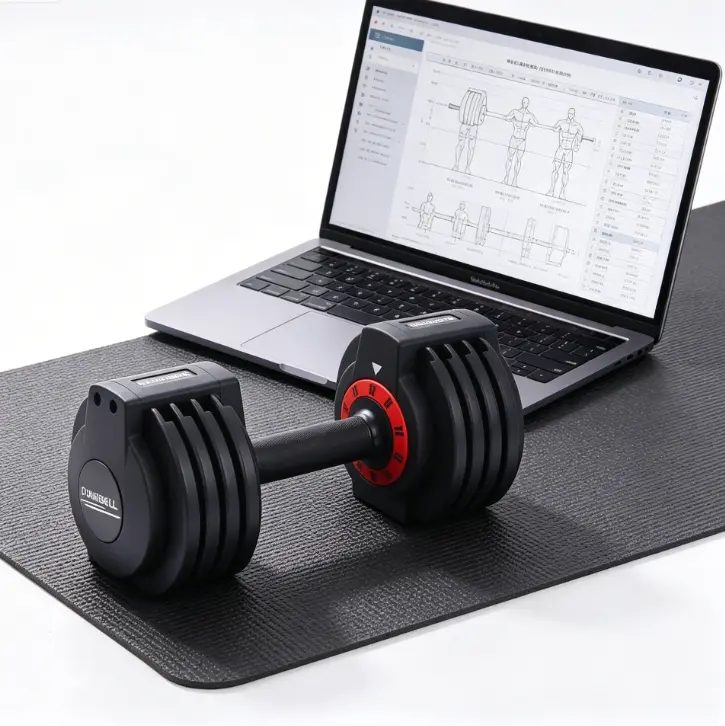
For home dumbbells, Adjustable Dumbbell Racks, and similar products, this means they are no longer sold as standalone devices. Instead, they are increasingly integrated with digital fitness plans and structured workout programs.
Take Echelon as an example: starting with indoor cycling bikes, the brand has expanded into a full ecosystem including strength training (such as its Strength Pro line). After purchasing hardware, users can subscribe to the Echelon Fit Premier membership (approximately $420 per year) for unlimited live and on-demand classes.
2. Key Findings: How Subscription Services Convert into Hardware Sales Momentum
2.1 Hardware as the "Entry Point", Subscriptions as the "Profit Engine"
In connected fitness, the razor-and-blade model is firmly established: hardware yields a profit margin of roughly 20–40%, while subscription content delivers a gross margin of 70–85%. Hardware serves as the user acquisition channel, and subscription services act as the long-term profit engine.
This model directly drives sales of compatible equipment—consumers strongly prefer fitness gear that works with popular training apps.
A prime example is Peloton: its service revenue now exceeds hardware revenue by more than double, proving that ongoing content updates retain users better than hardware lifecycles. When fitness content recommends strength training, full-body dumbbell sculpting, and similar programs, user motivation to purchase or upgrade adjustable dumbbells rises significantly.
2.2 Boosting User Retention & Repeat Purchase Intent
Research shows that digital fitness participation is driven primarily by privacy preferences, established workout habits, and cost efficiency. Subscription services enhance long-term commitment through structured, community-driven, and gamified training experiences.
Data from Echelon indicates that AI personalized training is expected to improve user retention by 7%.
This engagement directly influences repeat buying behavior. Fitness consumers show some of the strongest repeat purchase patterns: many users upgrade their gear, buy sets, or invest in premium kits as their training progresses. For buyers, this means adjustable dumbbell sets, dumbbell-kettlebell combinations, and other products paired with content services deliver higher customer lifetime value.
2.3 Reducing Price Sensitivity & Creating Added Value
Cost comparisons show that while the first-year investment in connected fitness (including hardware) is similar to a traditional gym membership, the at-home subscription model saves users $400–$1,500 annually starting in the second year. This perception of long-term value increases consumer willingness to pay for high-quality, durable fitness hardware.
More importantly, subscription services transform fitness equipment from "cold metal weights" into smart training partners. The variety of workout plans, progress tracking, and community support create meaningful added value—an important driver behind rising demand for accessories like adjustable dumbbell racks in home fitness settings.
3. Procurement Insights: Seizing Content-Driven Product Opportunities
Based on these trends, buyers evaluating dumbbell suppliers should prioritize the following criteria:
- Product & Content Compatibility Is the adjustable dumbbell designed to integrate seamlessly with app-based training (e.g., quick weight adjustment for HIIT workouts)? Does the product support data connectivity or interactive features?
- Systematic Product Bundling Individual dumbbells are losing competitive edge, while complete dumbbell systems (including dumbbells, kettlebells, racks, and training guides) align much better with subscription-based sales models.
- Target Market Positioning Brands that own or partner with fitness content platforms typically show more stable procurement demand. Sales data also links peak demand (from Black Friday through the New Year) to New Year’s fitness resolutions, where subscription services strongly accelerate hardware sales.
Conclusion
Fitness content subscriptions have shifted from a niche trend to a dominant market force. By redefining hardware value, boosting user loyalty, and improving cost perception, they have created new sales scenarios and growth opportunities for strength equipment such as adjustable dumbbells.
For buyers, embracing the hardware + service integration trend and selecting products built for this ecosystem will be a decisive step toward capturing global market share.