

knowledge
Adjustable dumbbell strength factory

0102030405
Essential Compliance for Fire-Rated Doors in Commercial Spaces
2026-07-20
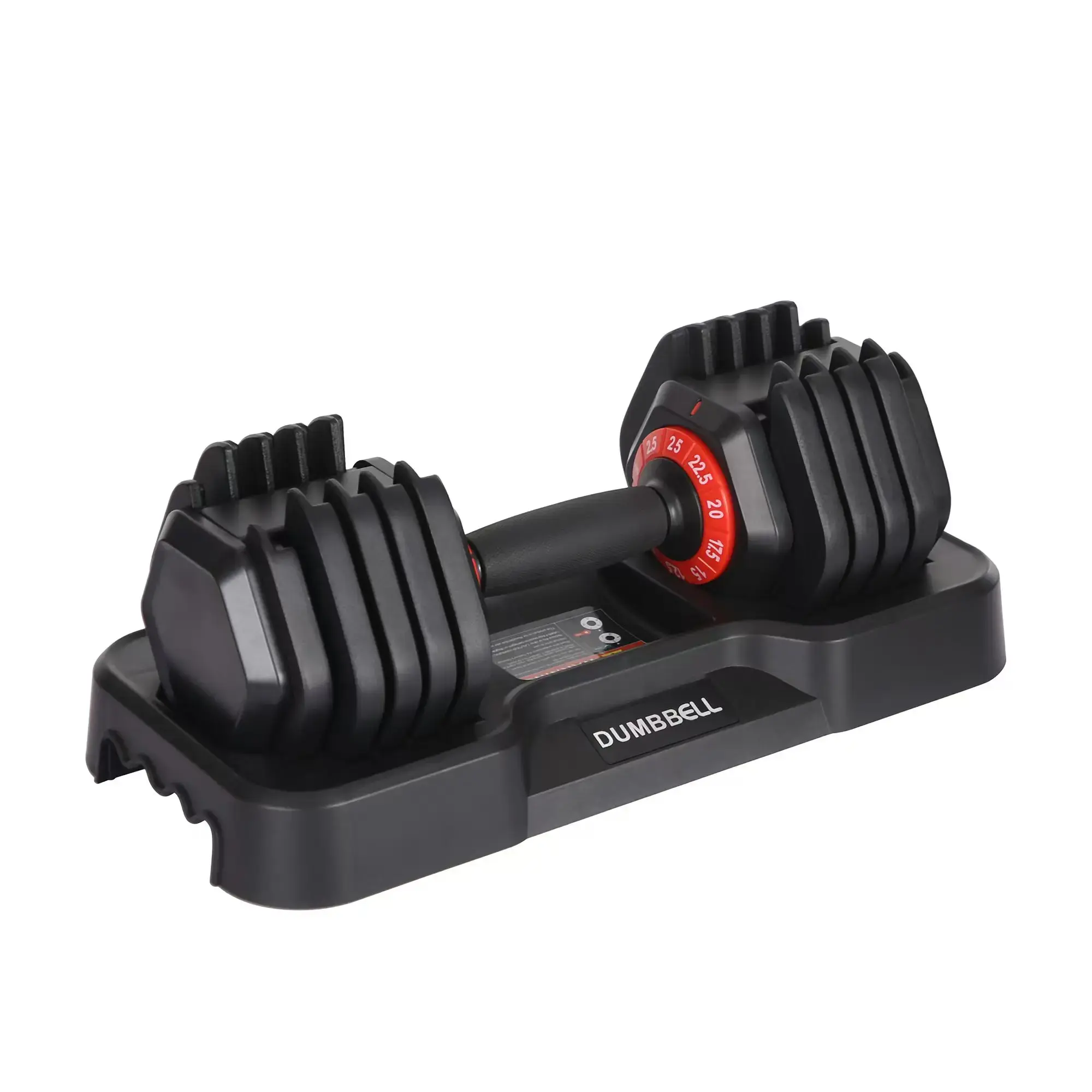
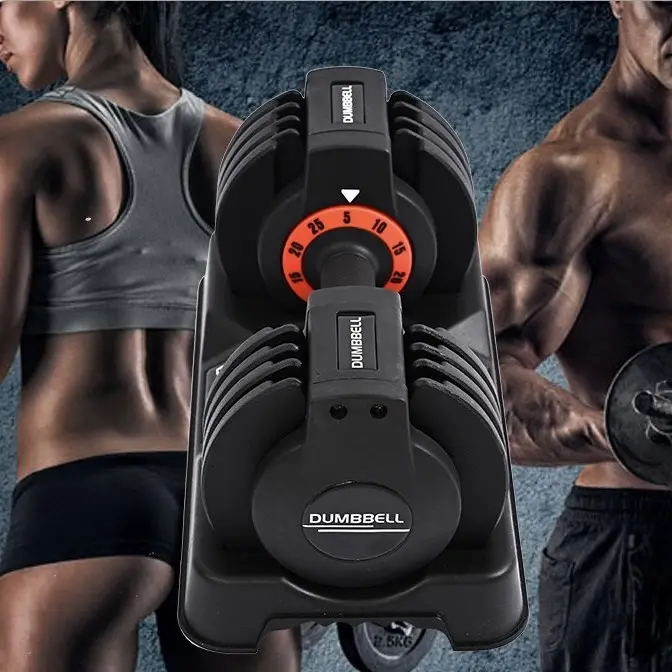
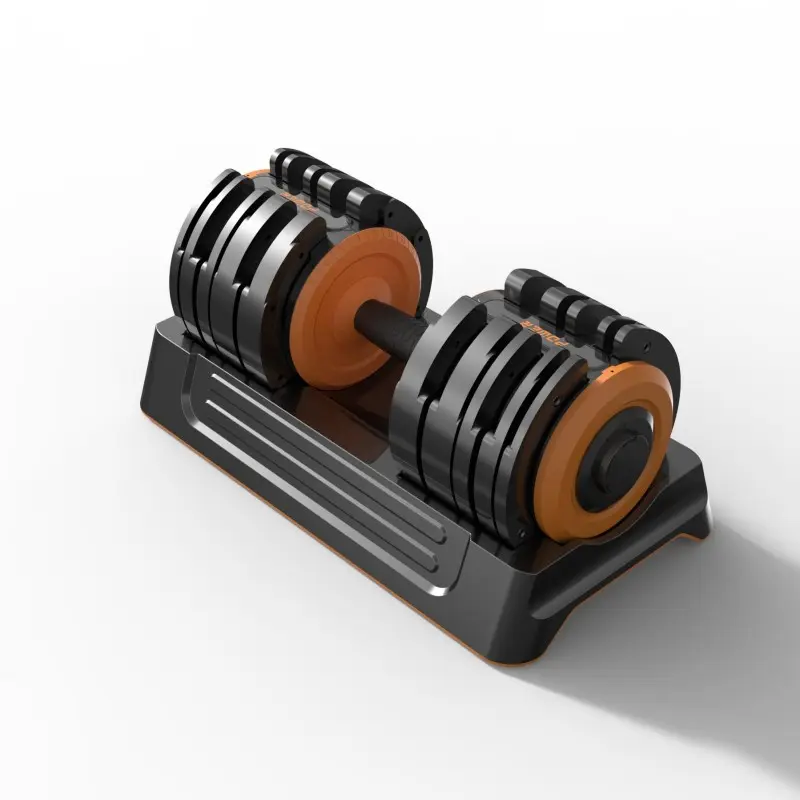
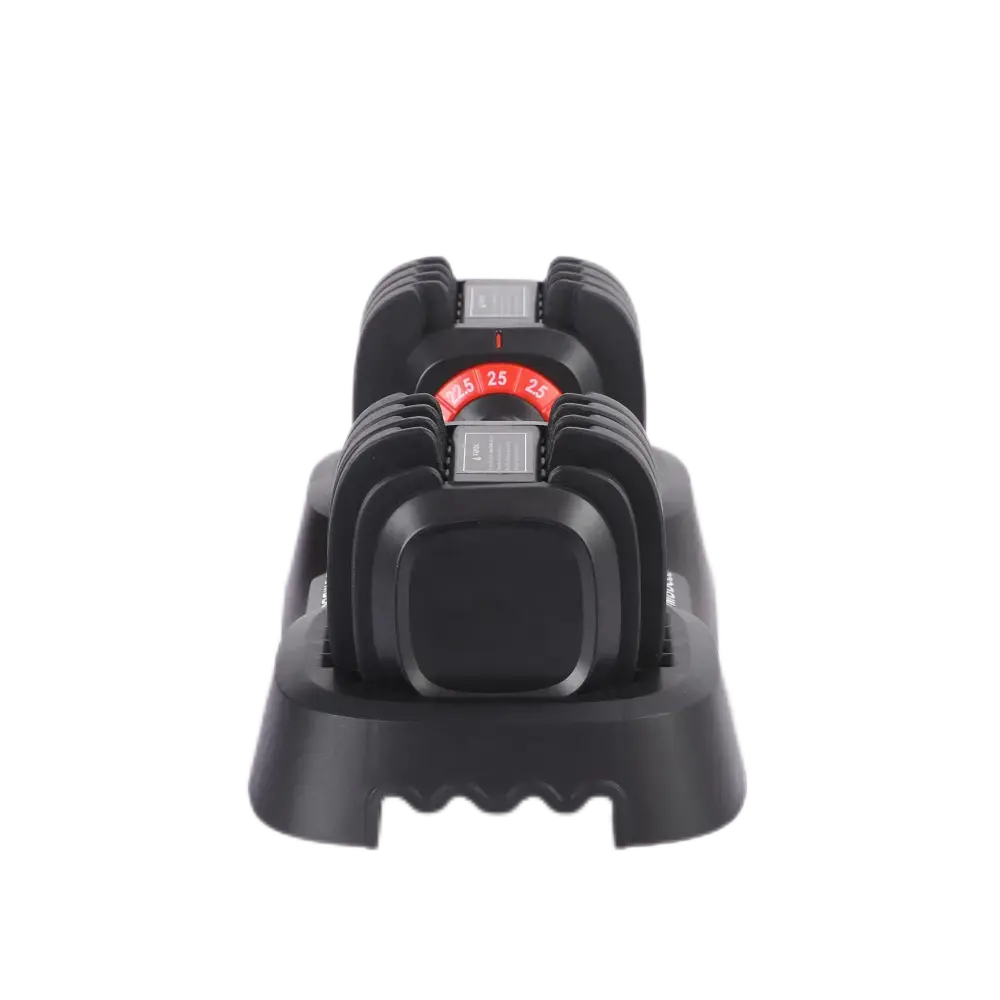
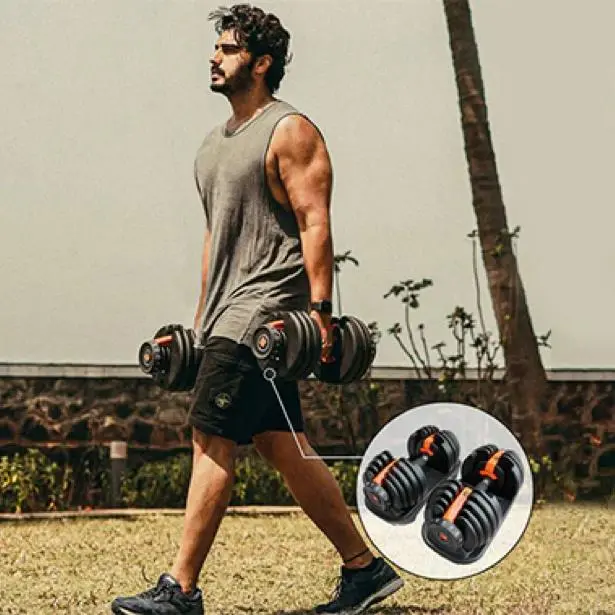
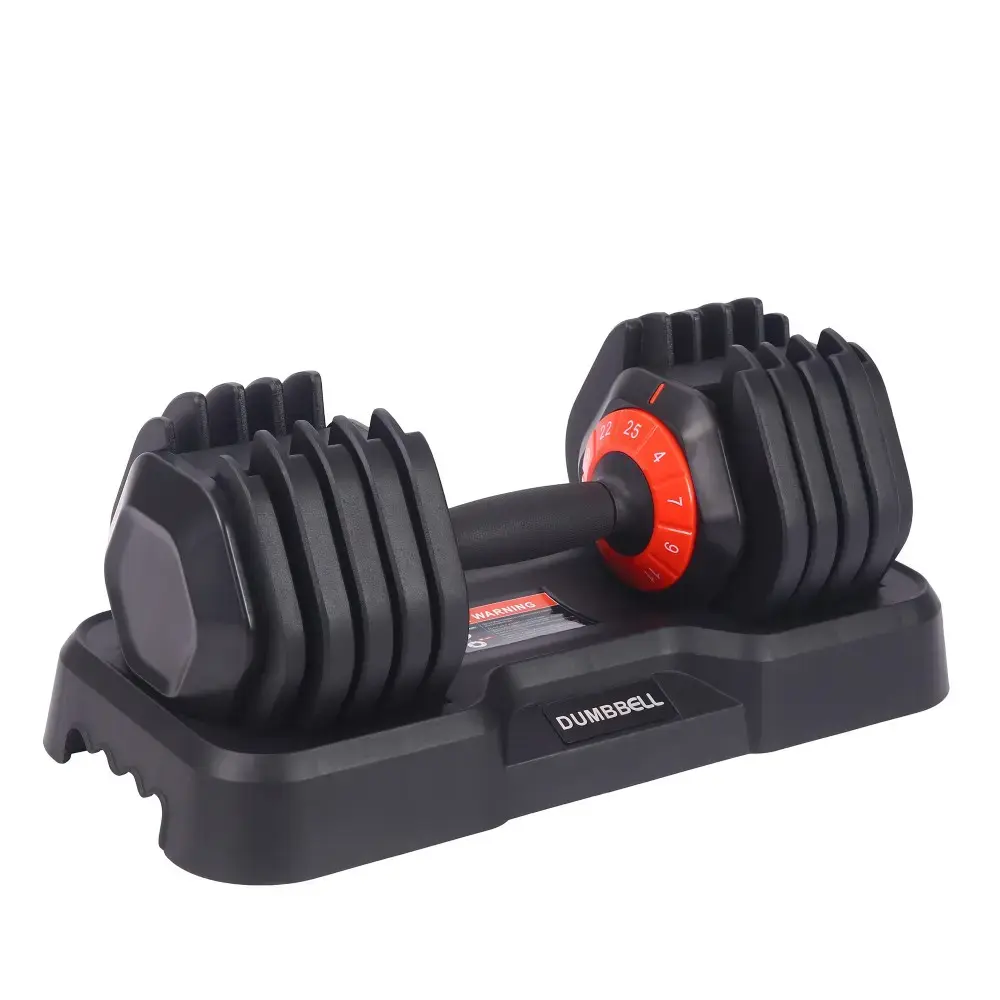
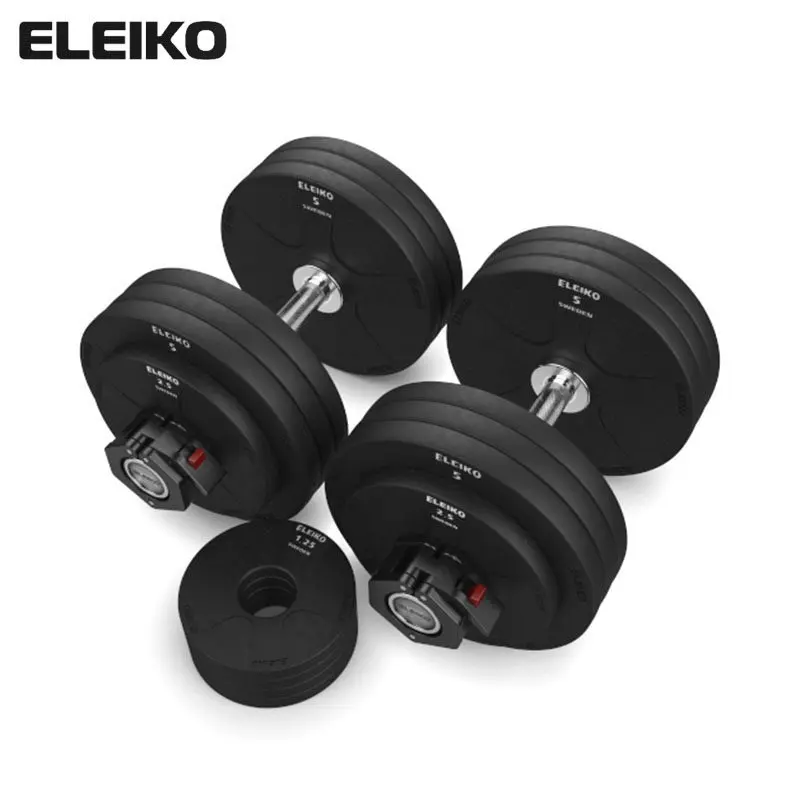
In the global distribution and retail of fitness equipment, purchasers regularly face significant seasonal demand fluctuations each year. Home and commercial strength training equipment—including Adjustable Dumbbells, cast iron adjustable dumbbell racks, and Adjustable Weight Dumbbells & kettlebells—typically sees order surges during New Year’s fitness resolutions, year-end holiday shopping seasons, and key promotional periods. Ensuring astable supply chain during peak seasons, avoiding lost sales from stockouts, and preventing capital tie-up from excess inventory are top priorities for international buyers. This article explores a systematic approach to addressing seasonal fitness equipment peak demand across four core areas: demand forecasting, production capacity collaboration, logistics optimization, and risk control.
Demand Forecasting & SKU Classification Based on Historical Data
Accurate demand sensing is the foundation of stable supply. Purchasers should work with suppliers to analyze 3–5 years of sales trends and identify seasonal indexes for adjustable dumbbell and kettlebell categories. Peak windows vary by region: North America experiences strong Q1 demand driven by New Year’s resolutions, while some European markets see a secondary peak during the back-to-school season in autumn.
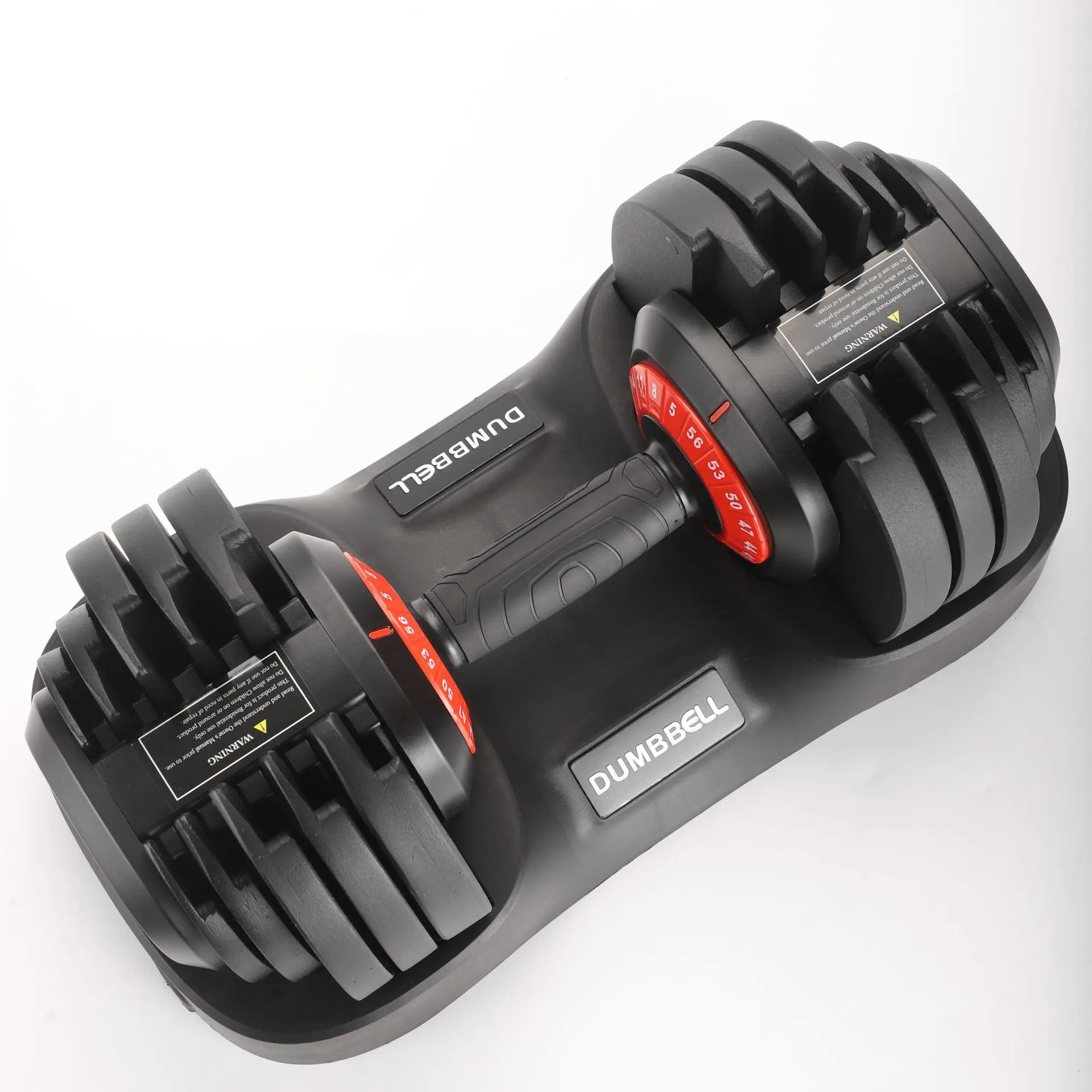
SKU tiered management is critical in this process. Classify fast-moving bestsellers such as 25KG/55LB adjustable dumbbells alongside slow-moving accessories like cast iron dumbbell racks. Set higher safety stock levels and service targets for core SKUs, while adopting a pull-based replenishment model for long-tail specifications. By differentiating inventory strategies between core products and seasonal products, purchasers can maintain high in-stock rates while optimizing cash flow.
Capacity Reservation & Flexible Production Collaboration
Fitness equipment—especially variable dumbbells with precision mechanical structures—involves multiple production stages including metal casting, machining, surface treatment, and assembly, resulting in a production lead time of several weeks to months. Securing production capacity ahead of peak season is essential for on-time delivery.
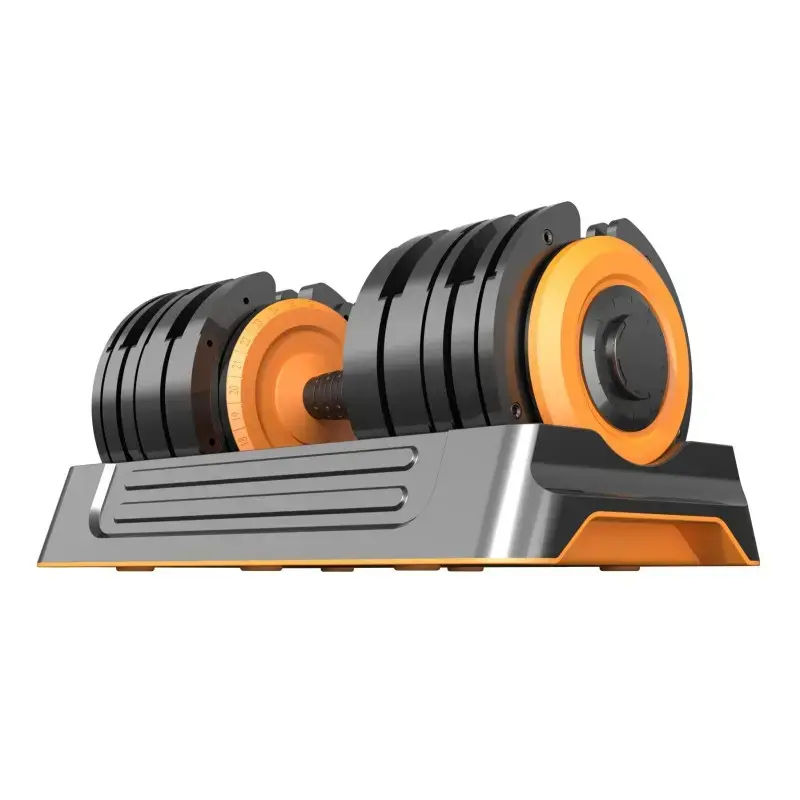
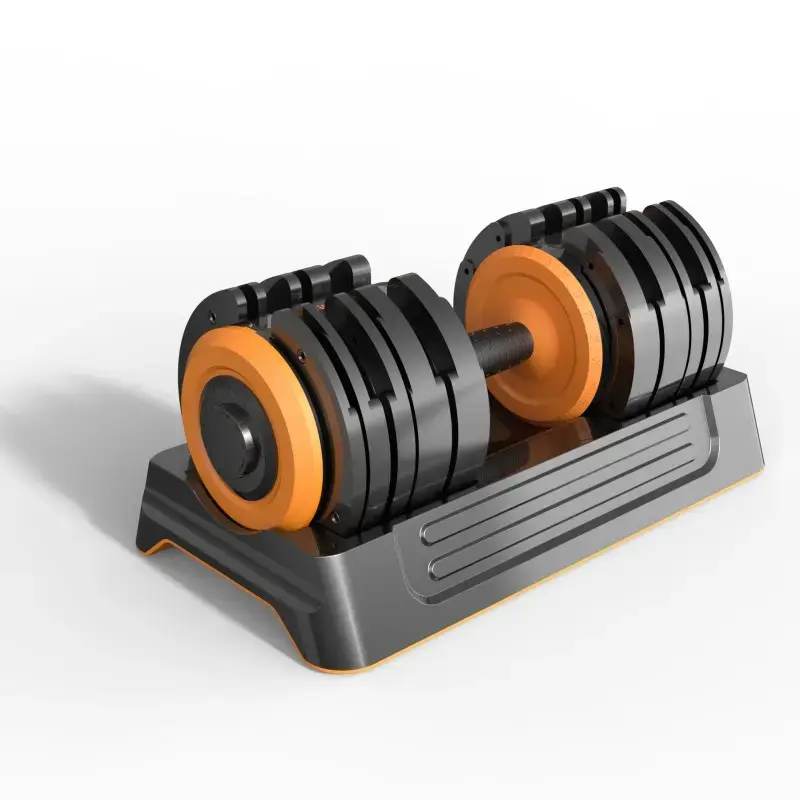
Mature supply chain solutions include signing advance production commitments with manufacturers to reserve production lines and secure key raw materials such as steel and engineering plastics. For patented products such as dual-adjustment system equipment, higher process complexity requires earlier evaluation of suppliers’ maximum production capacity. Implementing a flexible supplier network and multi-sourcing strategy prevents delays caused by overloaded single-source production. Meanwhile, a small-batch, high-frequency replenishment model allows suppliers to respond nimbly to market changes, reducing the buyer’s burden of large-volume pre-stocking.
Forward Warehousing & Diversified Logistics Routes
Fitness equipment is generally bulky and heavy, with shipping and last-mile delivery costs for dumbbell racks and multi-set dumbbell packages significantly impacting profit margins. To mitigate port congestion and capacity shortages during peak periods, purchasers should adopt a regional inventory pooling strategy: deploying safety stock in advance via overseas warehouses or third-party logistics centers in key sales markets.
Shipping popular adjustable weight kettlebells to target regional warehouses during off-peak seasons enables fast local fulfillment in peak periods, shortens lead times, and reduces reliance on costly emergency air freight. Developing a multi-modal shipping plan—combining cost-efficient ocean freight and time-sensitive air freight—and securing peak-season container space with carriers in advance are effective ways to avoid logistics bottlenecks. For large heavy goods, optimizing package dimensions to lower chargeable weight is also key to supply chain cost reduction.
Dynamic Safety Stock & Tech-Driven Transparent Management
Static inventory models often fail under seasonal volatility. Introducing a dynamic safety stock calculation model—integrating demand standard deviation and supplier lead time volatility—allows more scientific buffer inventory settings. For high-value automatic adjustable dumbbells, overstocking carries considerable risk; deeper collaboration through vendor managed inventory (VMI) or shared sales forecasts enables factories to replenish based on actual consumption.
End-to-end visibility via integrated supply chain management tools allows real-time monitoring from raw material intake to finished goods dispatch, helping purchasers quickly identify bottlenecks during sudden demand spikes. Additionally, establishing contingency planning—including alternative packaging, emergency transport channels, and reverse logistics capabilities—improves supply chain resilience against disruptions such as extreme weather or unplanned production halts.
Conclusion
Managing seasonal peak demand is ultimately about balancing service levels and cost efficiency. Through proactive inventory planning, tightly coordinated production capacity, distributed warehousing, and data-driven collaborative management, purchasers can build a more resilient supply network. This ensures stable sourcing of adjustable dumbbells and complementary equipment during demand surges, capturing market opportunities and driving sustainable business growth.