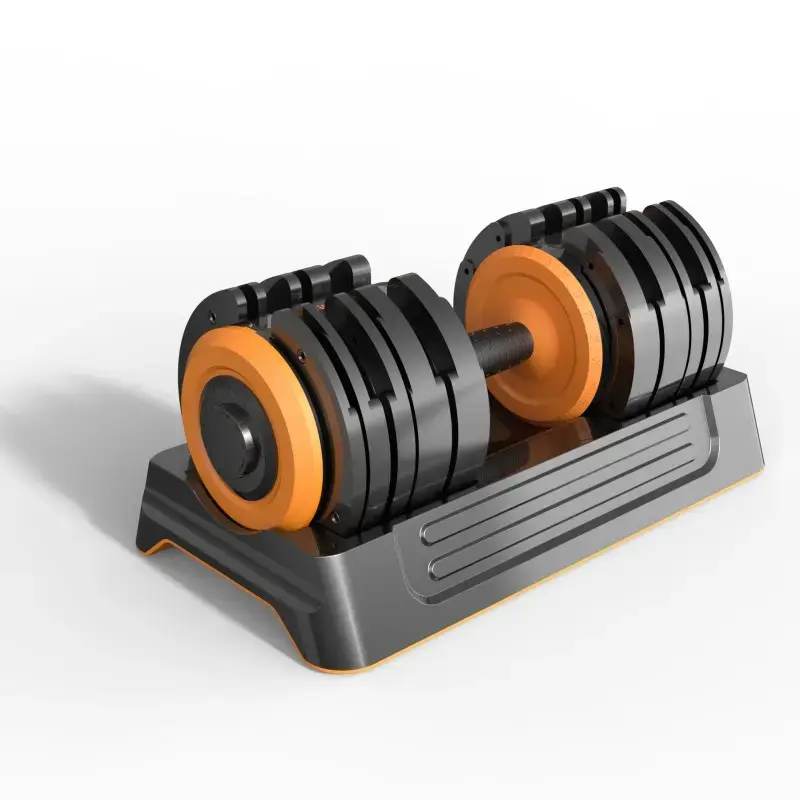
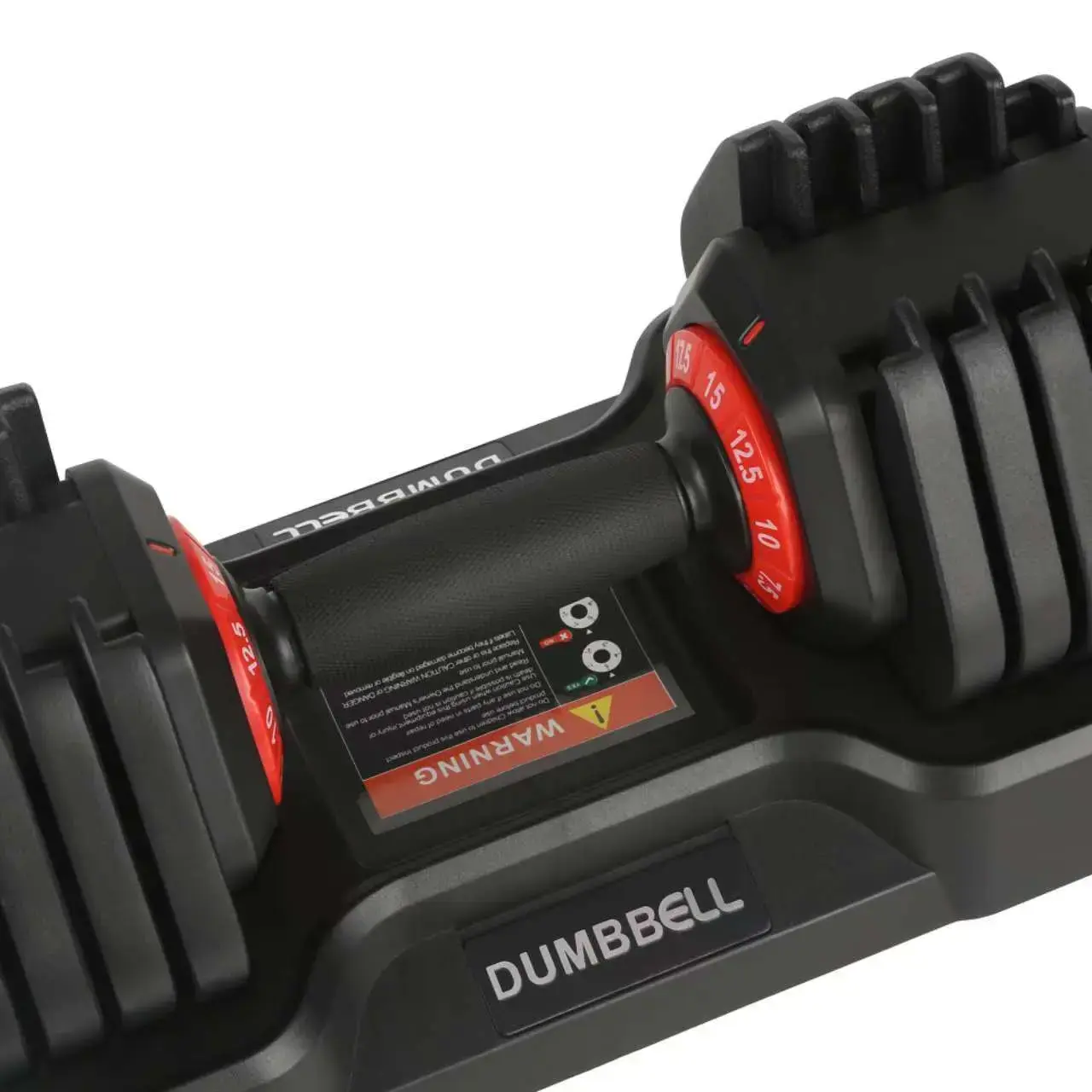
Adjustable dumbbell strength factory



Key KPIs to Evaluate Long-Term Fitness Equipment Wholesale Partners
Finding reliable key kpis to evaluate long-term fitness equipment wholesale partners can feel like searching for a needle in a haystack. Between exaggerated marketing claims and factories that look impressive online but deliver inconsistent quality, buyers face a real challenge. Here is the practical framework that sourcing agents use to separate genuine manufacturers from middlemen.
Market Overview
The global market for fitness equipment has shifted significantly over the past decade. China now hosts the world's largest concentration of manufacturers, ranging from small workshops to massive industrial parks capable of producing tens of thousands of units per month.
For international buyers, this means more options — but also more complexity. The challenge is not finding a supplier; it is finding the right supplier. This guide focuses on the practical steps that experienced procurement teams use to identify, verify, and partner with reliable manufacturers.
What to Look for in a Supplier
A trustworthy fitness equipment supplier stands out in several measurable ways:
Documented production capacity: They can tell you their monthly output, number of production lines, and typical lead times without hesitation.
Certification transparency: They proactively share ISO, CE, RoHS, or other relevant certificates and can explain what each one means for your market.
Communication quality: They respond within 24 hours, answer questions specifically (not with generic marketing copy), and are willing to arrange video calls or factory tours.
Export experience: They have shipped to your region before and understand the documentation requirements, Incoterms, and customs procedures.

Verification Steps
Once you have identified potential suppliers, verification is the next critical step:
Request a video factory tour. Ask the supplier to walk you through their production lines, QC stations, and warehouse via video call. This takes 30 minutes and reveals more than weeks of email exchanges.
Check business registration. Use the supplier's business license number to verify their registration on official government databases. Confirm the registered address matches their claimed facility.
Order a sample. A sample lets you evaluate material quality, finish, packaging, and labeling firsthand. It also tests the supplier's ability to deliver on time.
Commission a third-party audit. Agencies like SGS, TUV, or Bureau Veritas can conduct on-site factory audits for $300-$800. This is the gold standard for supplier verification.
Quality Standards and Certifications
Quality assurance is non-negotiable when importing fitness equipment from overseas. At minimum, your supplier should hold ISO 9001 certification for quality management.
Product-specific certifications depend on your destination market and product type. Common requirements include:
• CE marking for products sold in the European Economic Area
• FCC certification for electronic products sold in the United States
• RoHS compliance for products containing electronic components
• FDA compliance for food-contact materials and medical devices
Always request copies of certificates and verify that the factory name matches. Expired or transferred certificates are a common red flag.
Cost Structure and MOQ
Understanding the cost structure helps you negotiate effectively and avoid surprises:
A typical FOB price consists of raw materials (40-55%), labor (15-25%), overhead (10-15%), packaging (5-8%), and supplier margin (10-15%).
MOQ (Minimum Order Quantity) is a key negotiation point. Many factories will reduce MOQ by 30-50% for a first-time order to establish the relationship, or in exchange for a small unit price premium.
Build a complete landed-cost model: unit price + tooling + packaging + inland freight + sea/air freight + customs duties + inspection fees. Many importers underestimate total cost by 20-30%.

Building a Long-Term Partnership
Once you have found a reliable supplier, investing in the relationship pays compounding returns:
Repeat buyers typically receive 5-15% price reductions after three to five orders, priority production scheduling during peak seasons, and early access to new product lines.
Schedule quarterly reviews to discuss market trends, demand forecasts, and product improvements. The more your supplier understands your business, the better they can support it.
Be a good customer too. Pay on time, provide clear specifications, and give reasonable lead times. Suppliers prioritize clients who are easy to work with.
Our Product Range
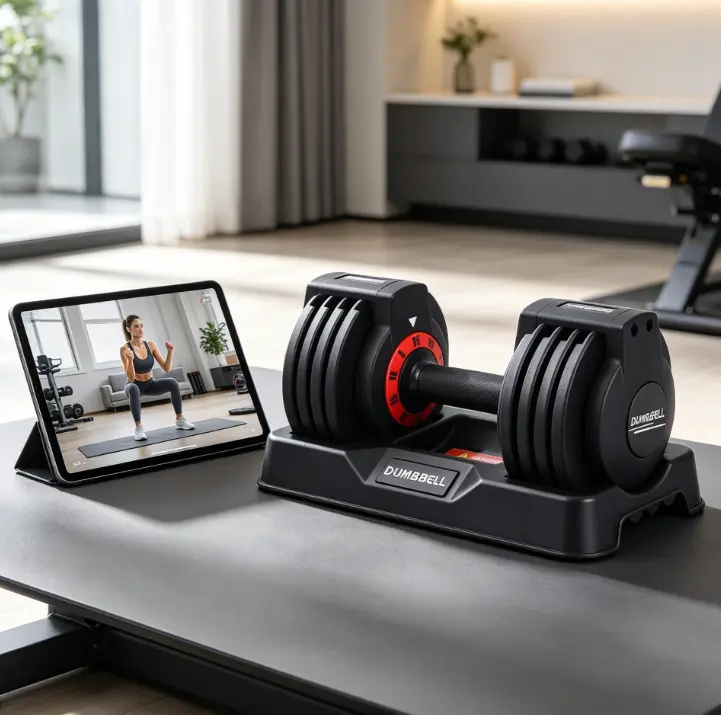
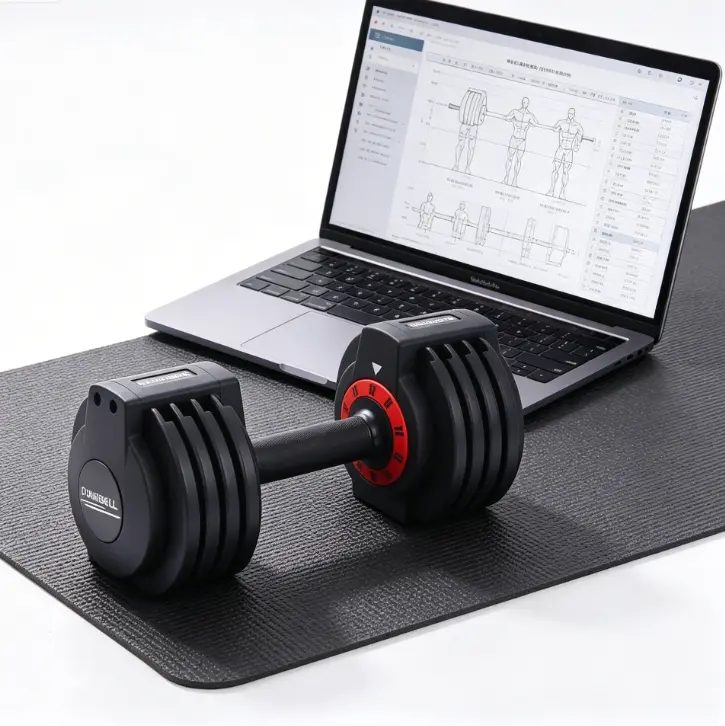
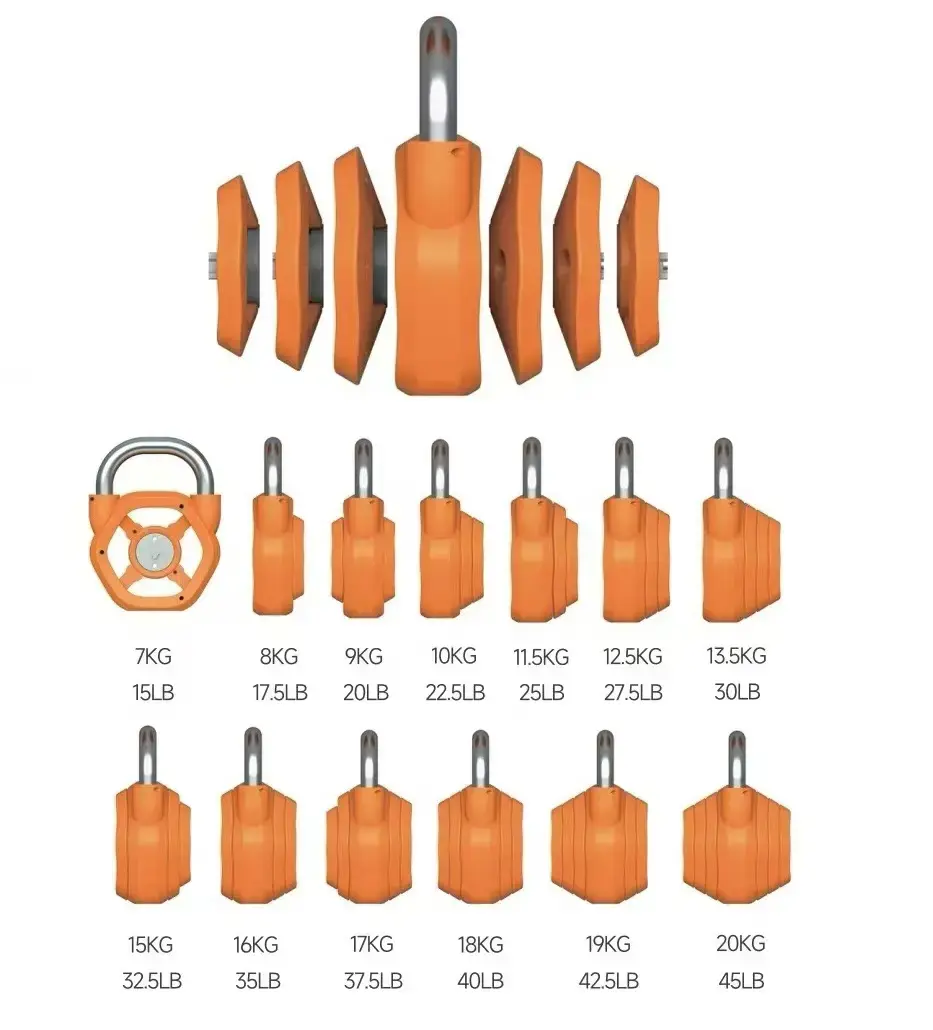
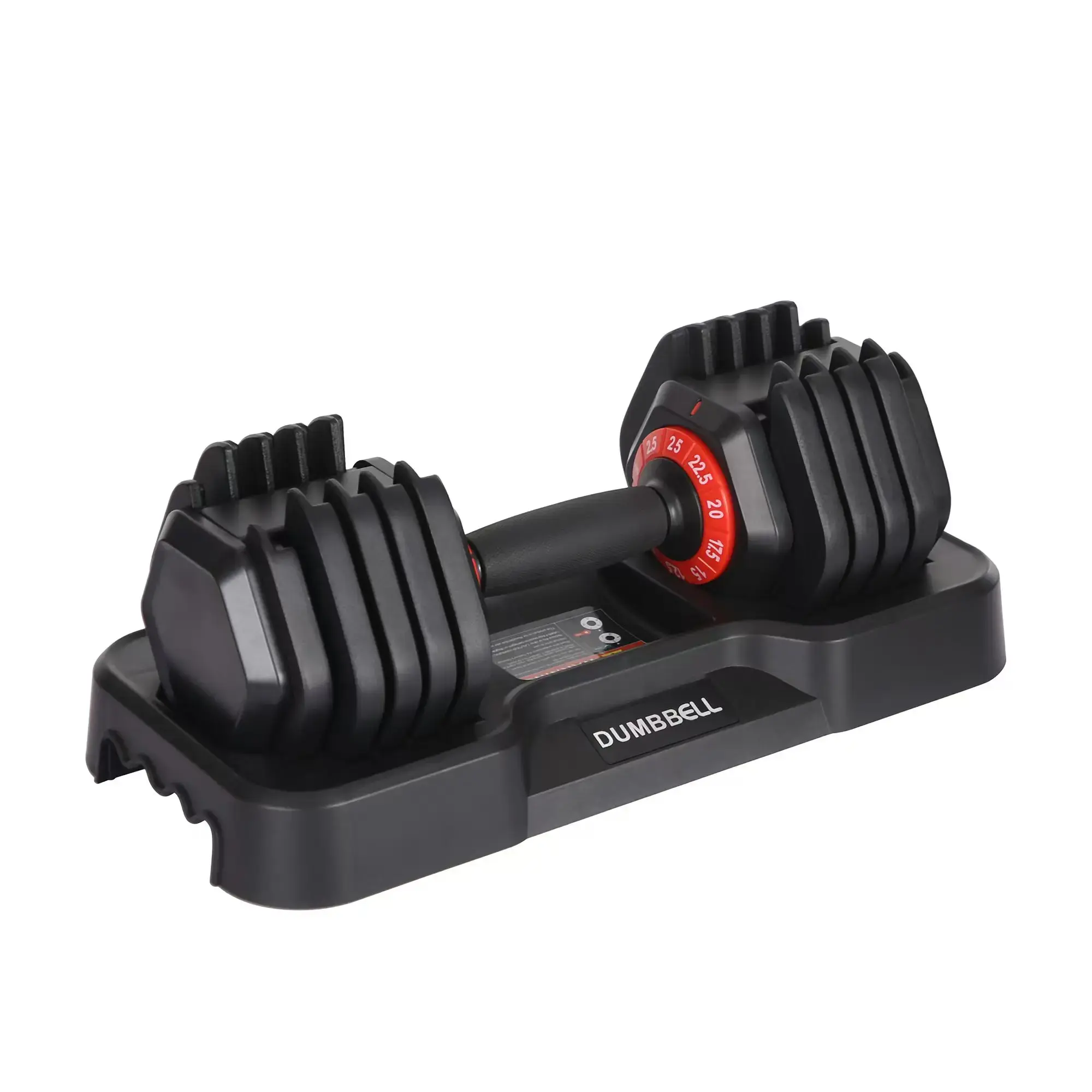
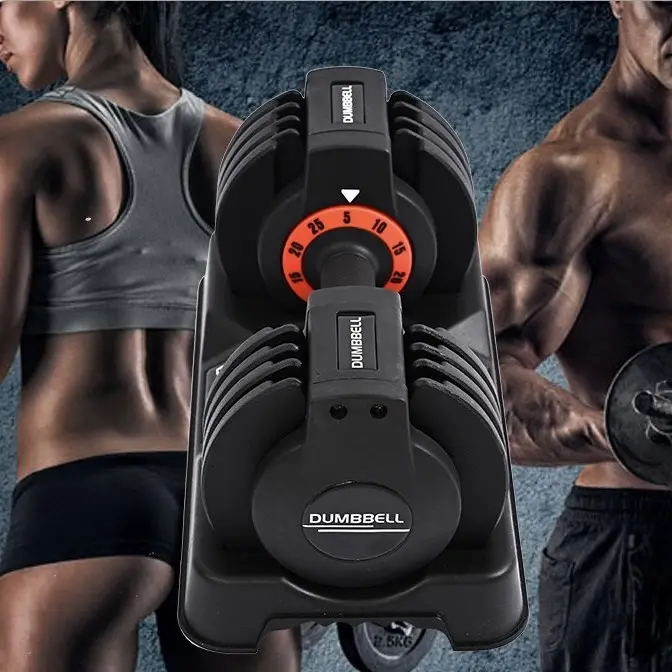
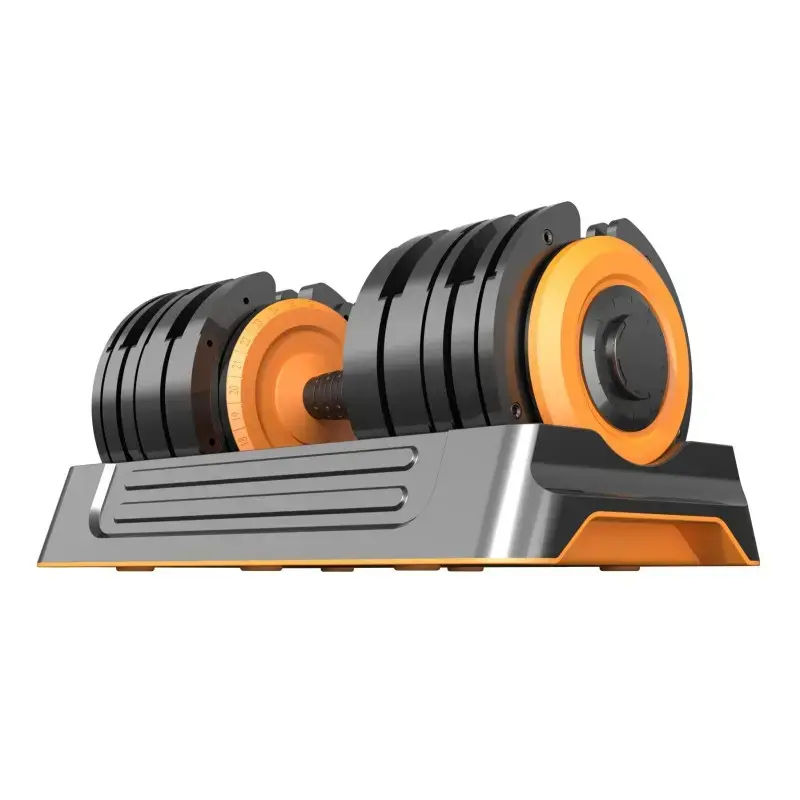
The following products are directly relevant to key kpis to evaluate long-term fitness equipment wholesale partners. Click through for detailed specifications, pricing, and ordering information:
Product Catalog:
Sourcing Notes
Sample economics: Samples typically cost $50-$200 plus shipping. Some suppliers credit this against your first bulk order, which lowers the effective cost of evaluation.
Raw material locking: For commodities-sensitive products, negotiate a raw material price ceiling. This protects both parties from sudden spikes in metal, plastic, or energy costs.
Frequently Asked Questions
Q1: What should I look for when buying key kpis to evaluate long-term fitness equipment wholesale partners?
Focus on three things: material quality (request material grade specifications), certification compliance (ensure certificates match your market requirements — CE, RoHS), and supplier reputation (check export experience and request references from buyers in your region).
Q2: How do I verify a supplier before placing a bulk order?
Request a video factory tour, ask for business license and certification copies, order a product sample, and commission a third-party audit (SGS, TUV) for high-value orders. These steps catch most common supplier issues before you commit.
Q3: What is the typical lead time for Adjustable Dumbbell?
Standard products: 15-30 days. Custom products: 30-45 days. Tooling for new designs adds 15-30 days. Sea freight to North America or Europe takes 25-40 days. Plan your ordering schedule accordingly.
Q4: What payment terms are standard?
The most common terms are 30% deposit with 70% balance against bill of lading copy. For larger orders ($50,000+), consider a letter of credit. New relationships may require 50% deposit until trust is established.
Q5: Can I get custom branding on key kpis to evaluate long-term fitness equipment wholesale partners?
Yes. Most manufacturers offer OEM/ODM services including logo printing, custom packaging, and private labeling. Minimum order quantities for customization typically range from 500 to 1,000 units depending on the complexity.
Conclusion
Remember: the cheapest quote is rarely the best value. Factor in quality consistency, communication responsiveness, lead-time reliability, and after-sales support when making your decision. Ready to start? Browse our catalog or send us your inquiry — our experienced team will help you find exactly what you need.