Adjustable dumbbell strength factory



Supplier After-Sales Service Standard for Wholesale Dumbbells
If you are reading this, you probably need supplier after-sales service standard for wholesale dumbbells and want to get it right the first time. Good. This guide was written specifically for buyers who care about quality, value, and long-term supplier relationships, not just the lowest price on a spreadsheet.
Market Overview
The global market for fitness equipment has shifted significantly over the past decade. China now hosts the world's largest concentration of manufacturers, ranging from small workshops to massive industrial parks capable of producing tens of thousands of units per month.
For international buyers, this means more options, but also more complexity. The challenge is not finding a supplier; it is finding the right supplier. This guide focuses on the practical steps that experienced procurement teams use to identify, verify, and partner with reliable manufacturers.
What to Look for in a Supplier
Evaluating a fitness equipment supplier requires looking beyond the website. Here are the factors that matter most:
Years in export: A factory that has been exporting for 5+ years has likely encountered and resolved most common issues.
Production specialization: Factories that focus on a specific product category usually deliver better quality than generalists.
Financial stability: Request a credit report or bank reference. A supplier in financial distress may cut corners on materials or delay shipments.
After-sales policy: Clear warranty terms, return policies, and replacement procedures indicate a supplier who stands behind their products.
Verification Steps
Once you have identified potential suppliers, verification is the next critical step:
Request a video factory tour. Ask the supplier to walk you through their production lines, QC stations, and warehouse via video call. This takes 30 minutes and reveals more than weeks of email exchanges.
Check business registration. Use the supplier's business license number to verify their registration on official government databases. Confirm the registered address matches their claimed facility.
Order a sample. A sample lets you evaluate material quality, finish, packaging, and labeling firsthand. It also tests the supplier's ability to deliver on time.
Commission a third-party audit. Agencies like SGS, TUV, or Bureau Veritas can conduct on-site factory audits for $300-$800. This is the gold standard for supplier verification.
Quality Standards and Certifications
Quality assurance is non-negotiable when importing fitness equipment from overseas. At minimum, your supplier should hold ISO 9001 certification for quality management.
Product-specific certifications depend on your destination market and product type. Common requirements include:
CE marking for products sold in the European Economic Area
FCC certification for electronic products sold in the United States
RoHS compliance for products containing electronic components
FDA compliance for food-contact materials and medical devices
Always request copies of certificates and verify that the factory name matches. Expired or transferred certificates are a common red flag.
Cost Structure and MOQ
Understanding the cost structure helps you negotiate effectively and avoid surprises:
A typical FOB price consists of raw materials (40-55%), labor (15-25%), overhead (10-15%), packaging (5-8%), and supplier margin (10-15%).
MOQ (Minimum Order Quantity) is a key negotiation point. Many factories will reduce MOQ by 30-50% for a first-time order to establish the relationship, or in exchange for a small unit price premium.
Build a complete landed-cost model: unit price + tooling + packaging + inland freight + sea/air freight + customs duties + inspection fees. Many importers underestimate total cost by 20-30%.
Building a Long-Term Partnership
Once you have found a reliable supplier, investing in the relationship pays compounding returns:
Repeat buyers typically receive 5-15% price reductions after three to five orders, priority production scheduling during peak seasons, and early access to new product lines.
Schedule quarterly reviews to discuss market trends, demand forecasts, and product improvements. The more your supplier understands your business, the better they can support it.
Be a good customer too. Pay on time, provide clear specifications, and give reasonable lead times. Suppliers prioritize clients who are easy to work with.
Our Product Range
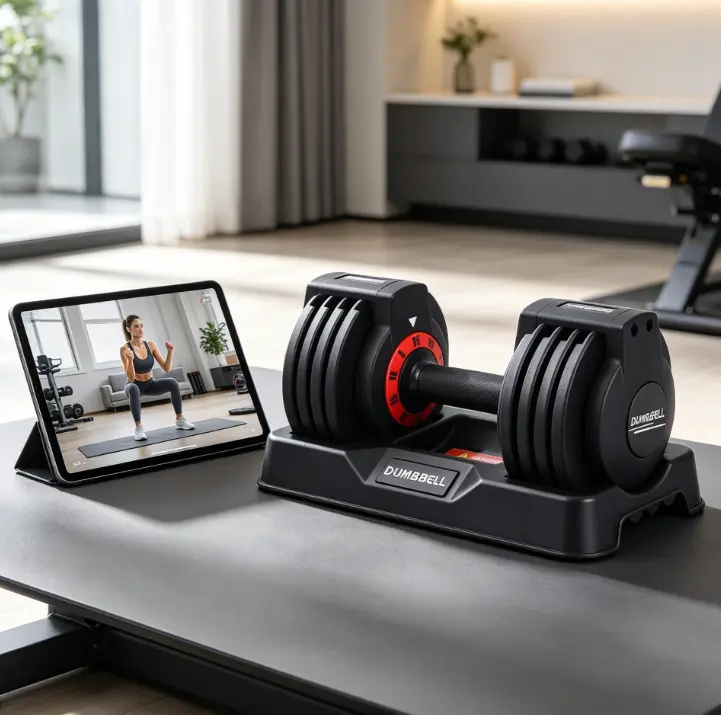
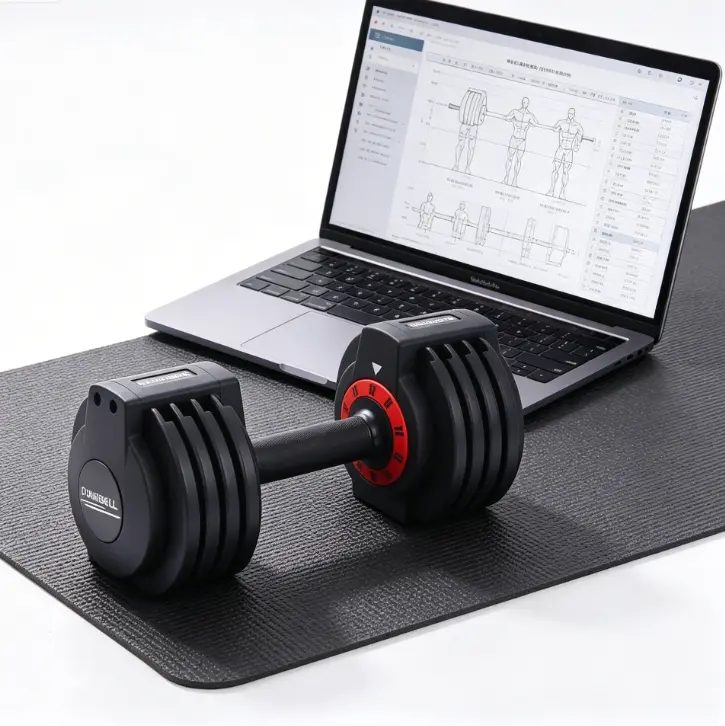
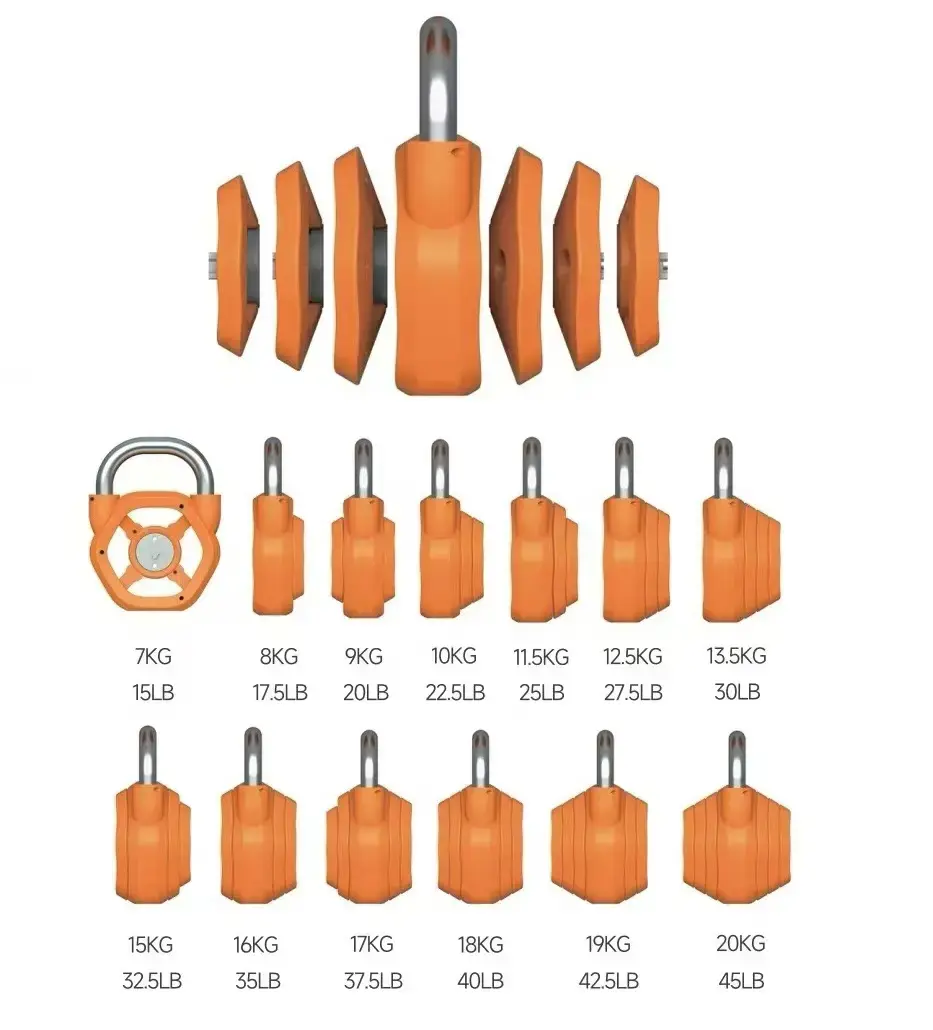
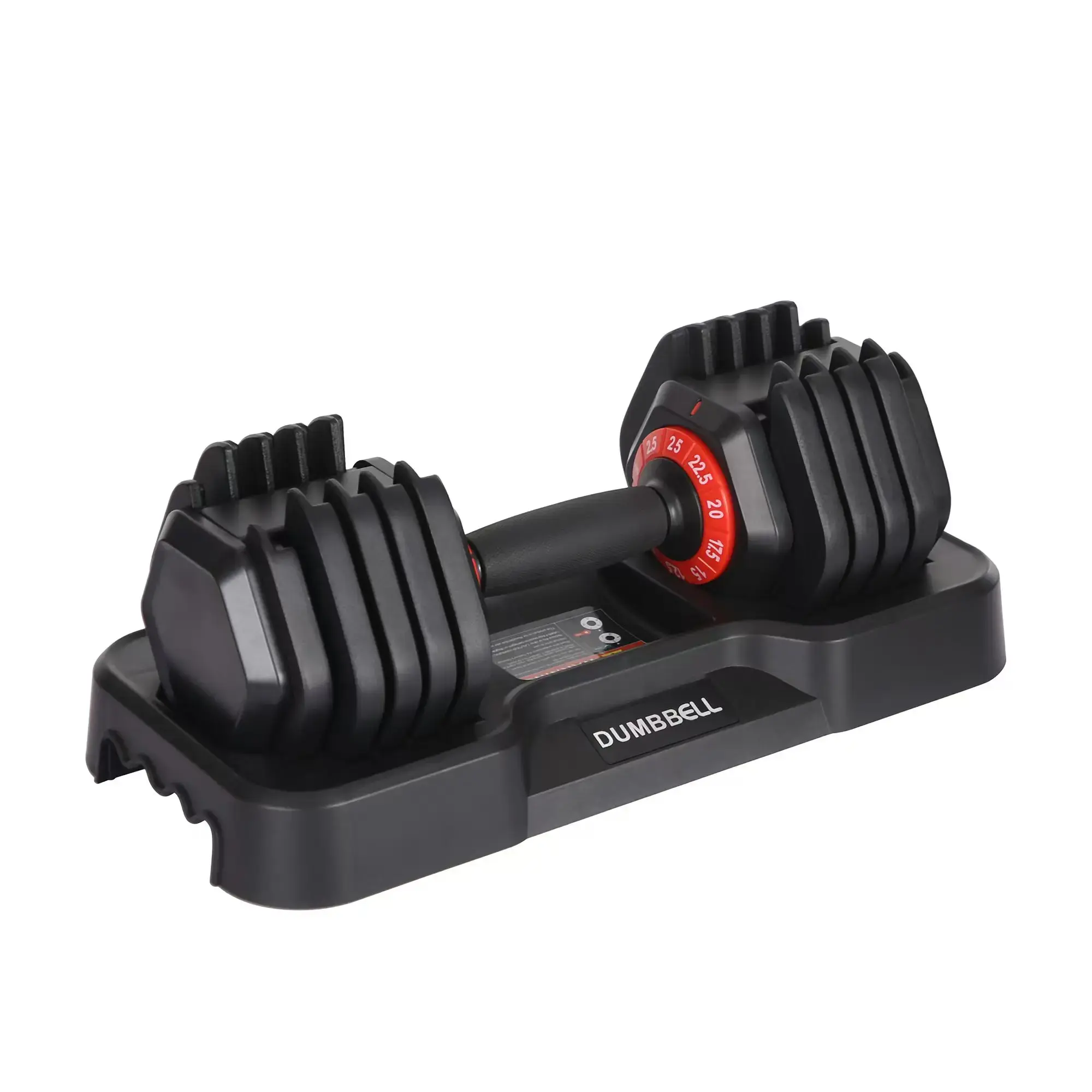
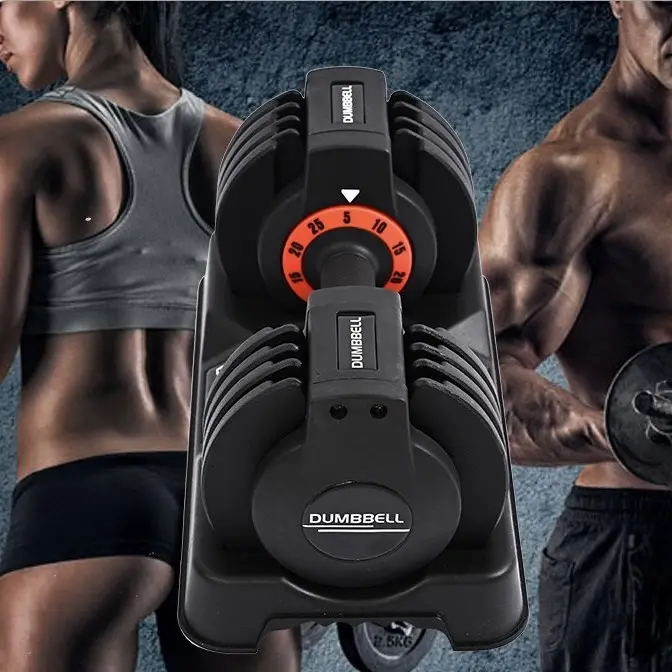
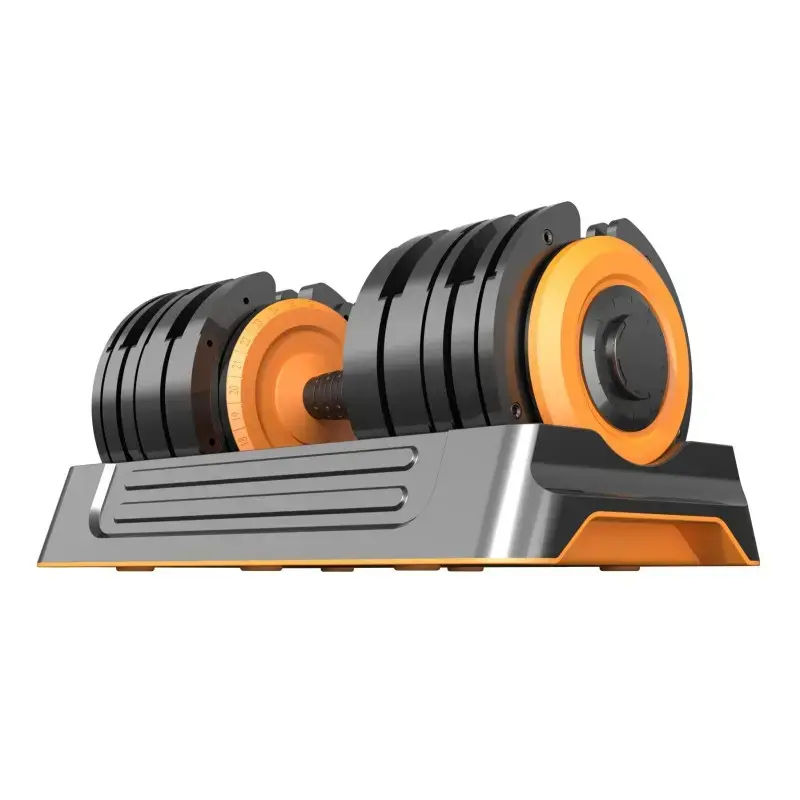
Below are our recommended products for buyers interested in supplier after-sales service standard for wholesale dumbbells. Visit each product page for complete details, certification documents, and sample request options:
Product Catalog:
Sourcing Notes
Backup suppliers: Maintain at least one qualified backup supplier. Single-source dependency creates vulnerability during peak seasons, quality disputes, or unexpected factory closures.
Communication tools: Use email for formal documentation and WeChat or WhatsApp for quick clarifications. Always confirm verbal agreements in writing before production starts.
Frequently Asked Questions
Q1: What MOQ should I expect for supplier after-sales service standard for wholesale dumbbells?
Standard products typically have MOQs of 100-500 units. Custom-branded products usually require 500-1,000 units. Fully custom designs with new tooling may require 3,000-10,000 units. Many suppliers will negotiate lower MOQs for first orders.
Q2: How do I handle shipping and customs?
Use a licensed freight forwarder experienced in fitness equipment. They handle booking, documentation, and customs clearance. Choose FOB terms if you want to control shipping, or DDP if you want the supplier to handle everything. Always confirm Incoterms in the contract.
Q3: Are samples available before placing a bulk order?
Yes, most suppliers provide samples. Expect to pay $50-$200 per sample plus shipping. Some suppliers refund the sample cost if you proceed with a bulk order. Always evaluate samples before committing to production.
Q4: How do I protect my intellectual property when sourcing?
Have the supplier sign a bilingual NDA before sharing detailed designs. Register your trademarks and patents in China. Avoid sharing proprietary manufacturing processes, share only what the supplier needs to produce your product.
Q5: What are the main risks of sourcing from China?
Quality inconsistency, communication gaps, intellectual property concerns, and shipping delays are the most common. All are manageable with proper due diligence: sample testing, clear contracts, NDAs, and realistic timelines with buffers.
Conclusion
Remember: the cheapest quote is rarely the best value. Factor in quality consistency, communication responsiveness, lead-time reliability, and after-sales support when making your decision. Ready to start? Browse our catalog or send us your inquiry, our experienced team will help you find exactly what you need.