

Adjustable dumbbell strength factory



Building a Three-Tier Adjustable Dumbbell Range: Matching Weight Bands, Price Points and Shelf Space for Retail and Online Channels
The Single-SKU Trap
A Poznan distributor closed 2025 with exactly one Adjustable Dumbbell listing: a 2 x 20 kg spin-lock set at PLN 449 retail, roughly EUR 104, with a landed cost of EUR 31 and a gross margin of 28 per cent. He moved 4,100 pairs in twelve months, which sounds respectable until you look at where the losses came from.
The listing sat in a dead zone. Below it, a EUR 79 plate-and-collar set took every price shopper; above it, a EUR 399 selectorised unit took everyone who cared about change speed. Conversion settled at 0.9 per cent, inventory cover stretched to seven months, and the largest retail account delisted him after two quarters. One SKU cannot serve three buyers.
Three Buyers, Three Price Bands
Channel economics differ far more than features do. Marketplace shoppers buy on review count and headline price, expecting retail between USD 89 and 129. Specialty retail wants a visible step up in finish and mechanism, paying USD 199 to 299. Gym chains buy duty cycle, spare parts and uniformity across clubs, landing between USD 549 and 899 per pair.
Each band carries its own margin expectation. Listings rarely survive below a 35 per cent seller margin after fees and returns. Specialty dealers want 45 to 55 per cent retail margin, while club tenders accept 18 to 22 points in exchange for volume.
Good, Better, Best: Fix the Weight Ceiling First
The fastest way to separate tiers is the weight ceiling per hand, because it is printed in the listing title and read in one second. Set roughly 11 kg for entry, 25 kg for core and 60 kg plus for flagship, and let the tiers overlap by no more than about 15 per cent of the ceiling.
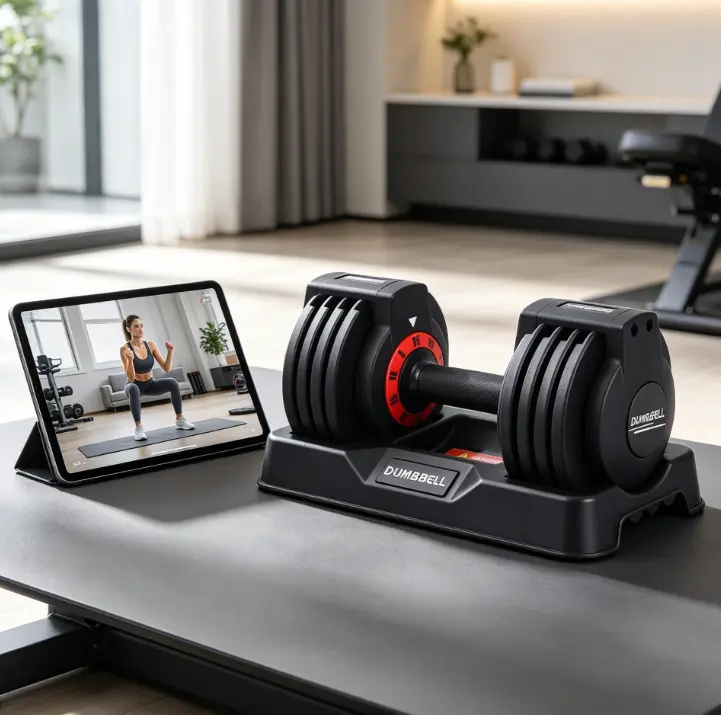
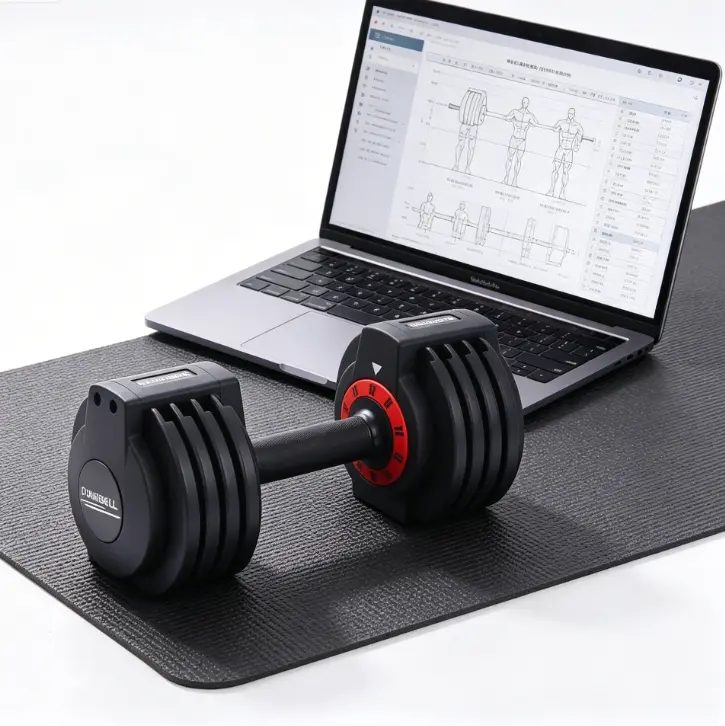
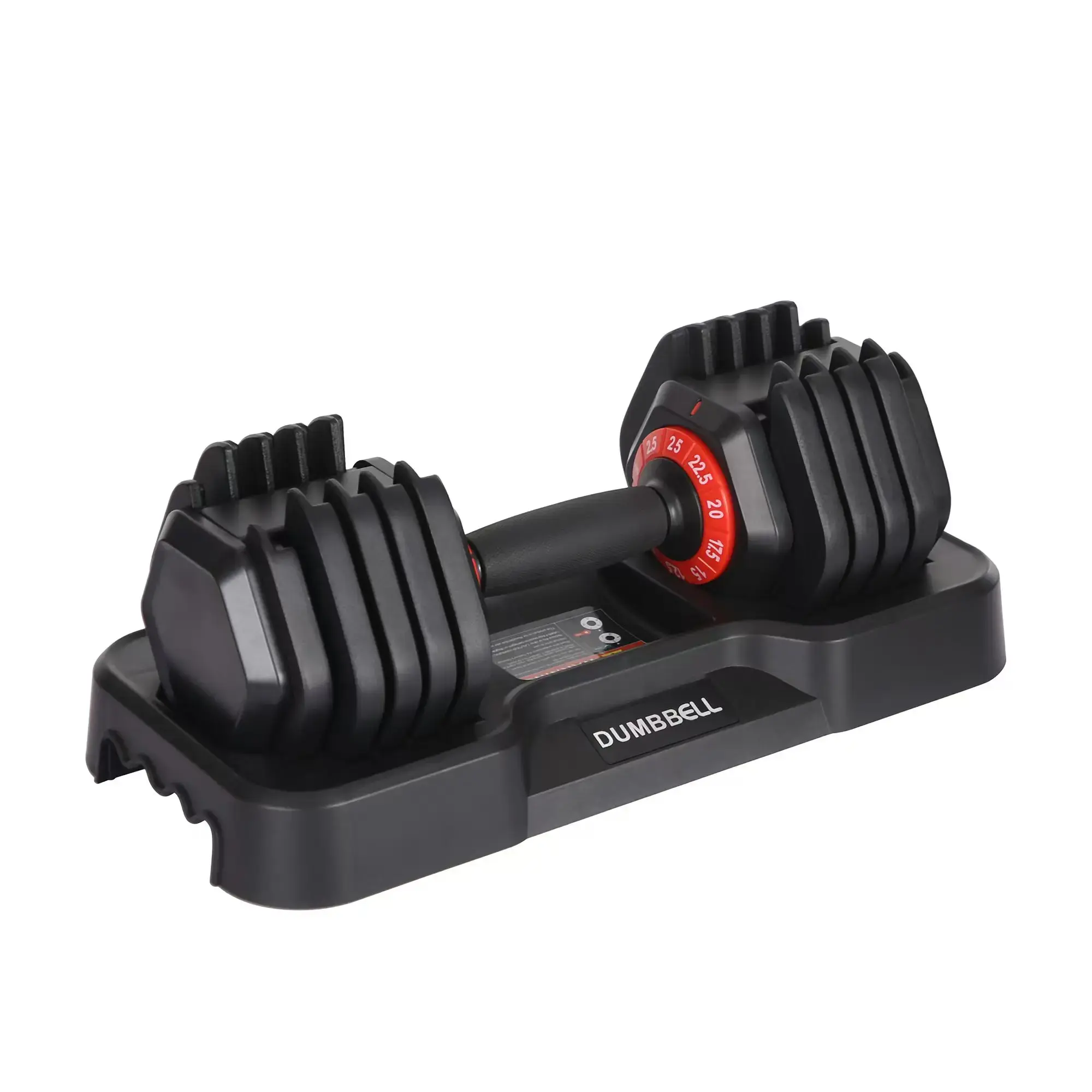
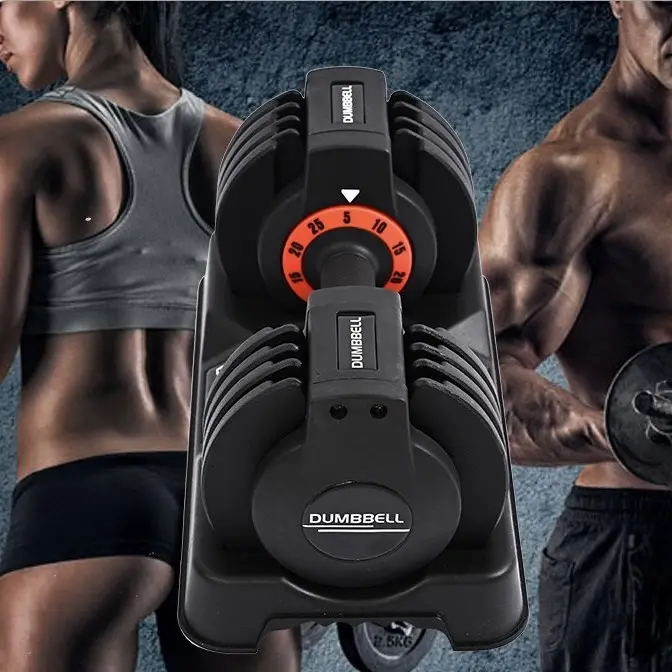
The entry band wins search results and gift purchases. A compact 25 lb automatic adjustable quick-change dumbbell hits the right headline number while keeping carton cube small enough for parcel shipping. Lead the copy with seconds per change, because here convenience beats plate count.
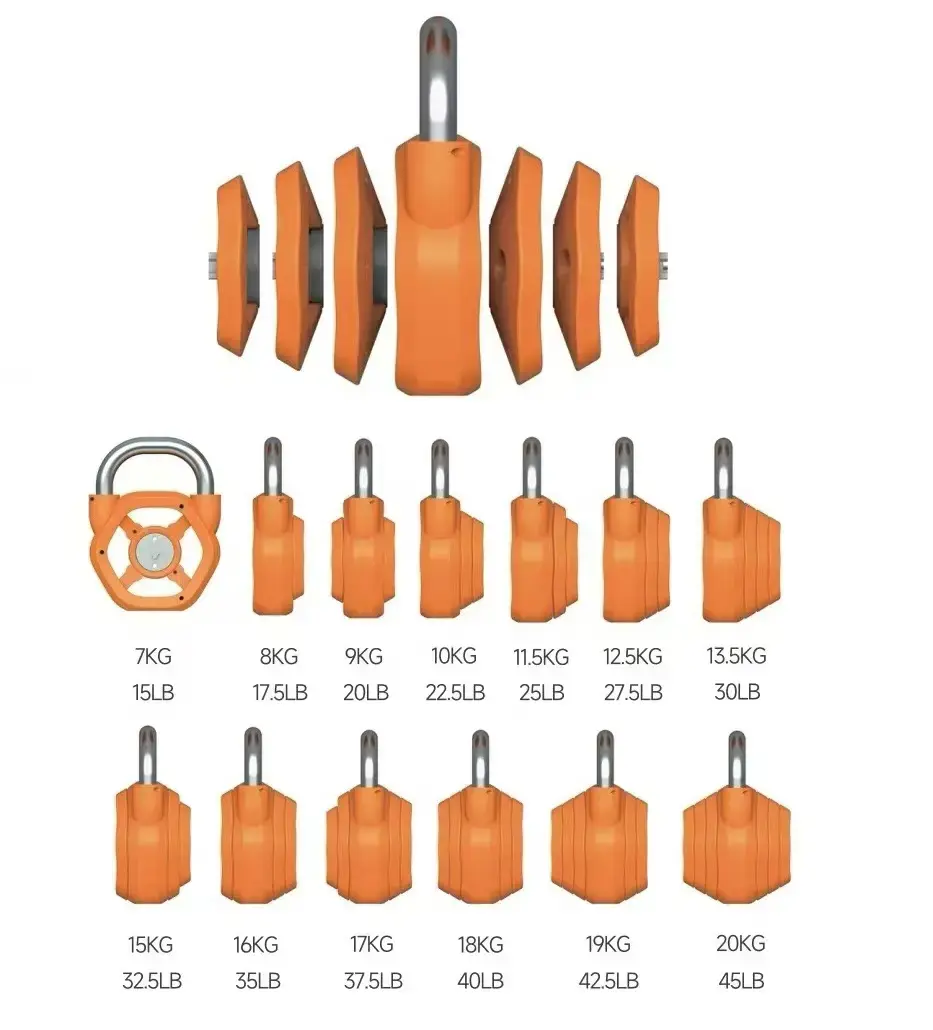
Core is where the profit sits. This buyer trains four or five sessions a week and pays for a genuine 2.5 kg step through the mid range, which is the difference between progressing and plateauing. Aim the mechanism squarely at a 55 lb adjustable dumbbell for the home gym shopper who wants one visible upgrade.

Mechanism Choice Follows the Channel
Match construction to how the buyer trains, not to what photographs well.
- Spin-collar plate sets: cheap to make, tolerate abuse, but need two hands to change. Right below USD 129.
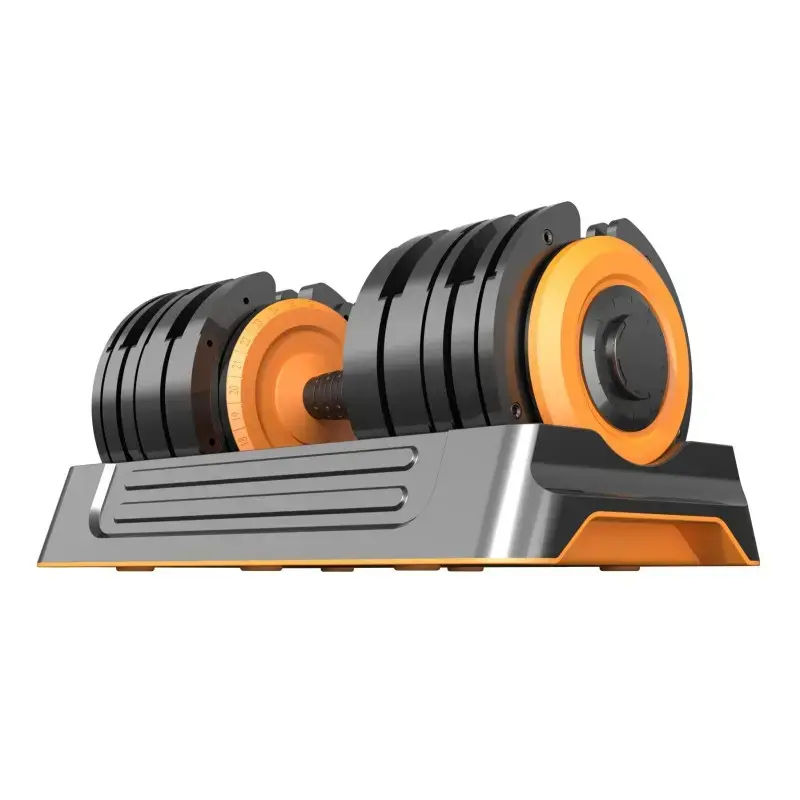
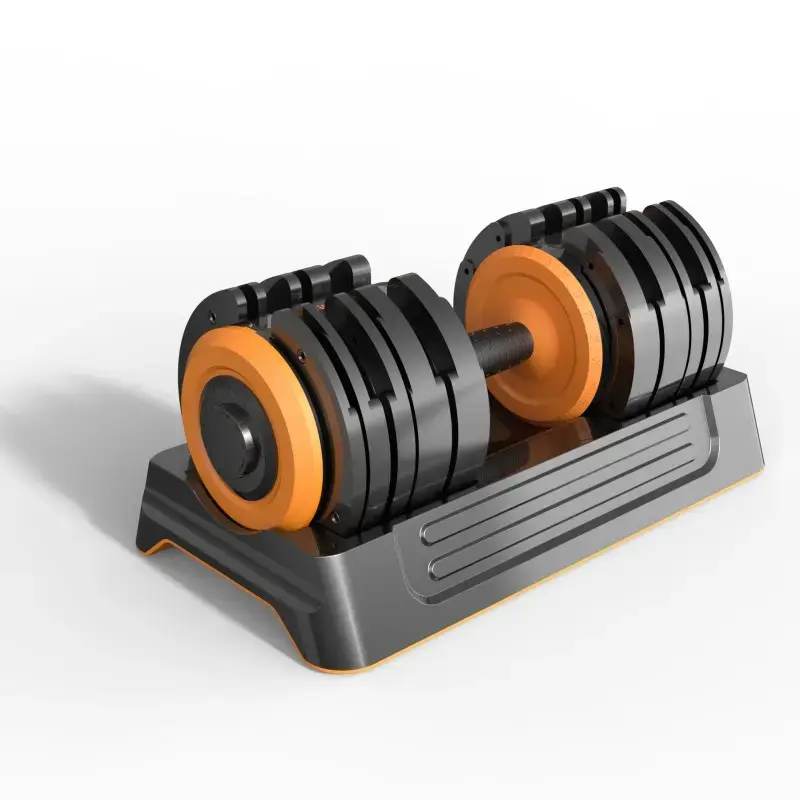
- Dial or selector mechanisms: one-handed change in under three seconds, higher tooling cost, must carry spare parts. Right for USD 199 to 299.
- Heavy plate-loaded frames: expandable load, serviceable bearings, club duty. Right for tenders above USD 549.
The price fighter is still a cast construction, and the line that defends shelf against no-brand imports is usually an adjustable cast iron dumbbell set sold as a promotional anchor. Keep exactly one anchor, since retailers judge your whole range by whether you can fight at the bottom.
Margin Ladder and Price Gap Rules
Rule of thumb: each tier retails at 1.8 to 2.2 times the tier below it. Below 1.8 times, the upper tier cannibalises; above 2.2 times, shoppers assume the cheaper one is junk and abandon the category. Landed cost typically lands near USD 28 to 42 entry, 62 to 95 core, 175 to 290 flagship per pair.
Protect the ladder with features, never with discounts. Give each tier at least three exclusive attributes among knurling pattern, handle diameter, bundled stand, warranty length and coaching content. Refuse any push to discount core below 1.6 times entry, because that is how a range collapses back into one SKU.
Shelf Footprint and Facing Allocation
Shelf rewards density. One boxed pair takes roughly 600 mm of frontage, so start at three facings entry, two core, one flagship per standard bay and allocate by contribution margin per facing per week, never by gut feel.
Review after eight weeks. If a tier returns under 15 per cent of shelf contribution while holding a third of the facings, cut facings before touching price. Units usually split 65 per cent entry, 25 core, 10 flagship, yet flagship often delivers over 30 per cent of gross profit.
Cannibalisation Guardrails
- Feature overlap under 40 per cent between adjacent tiers.
- Price overlap under 20 per cent at the boundary once promotions apply.
- One clear end user per tier: beginner, committed home trainer, facility.
- Never promote core and flagship in the same month.
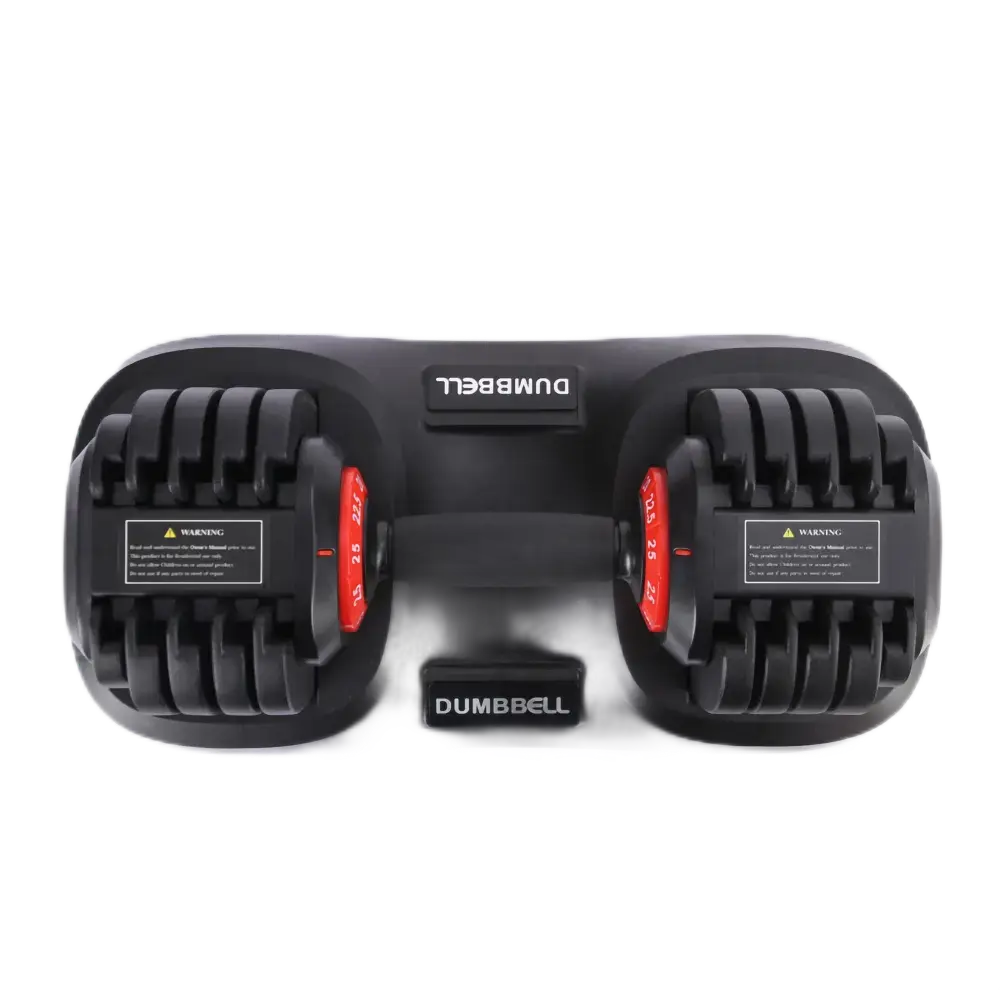
The flagship also has to be defensible on service, and nothing holds that line better than a heavy unit such as a 275 lb adjustable dumbbell for strength facilities backed by documented spare-part availability for five years.
Launch Quantities That Do Not Strand Cash
Cube stops binding at these sizes. A 40 ft high cube gives about 68 m3 usable, and an entry carton near 0.045 m3 means cube alone permits over a thousand pairs, so your cash sets the ceiling, not the container. Buy weeks of cover instead: ten to twelve weeks entry, eight core, six flagship.
A workable opening order inside one mixed container is therefore roughly 600 pairs entry, 220 core and 60 flagship. Cap flagship until real tender demand appears, since it ties up the most cash per unit and turns slowest.
The Bottom Line
A leading range is an architecture decision made months before the first shipment. Fix the three weight ceilings first, then hold retail multiples between 1.8 and 2.2 times, then allocate facings by contribution rather than habit. Treat entry as traffic, core as profit and flagship as credibility, and you stop fighting three rivals with a single SKU.