
Adjustable dumbbell strength factory
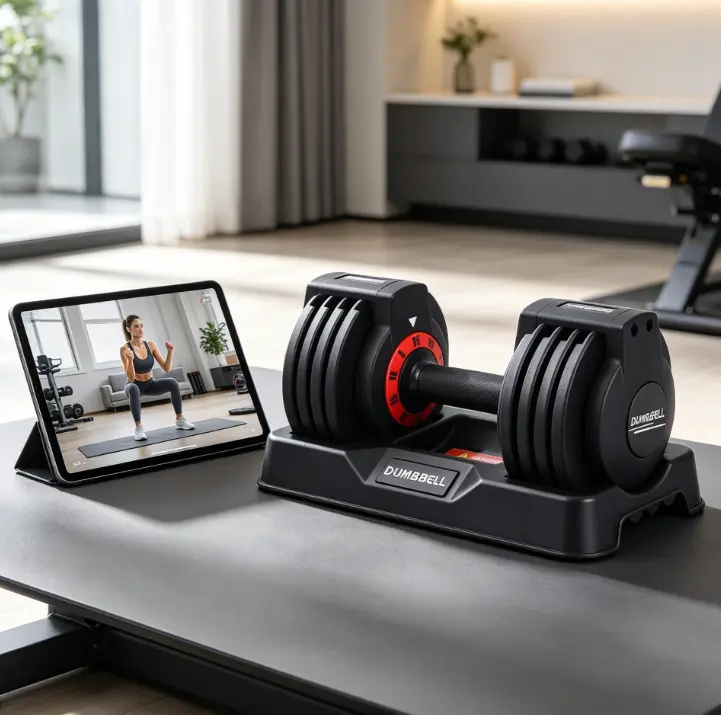
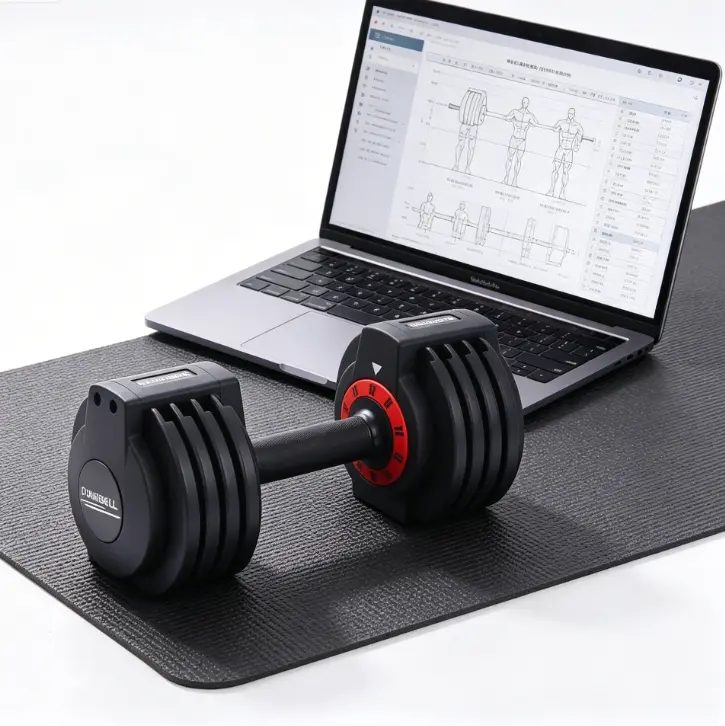


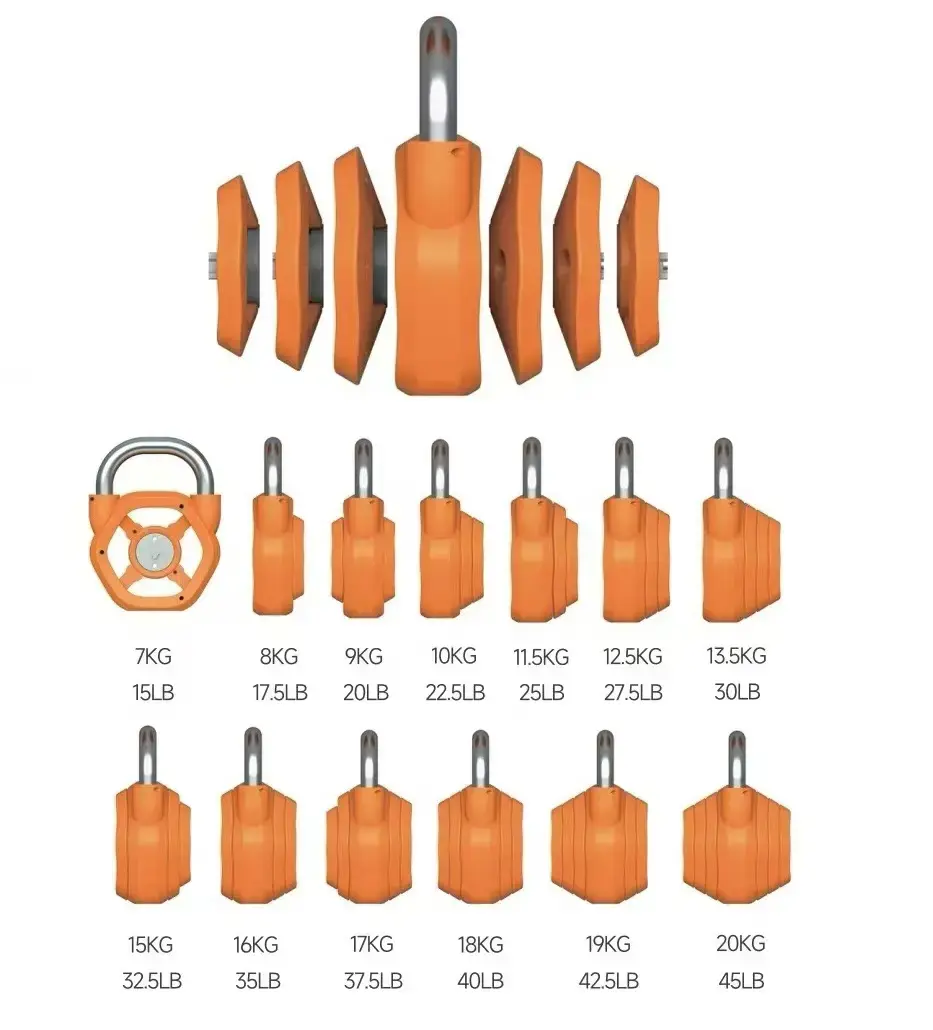
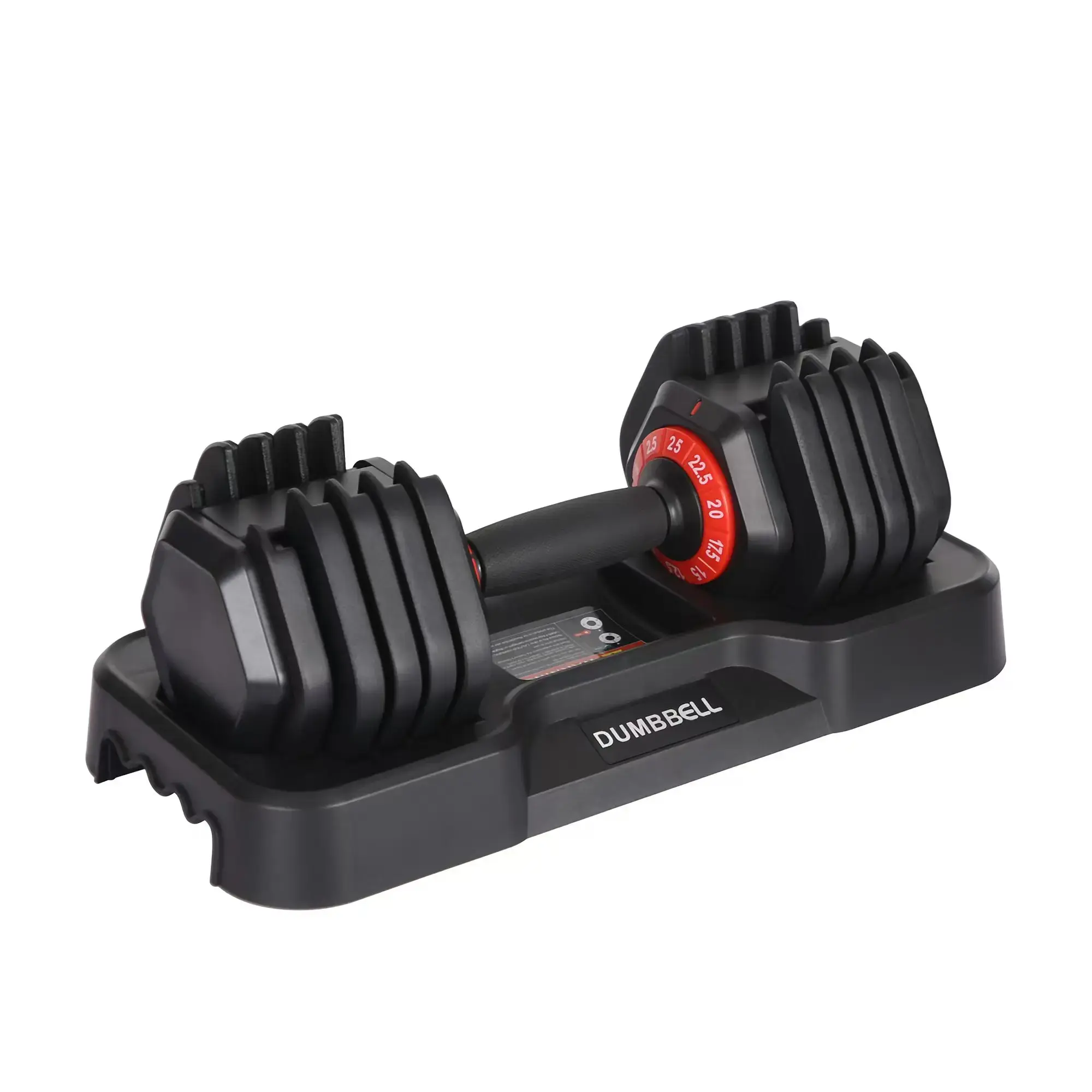
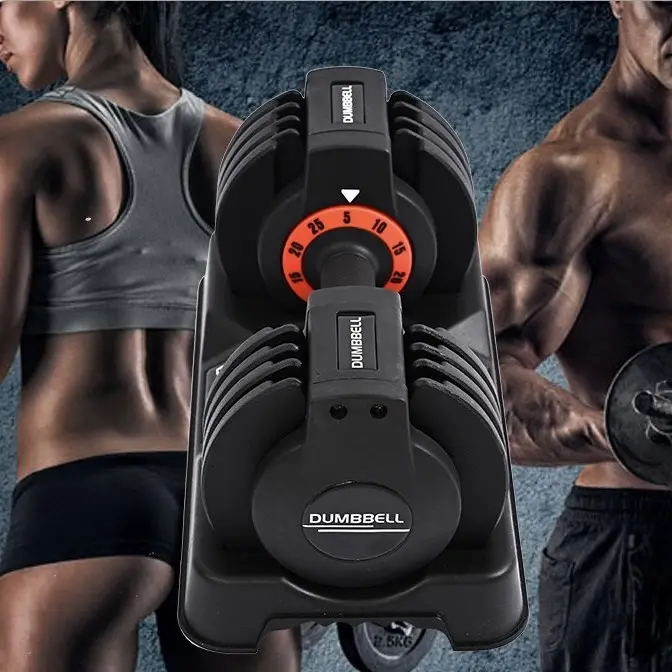
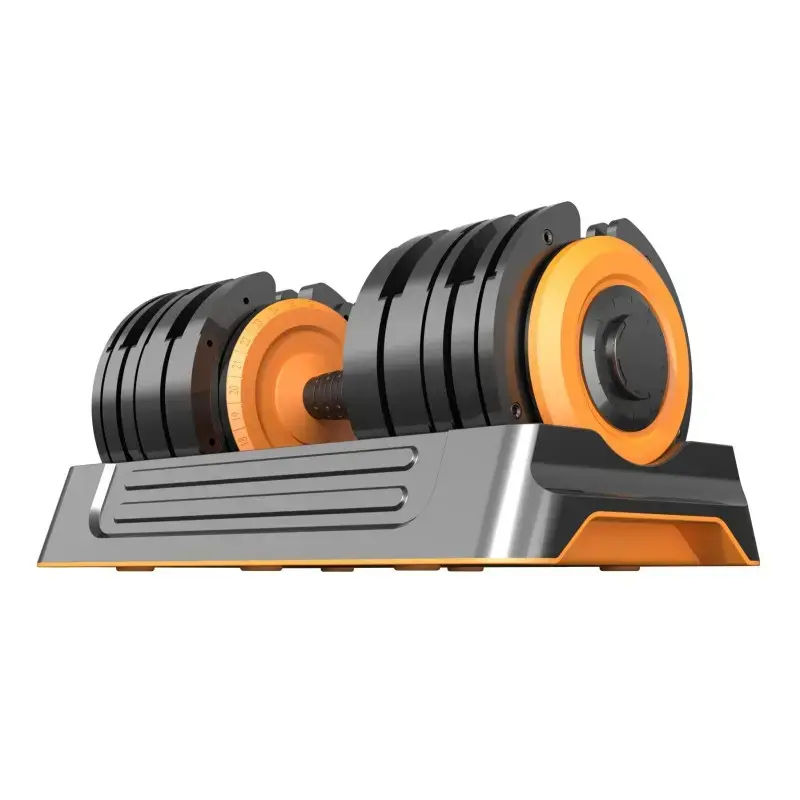

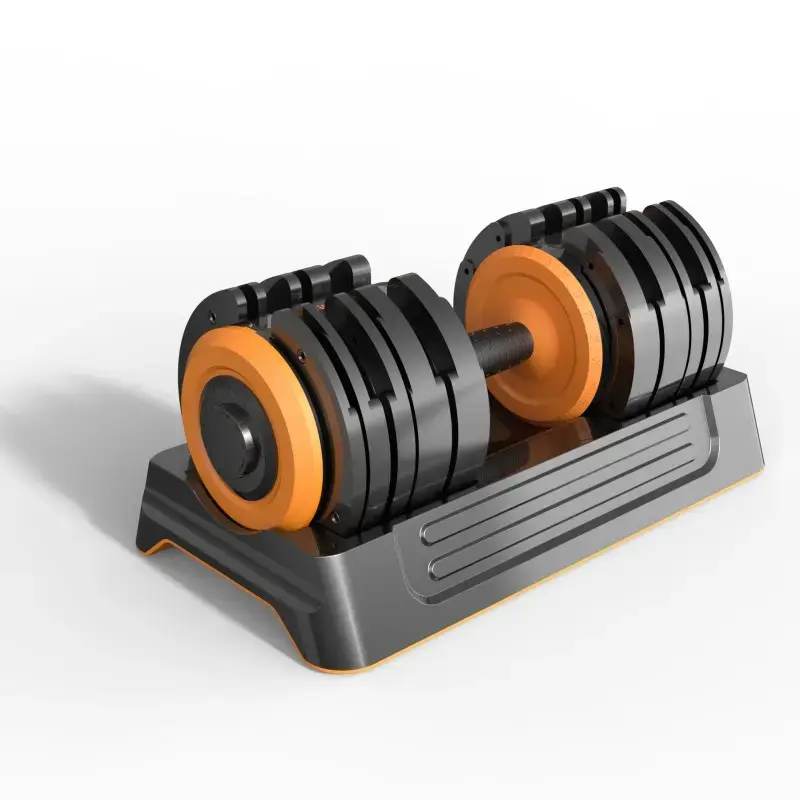
Long-Term Cooperation Strategy With Fitness Equipment Factories
Whether you are a first-time buyer or a seasoned importer, understanding long-term cooperation strategy with fitness equipment factories requires more than browsing a catalog. Material grades, manufacturing tolerances, certification standards, and supplier capabilities all play a role. This guide explains each factor in plain language.
Introduction
This guide covers long-term cooperation strategy with fitness equipment factories in the context of the fitness equipment industry, providing practical insights for buyers, distributors, and project managers who need to make informed sourcing decisions.
Whether you are new to sourcing from China or looking to optimize an existing supply chain, the information here will help you navigate the process with greater confidence and avoid common pitfalls that cost time and money.
We will explore the market landscape, supplier evaluation criteria, quality verification methods, cost considerations, and practical steps for placing and managing orders.
Market Overview
The fitness equipment market is diverse, with manufacturers ranging from small specialized workshops to large-scale industrial operations. Understanding the landscape helps you identify suppliers who match your specific needs in terms of quality, volume, and customization.
Key considerations include production capability, quality control systems, certification coverage, export experience, and communication quality. We will explore each of these in detail, with specific advice on what to look for and what questions to ask.
The most successful buyers treat supplier selection as an ongoing process, not a one-time decision. Markets change, factories evolve, and what worked last year may not be the best choice today. Regular evaluation and relationship management are essential.

Supplier Evaluation
When evaluating suppliers for long-term cooperation strategy with fitness equipment factories:
Request detailed product specifications including material grades, dimensions, tolerances, and surface treatments. The level of detail in a supplier's response tells you a lot about their professionalism and manufacturing knowledge.
Verify certifications relevant to your market, ISO 9001, CE, RoHS, FDA, or others as applicable. Request actual certificate copies and check that the factory name matches the supplier you are dealing with.
Order samples before committing to bulk orders. Physical samples reveal quality that photos and spec sheets cannot. Evaluate material, finish, weight, and functionality under conditions as close to real-world as possible.
Check export experience, suppliers who have shipped to your region understand the documentation and compliance requirements. Ask which countries they export to and request references from buyers in your market.
Assess communication quality, do they respond within 24 hours? Are their answers specific or generic? Do they ask clarifying questions? Good communication prevents most sourcing problems.
Buying Guide
Practical steps for a successful purchase:
Define your requirements clearly. Vague specifications lead to inconsistent quotes and quality issues. Document every detail, material, dimensions, color, finish, packaging, labeling, and quantity.
Compare multiple suppliers. Get quotes from 3-5 factories. Compare not just price but quality indicators, lead time, MOQ flexibility, and communication responsiveness. The cheapest quote is rarely the best value.
Use formal contracts. A purchase order with detailed specifications, quality standards, AQL levels, and remediation clauses protects both parties. A purchase order email is not sufficient for orders over $5,000.
Inspect before shipping. Pre-shipment inspection catches defects before they become your problem. Budget $250-$400 for a third-party inspection, it is the best insurance policy you can buy.
Plan your timeline. Production: 30-45 days. Sea freight: 25-40 days. Customs: 3-7 days. Add a 20% buffer for delays. Communicate your timeline to the supplier upfront.
Quality Assurance
Quality assurance should be built into every step of your sourcing process:
Pre-production: Verify raw materials before mass production begins. Request material test reports for critical applications. Confirm that the supplier understands and accepts your specification sheet.
During production: Request progress photos and updates. If possible, arrange a during-production inspection (DUPRO) when 30-50% of the order is complete. This catches issues early enough to correct them.
Pre-shipment: Use AQL sampling (Level II, AQL 2.5) for final inspection. The inspector checks a statistically representative sample and issues a pass/fail report with photos of any defects found.
Documentation: Keep records of all communications, specifications, inspection reports, and shipping documents. If disputes arise, written records are your best protection.
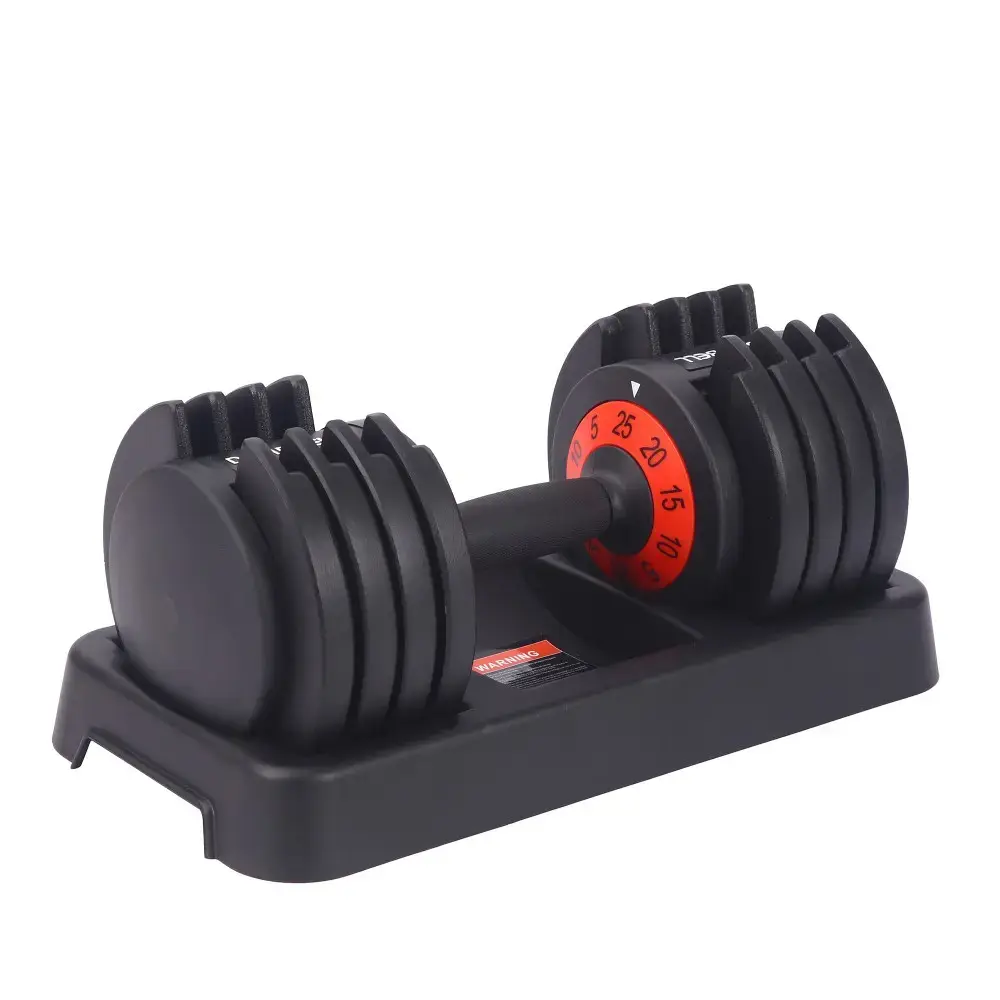
Our Products
Below are our recommended products for buyers interested in long-term cooperation strategy with fitness equipment factories. Visit each product page for complete details, certification documents, and sample request options:
Product Catalog:
Sourcing Notes
Backup suppliers: Maintain at least one qualified backup supplier. Single-source dependency creates vulnerability during peak seasons, quality disputes, or unexpected factory closures.
Communication tools: Use email for formal documentation and WeChat or WhatsApp for quick clarifications. Always confirm verbal agreements in writing before production starts.
Frequently Asked Questions
Q1: What MOQ should I expect for long-term cooperation strategy with fitness equipment factories?
Standard products typically have MOQs of 100-500 units. Custom-branded products usually require 500-1,000 units. Fully custom designs with new tooling may require 3,000-10,000 units. Many suppliers will negotiate lower MOQs for first orders.
Q2: How do I handle shipping and customs?
Use a licensed freight forwarder experienced in fitness equipment. They handle booking, documentation, and customs clearance. Choose FOB terms if you want to control shipping, or DDP if you want the supplier to handle everything. Always confirm Incoterms in the contract.
Q3: Are samples available before placing a bulk order?
Yes, most suppliers provide samples. Expect to pay $50-$200 per sample plus shipping. Some suppliers refund the sample cost if you proceed with a bulk order. Always evaluate samples before committing to production.
Q4: How do I protect my intellectual property when sourcing?
Have the supplier sign a bilingual NDA before sharing detailed designs. Register your trademarks and patents in China. Avoid sharing proprietary manufacturing processes, share only what the supplier needs to produce your product.
Q5: What are the main risks of sourcing from China?
Quality inconsistency, communication gaps, intellectual property concerns, and shipping delays are the most common. All are manageable with proper due diligence: sample testing, clear contracts, NDAs, and realistic timelines with buffers.

Conclusion
At the end of the day, successful sourcing is about building a relationship with a supplier who understands your needs and delivers consistently. Take the time to evaluate options, ask the hard questions, and trust verified data over sales pitches. Visit our online store to see specifications, or contact us directly for a tailored solution.