

News
Adjustable dumbbell strength factory

0102030405
How to Use 3-in-1 Dumbbell Kettlebell for Small Group Fitness Classes
2026-06-11
How to Use 3-in-1 Dumbbell Kettlebell for Small Group Fitness Classes
Against the booming development of the global fitness industry, small group fitness classes have become the mainstream service in gyms, professional training studios and community fitness centers, thanks to strong interaction, immersive training atmosphere and high cost performance. Traditional group classes require a full set of equipment including dumbbells, kettlebells and barbells, which not only occupies plenty of floor space, but also increases expenditure on equipment procurement, storage and management.
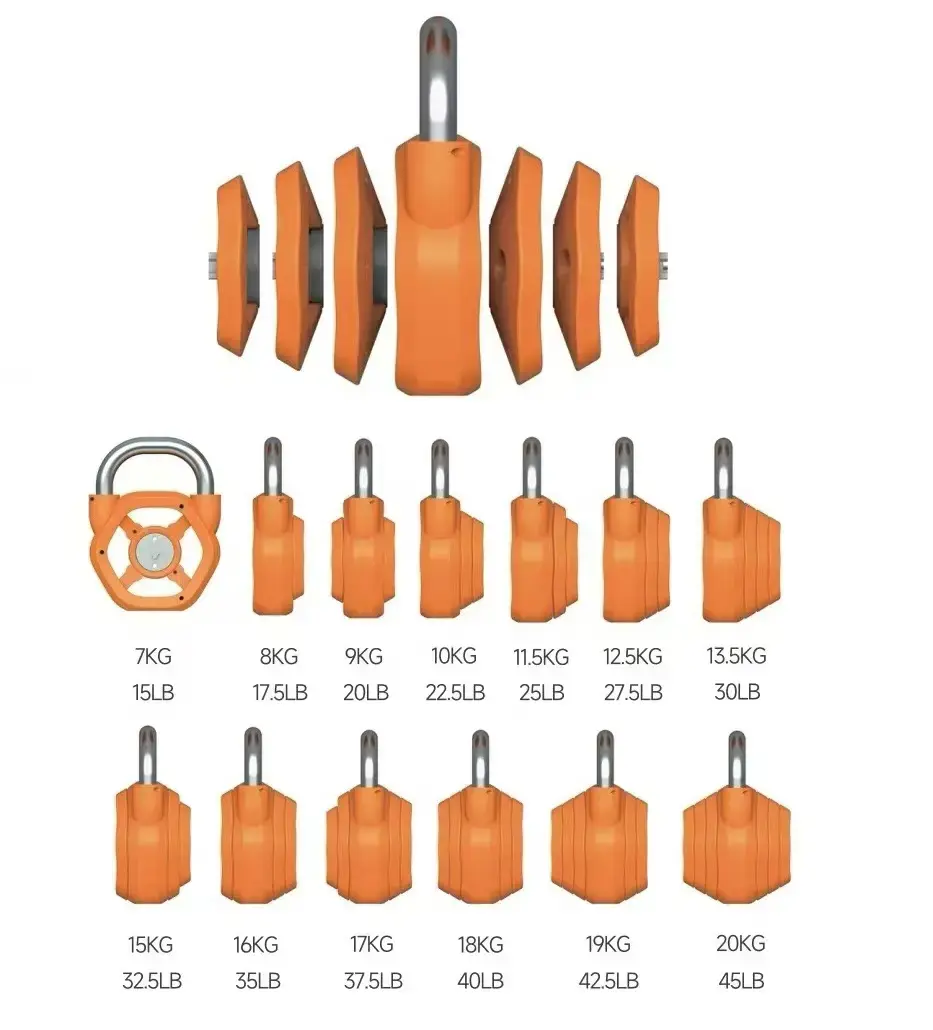
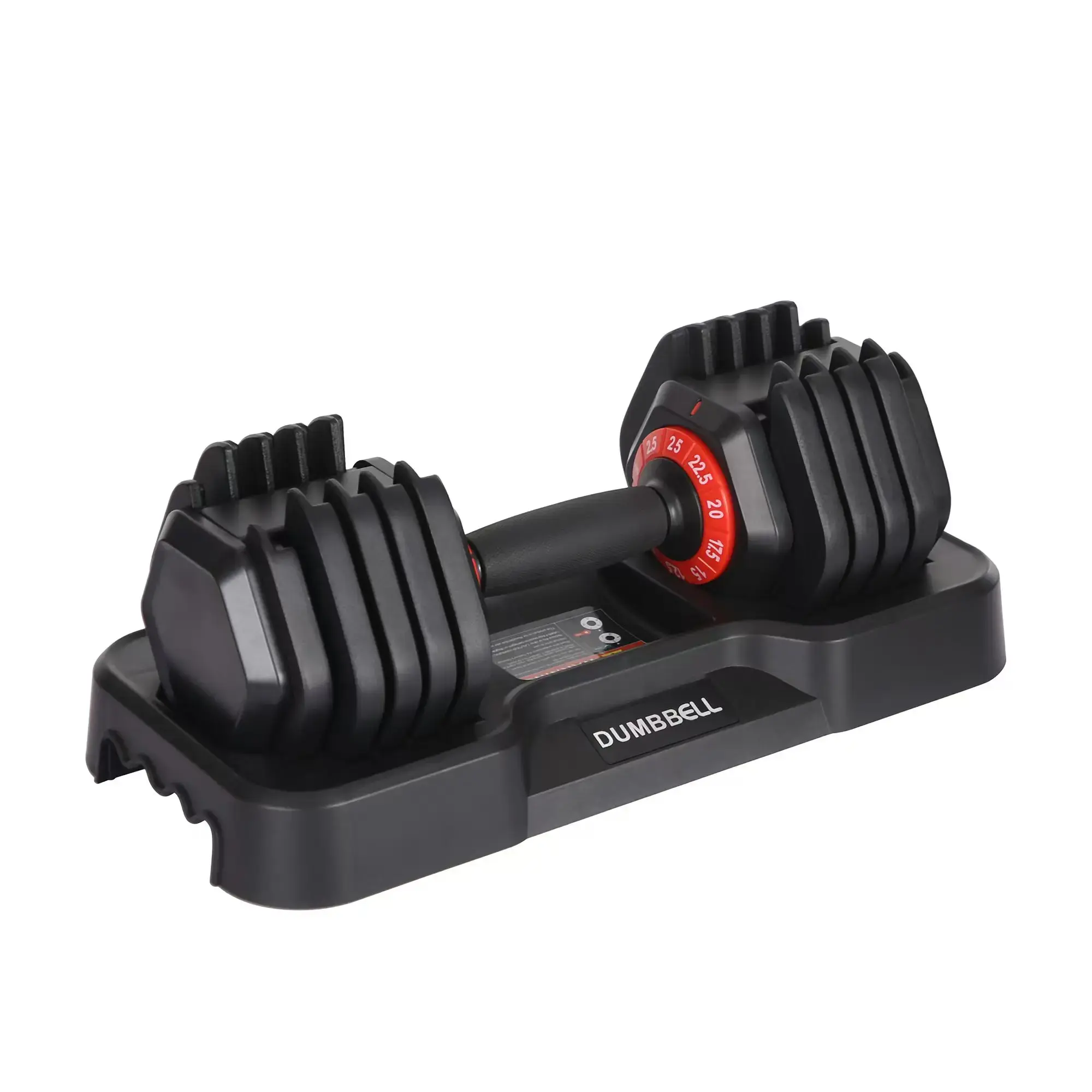
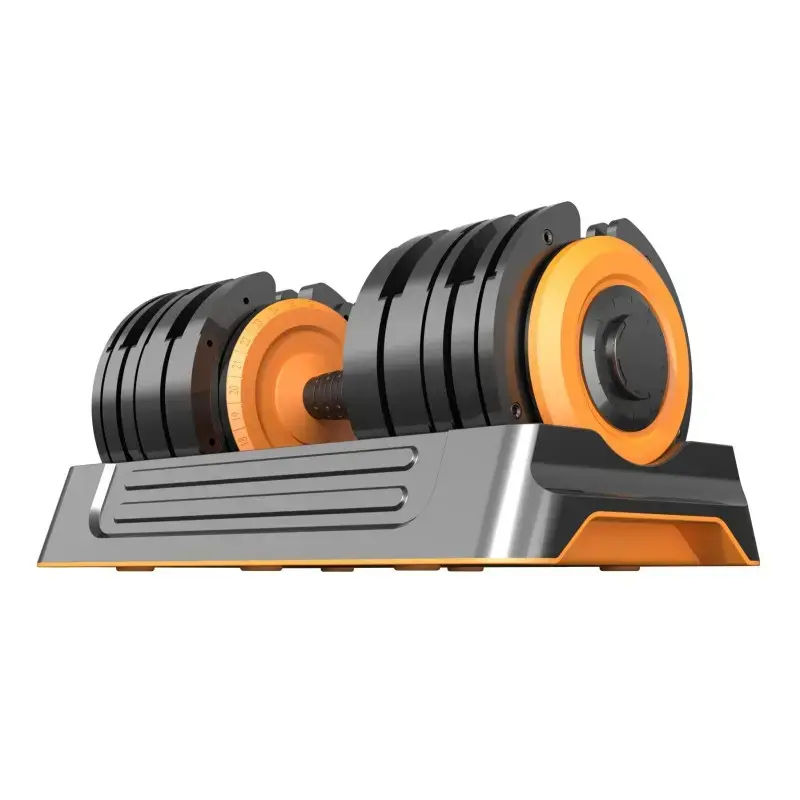
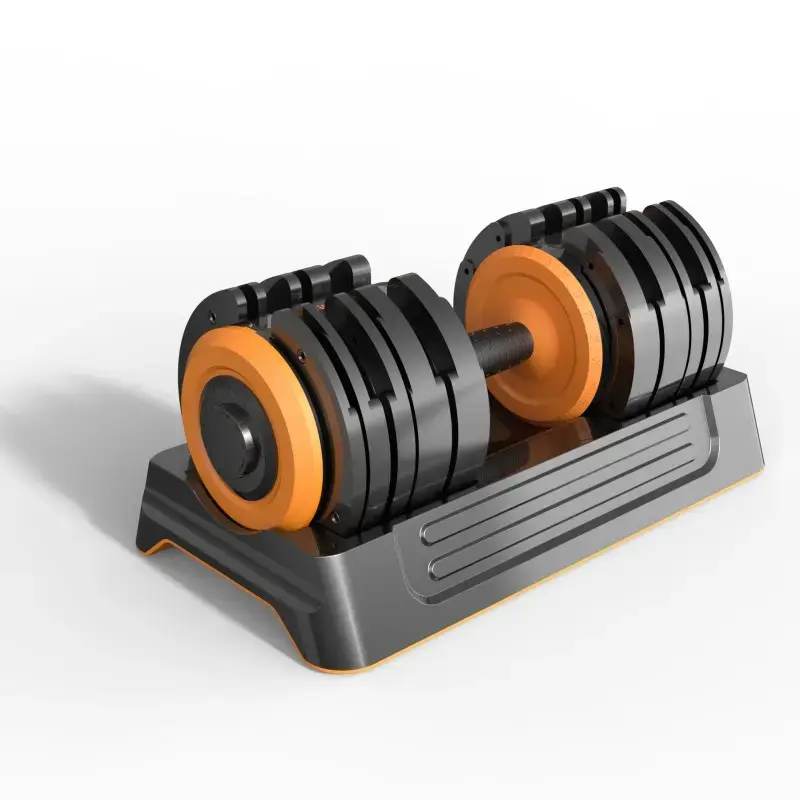
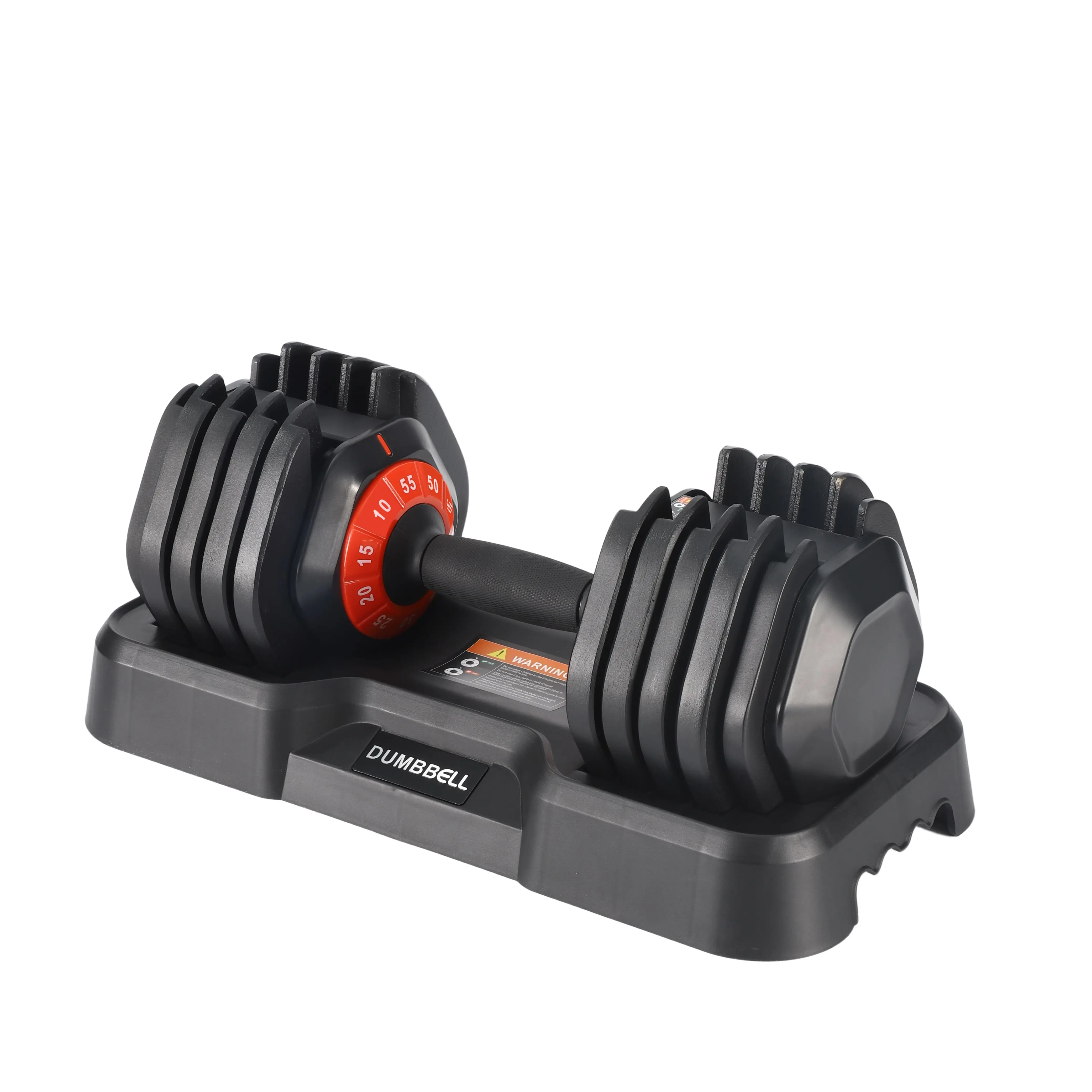
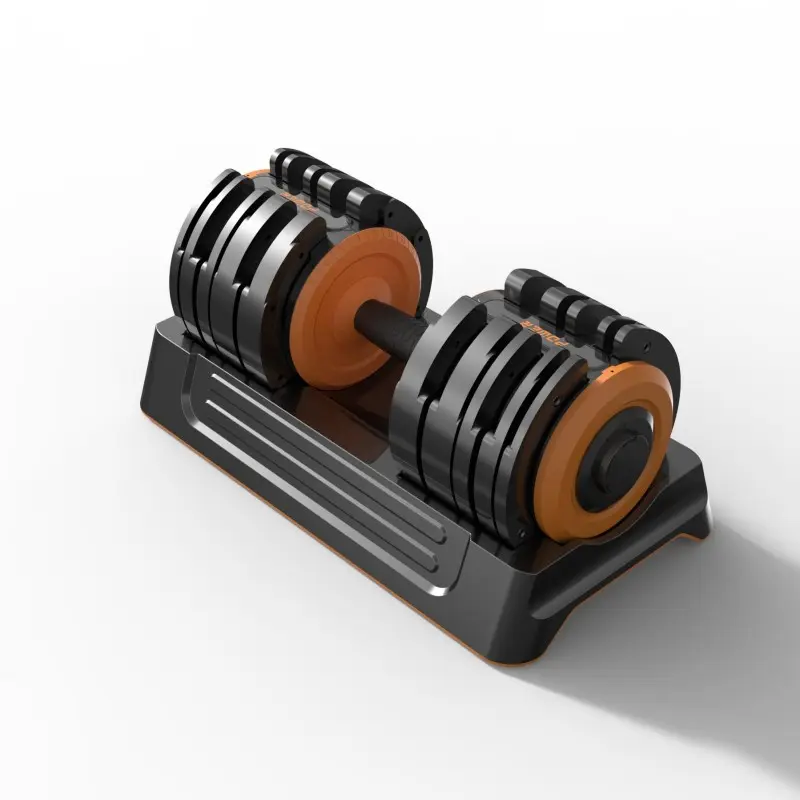
The 3-in-1 dumbbell kettlebellintegrates Adjustable Dumbbell, standard kettlebell and compact barbell into one single unit. Featuring flexible mode conversion, quick weight adjustment and durable iron construction, it perfectly fits small group classes with different group sizes, difficulty levels and training goals, and has become a top pick for equipment procurement among overseas fitness facilities.
This guide fully illustrates the practical application of 3-in-1 dumbbell kettlebells in small group fitness sessions, covering core product advantages, class adaptability, scenario-based curriculum design, movement combinations, on-site coaching skills, tiered training plans, equipment management and safety regulations. It serves as a comprehensive reference for gym owners, curriculum developers and group fitness instructors.
1. Core Features & Class Adaptation Advantages of 3-in-1 Dumbbell Kettlebell
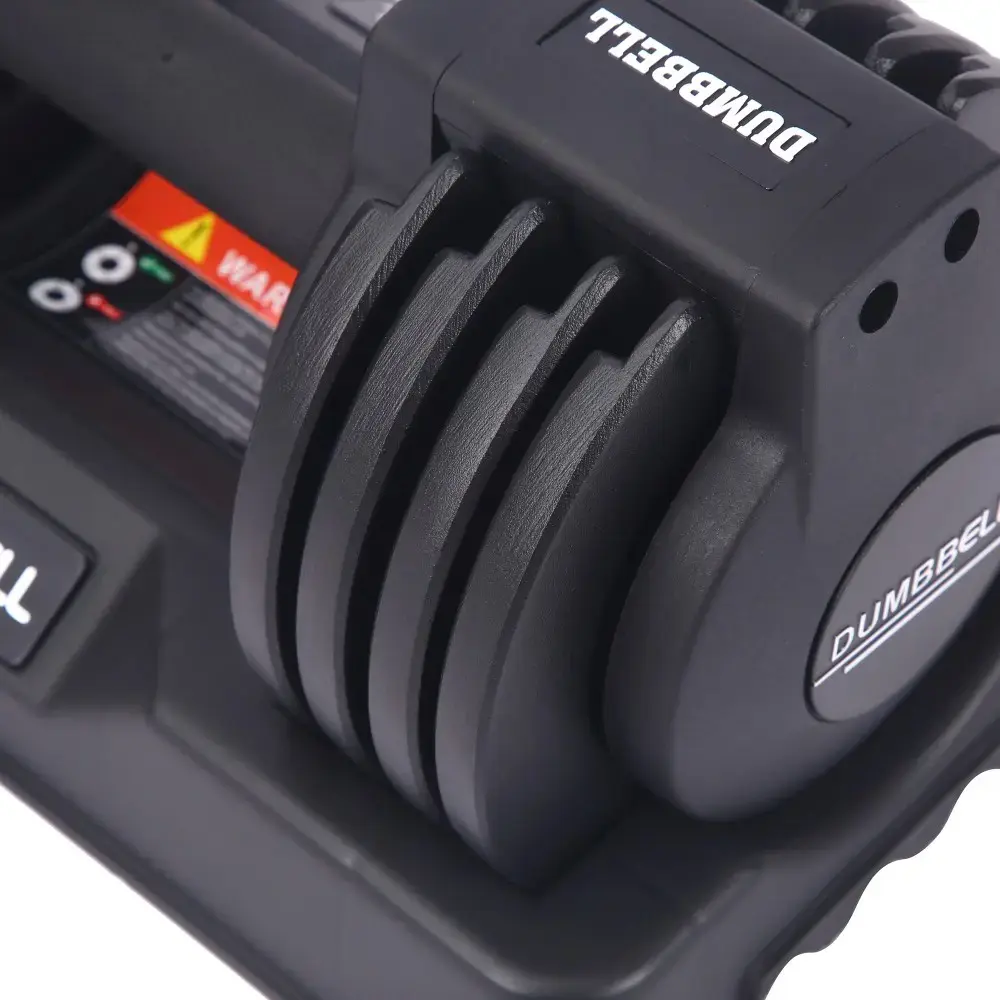
Crafted from premium iron materials, the 3-in-1 dumbbell kettlebell boasts a solid and stable structure equipped with a safety locking mechanism. It prevents weight plates from loosening or falling off during workouts, making it ideal for high-intensity and high-frequency commercial group class scenarios.
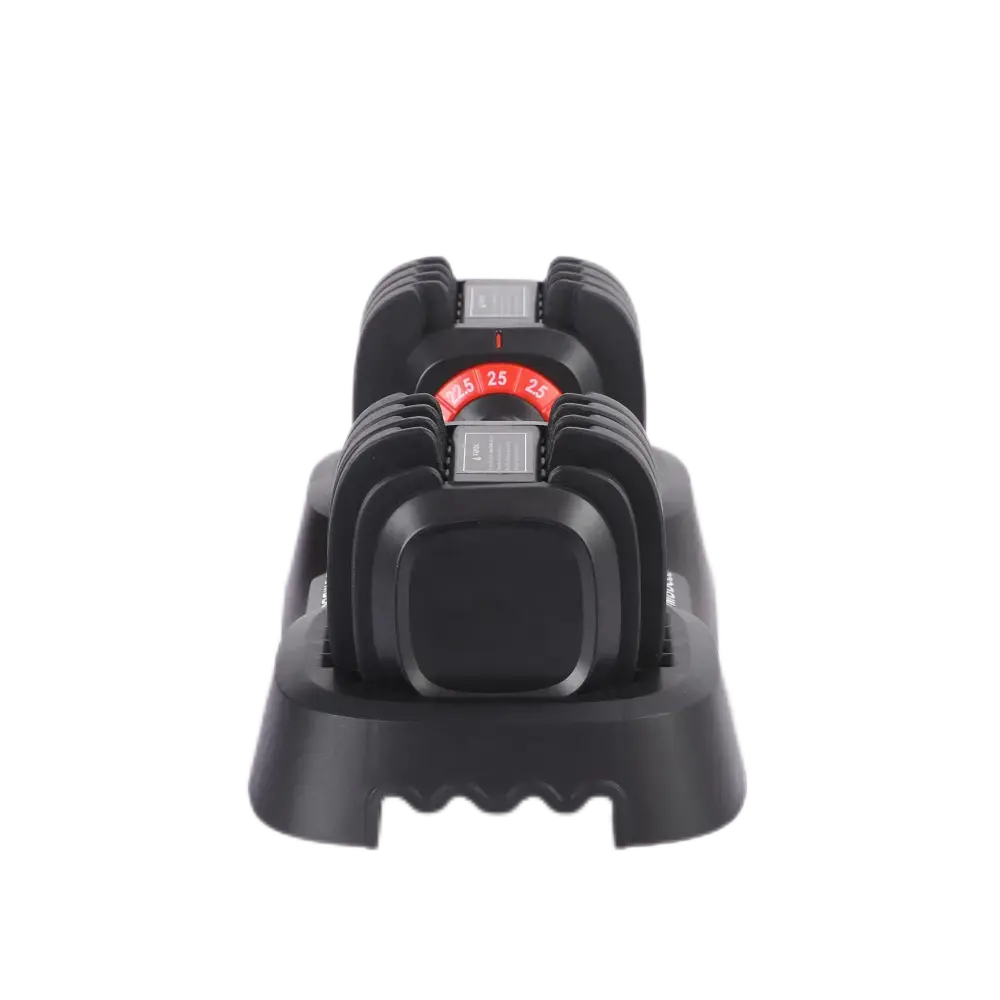
This all-in-one equipment supports fast mode switching and stepless weight adjustment without extra tools. Users can freely convert it between dumbbell, kettlebell and short barbell modes simply by rotating the handle and assembling or detaching connecting parts. One single unit can replace multiple sets of traditional fitness gear, perfectly matching the usage demands of small group fitness classes.
It comes with an extensive weight range, with multiple weight levels available for dumbbell, kettlebell and barbell modes respectively. It caters to trainees of all fitness levels, from beginners and intermediate exercisers to professional enthusiasts. Instructors can adjust weights one-on-one based on individual physical conditions to implement tiered training within the class. Besides, the equipment surface adopts anti-slip treatment, and the ergonomic handle ensures a firm grip even during synchronized group training and large-range dynamic movements, greatly lowering the risk of slipping.
Targeting the common operational pain points of small group fitness classes, the 3-in-1 dumbbell kettlebell delivers remarkable strengths:
- High space utilization: Small group classes are usually held in limited areas. Traditional Dumbbell Racks and kettlebell stands take up valuable training space. The compact 3-in-1 dumbbell kettlebell can be centrally stored on dedicated adjustable mobile dumbbell racks. It can be neatly placed when idle and distributed quickly before class, maximizing usable training space.
- Controllable overall cost: Fitness facilities no longer need to purchase separate sets of dumbbells, kettlebells and mini barbells. This multi-functional equipment meets all strength training needs, cutting down budgets for equipment procurement and subsequent maintenance.
- Smooth class rhythm: Mode conversion and weight adjustment only take a few seconds. Instructors do not need to spend excessive time organizing equipment replacement, ensuring a tight and consistent training pace — a critical advantage for high-intensity interval training and circuit group classes.
- Wide compatibility: It supports fat burning & body shaping, strength improvement, core training and functional fitness workouts. Instructors can develop diverse and featured group courses with this versatile equipment.
2. Types of Small Group Fitness Classes Suitable for 3-in-1 Dumbbell Kettlebell
Small group classes generally consist of 3 to 15 participants. Different from large-scale group classes with hundreds of people, they focus more on movement correction, personalized adjustment and member interaction. Based on the functional features of the 3-in-1 dumbbell kettlebell, it is fully compatible with six mainstream types of small group fitness classes, with differentiated application highlights for each category.
2.1 Full-Body Fat Burning Interval Classes
As the most popular group class type in commercial gyms, it features short-duration, high-heart-rate and high-intensity workouts to burn calories efficiently and boost cardiopulmonary fitness. This class mainly consists of dynamic compound movements and requires extremely fast equipment switching.
The 3-in-1 dumbbell kettlebell can switch flexibly between kettlebell and dumbbell modes. Use the kettlebell mode for large-range fat-burning movements such as swings and squats, and switch to dumbbell mode for upper-body exercises including presses and rows. Alternate the two modes to form a complete interval training circuit. Moderate and light weights are recommended to help participants keep up with the pace and maintain a high heart rate throughout the session.
2.2 Functional Strength Classes
Functional training aims to improve daily mobility, muscle coordination and overall physical strength, favored by fitness enthusiasts and people under physical rehabilitation. The workouts are built on fundamental movement patterns including push, pull, squat and hip hinge. All three modes of the 3-in-1 equipment can be applied:
- Dumbbell mode: For unilateral strength training to correct left-right muscle imbalance
- Kettlebell mode: To strengthen hip engagement and core stability
- Barbell mode: For bilateral comprehensive strength training
Instructors can combine different modes freely to enrich training dimensions according to class themes.
2.3 Glute & Leg Sculpting Classes
This type of class has a large female participant base, focusing on shaping glutes, thighs and lower body lines. As a classic tool for lower body training, the kettlebell mode of this equipment performs goblet squats, kettlebell deadlifts and sumo squats to precisely target gluteus maximus, hamstrings and quadriceps. When switched to dumbbell mode, it supports dumbbell lunges, side lunges and straight-leg deadlifts for refined lower body training. The wide weight range meets the needs of beginners for light-weight shaping and advanced users for heavy-weight muscle gain.
2.4 Upper Body, Shoulder & Back Training Classes
This specialized class targets shoulders, chest, back and arms, dominated by isometric contraction, isolation training and moderate-intensity compound workouts. The dumbbell mode is the primary choice for lateral raises, bent-over flyes, chest presses and double-arm rows. For combined movements, switch to short barbell mode to perform synchronized presses and rows for balanced upper body development. The anti-slip handle prevents hand slipping during repeated movements and enhances training safety.
2.5 Core Stability Training Classes
Core training focuses on strengthening abs, obliques and lower back muscles, emphasizing body control and balance. Light weights are preferred in this class. Set the 3-in-1 dumbbell kettlebell to the lightest level, and combine it with modified planks, weighted twists, kettlebell plank swings and dumbbell Russian twists. Adding load to basic core movements increases training difficulty, while diverse equipment modes prevent monotonous class content.
2.6 Beginner Fitness Intro Classes
Designed for people with zero fitness experience, these classes feature simple movements and gentle rhythms, focusing on standard movement teaching. The 3-in-1 dumbbell kettlebell is easy to operate with intuitive weight adjustment. Instructors can guide beginners to get familiar with dumbbells and kettlebells, improve physical fitness step by step, and a variety of usage modes can boost beginners’ interest and help them stick to fitness habits.
3. Mode-Based Movement Combinations: Standard Class Routines for 3-in-1 Dumbbell Kettlebell
Small group classes mainly adopt three teaching forms: synchronized group training, group circuit training and rotational demonstration & correction. Below are ready-to-use movement combinations for dumbbell, kettlebell and short barbell modes, matched with different class durations. Key movement tips, training time and applicable groups are attached for direct use by instructors.
3.1 Dumbbell Mode: Popular Movement Combinations (Suitable for All Group Classes)
The dumbbell mode is the most frequently used form. It is easy to operate and covers full-body movements, ideal for synchronized group training and unified movement correction.
Full-Body Basic Combo (For Beginners | 40 seconds per set, 20 seconds rest)
Movements: Standing dumbbell press, bent-over double-arm row, standard dumbbell squat, walking lunge. This combo works the upper body, back and lower body with moderate range of motion and low difficulty, perfect for beginner intro classes and warm-up sessions. Instructors should set weights to the lowest level, and correct standing posture, back alignment and knee position to avoid improper movement.
Upper Body Sculpting Combo (For Intermediate Trainees | 50 seconds per set, 10 seconds rest)
Movements: Dumbbell lateral raise, front raise, bent-over reverse flye, tricep extension. Focus on shoulders, back and arms with continuous training to build muscle endurance, tailored for upper body specialized classes. Adopt tiered training: lighter weights for less fit participants and heavier weights for stronger trainees.
Core Training Combo (For All Fitness Levels | 3 circuits)
Movements: Dumbbell Russian twist, plank dumbbell row, weighted crunch. Keep core engaged throughout the workout. Dumbbell load enhances strength of abs and obliques. The slow pace prioritizes body control, suitable for core stability classes.
3.2 Kettlebell Mode: Popular Movement Combinations (First Choice for Fat Burning, Glute-Leg & Functional Classes)
Kettlebell mode features dynamic compound movements with high fat-burning efficiency, excellent for building glutes, core strength and overall explosive power, serving as the core mode for featured small group classes.
Classic Fat-Burning Circuit (For Interval Classes | 60 seconds per set, 4 circuits)
Core movements: Kettlebell swing, goblet squat, kettlebell deadlift. Kettlebell swing engages the whole body and raises heart rate rapidly; goblet squat targets glutes and legs; deadlift strengthens the posterior chain. The combo features a fast pace and smooth transition. Moderate and light weights are recommended for group synchronized training. Key tips: Keep your back flat at all times, do not bend over to generate force. Bend knees naturally following hip movement to protect the lumbar spine.
Glute & Leg Specialized Combo (For Sculpting Classes | 50 seconds per set, 30 seconds rest)
Movements: Sumo squat, single-arm kettlebell deadlift, reverse lunge. It delivers targeted training for outer glutes, inner thighs and hamstrings. Adjust weights based on demands: female participants usually choose light weights with high repetitions for body shaping, while male participants use heavier weights to boost lower body strength.
Balance & Functional Combo (For Functional Classes | 45 seconds per set)
Movements: Single-arm kettlebell standing balance, alternating kettlebell lunge. Focus on improving body balance and muscle coordination, suitable for intermediate trainees. Instructors should patrol the class to correct center-of-gravity deviation and reduce fall risks.
3.3 Short Barbell Mode: Popular Movement Combinations (Dedicated for Strength Improvement Classes)
When converted to short barbell mode, the equipment provides balanced load bearing for bilateral heavy strength training, mostly used in advanced strength group classes and achieves better results in group training.
Full-Body Strength Combo (For Intermediate Trainees | 12 reps per set, 3 sets)
Movements: Standing barbell press, barbell squat, barbell Romanian deadlift. Uniform bilateral force bearing allows heavier loads, ideal for trainees with basic workout experience. Divide the class into 2 to 3 small groups for rotational training and rest to maintain good class order.
Back Strengthening Combo (For Shoulder & Back Classes | 10 reps per set, 3 sets)
Movement: Bent-over barbell row. It generates strong overall muscle engagement and effectively targets latissimus dorsi and mid/lower back. Require participants to stand firmly and tighten core to avoid body shaking. Instructors need to demonstrate proper bending angle and force generation techniques.
4. On-Site Operation Guide: Equipment Switching, Weight Adjustment & Class Rhythm Control
Small group classes have concentrated participants, and the efficiency of process connection directly affects user experience. Fast mode conversion and weight adjustment of the 3-in-1 dumbbell kettlebell are the keys to smooth class operation. Cooperating with adjustable mobile dumbbell racks realizes efficient equipment distribution and storage.
4.1 Pre-Class Preparation: Equipment Placement & Weight Preset
Before class, instructors pre-adjust equipment according to class theme, participant number and overall fitness level. Place all 3-in-1 dumbbell kettlebells on adjustable iron mobile dumbbell racks at corners on both sides of the venue to keep the central training area unoccupied.
For tiered training, divide equipment into light, medium and heavy weight zones: light weights for beginners, medium weights for intermediate trainees and heavy weights for advanced users. Participants can pick suitable equipment quickly after entering. If frequent mode switching is required during class, preset part of the equipment to kettlebell mode and the rest to dumbbell mode in advance to save time.
4.2 In-Class Mode & Weight Switching Skills
- Unified switching: Applicable for fully synchronized training. Instructors give advance instructions, and lead all participants to finish mode or weight adjustment during the 20-30 seconds rest between sets. Since adjustment only needs rotating the handle or assembling parts, the whole process takes just a few seconds without interrupting training. Check the safety locking mechanism meanwhile to eliminate hidden dangers.
- Group-based switching: Suitable for circuit training. Split the class into several groups using different equipment modes. Groups rotate after each circuit without unified equipment replacement, further improving efficiency. For example, one group trains with kettlebells while another uses dumbbells, and participants rotate positions while equipment stays in place.
- Personalized weight adjustment: If participants feel the weight is too heavy or too light during training, instructors can offer one-on-one guidance. The simple adjustment structure allows even beginners to change weights independently without stopping group training.
4.3 Post-Class Storage & Management
After class, guide participants to convert all 3-in-1 dumbbell kettlebells back to standard dumbbell mode and place them neatly on mobile dumbbell racks. The racks feature stable structure and adjustable layer spacing, compatible with multi-size 3-in-1 dumbbell kettlebells. Class venues stay tidy for the next session. Made of iron, both equipment and racks are wear-resistant and durable, reducing daily maintenance work for fitness facilities.

5. Tiered Training Plans: Class Design for Trainees of Different Fitness Levels
Unlike personal training, small group classes cannot be fully customized for individuals. Benefiting from the wide weight range and flexible modes of the 3-in-1 dumbbell kettlebell, instructors can adopt the teaching model of one set of movements with tiered intensity, catering to beginners, intermediate and advanced trainees and improving class inclusiveness.
5.1 Absolute Beginners
Core principles: Light weights, standard movements, small range of motion. Set all equipment to the lightest level, and mainly use basic dumbbell and kettlebell modes. Select simplified movements including basic kettlebell swing, goblet squat and standing dumbbell press. Avoid jumping and large-range twisting movements. Prioritize movement teaching, slow down the pace and extend rest time to help beginners adapt to weighted training and prevent soreness and sports injuries.
5.2 Intermediate Regular Trainees
Core principles: Moderate weights, standard movements, full range of motion. Use medium weight levels and complete all preset movement combinations. Maintain standard rhythm for dynamic movements, properly extend training time per set and cut rest duration. This group accounts for the majority of participants, so the whole curriculum is designed based on their physical conditions, balancing fun and training effects.
5.3 Advanced Professional Trainees
Core principles: Heavy weights, enhanced movements, increased difficulty. Set equipment to high weight levels, and add movement variations on the basis of standard actions, such as single-arm kettlebell swing, jump squat and dumbbell push-up row, to boost explosive power and muscle endurance. Arrange advanced trainees to demonstrate in the front row to liven up the overall class atmosphere.
6. Classroom Safety Rules & Equipment Usage Notes
Crowded group classes put safety as the top operational priority. Combined with product features and training scenarios, the following regulations are formulated to avoid workout risks.
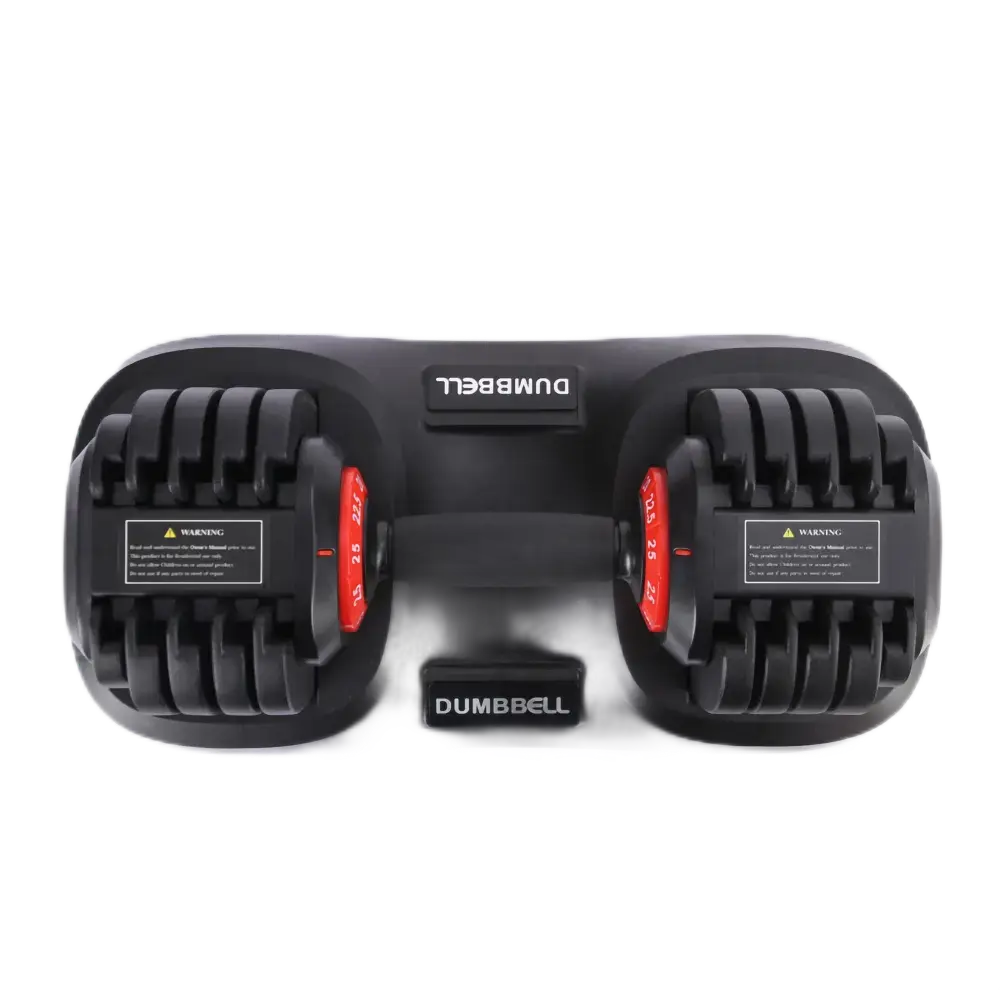
- Prior equipment inspection: Before each class, inspect the safety locking structure and handle stability of every equipment unit. Ensure no loose weight plates or missing parts. Stop using faulty equipment immediately and replace with spares, as falling iron parts may cause collision injuries.
- Reasonable position arrangement: Keep sufficient spacing between participants. Dynamic kettlebell movements have a large swing range, so maintain at least one arm’s length gap in all directions to prevent accidental hits. Place mobile dumbbell racks at the venue edges, and forbid running or loitering around the racks.
- Standard force generation: Kettlebell swings and deadlifts easily lead to improper lumbar stress. Repeatedly remind participants to generate force with hips and legs while keeping the back straight. Provide focused demonstration and one-on-one correction for beginners.
- Prohibited operations: Do not disassemble core parts or adjust weights beyond the standard range during training. Never throw the equipment or strike it hard on the ground. Complete all mode conversion and weight adjustment only when the equipment is stationary.
- Adaptation for special groups: Participants with joint injuries or lumbar discomfort are suggested to use the lightest weights or switch to bodyweight exercises. Pregnant women and elderly participants are recommended to choose static dumbbell movements and avoid high-intensity dynamic kettlebell workouts.
7. Long-Term Operational Value of 3-in-1 Dumbbell Kettlebell for Small Group Classes
For fitness facilities, introducing the 3-in-1 dumbbell kettlebell and developing featured small group classes helps build differentiated competitive advantages.
- Curriculum innovation: Diversified equipment modes support continuous content updates. Instructors can launch featured courses such as kettlebell fat burning classes, dumbbell strength classes and comprehensive functional training classes to raise member renewal rates.
- Cost control: One multi-functional unit replaces multiple traditional fitness gear. Matched with mobile dumbbell racks, it simplifies storage and greatly cuts costs on equipment procurement, space occupation and manual management, which is especially suitable for small and medium-sized gyms and community fitness centers.
- Better user experience: Versatile equipment enriches training content and eliminates the boredom caused by single-type gear. The tiered training model allows trainees of all levels to find suitable intensity, improving overall class satisfaction.
- Durability & cost performance: The solid iron structure withstands daily high-frequency commercial use with a long service life, delivering outstanding long-term value for money.
With growing global demand for multi-functional and compact fitness equipment, the 3-in-1 dumbbell kettlebell will become standard gear for small group fitness classes worldwide.