

News
Adjustable dumbbell strength factory



0102030405
Top Safety Benefits of Dumbbell Racks for Home Gyms
2026-06-16
Table of Contents
- Why Loose Dumbbells Pose Safety Hazards
- How Dumbbell Racks Physically Prevent Tipping and Rolling
- Importance of Child Safety Protection in Home Fitness Zones
- Key Safety Design Features for Adjustable Dumbbell Special Racks
- Structural and Safety Details to Focus on During Procurement & Selection
- FAQ
- Conclusion
Dumbbells are the most fundamental equipment in free-weight training. However, without dedicated storage, dumbbells left loose on the floor become one of the most overlooked safety hazards in homes and semi-open training spaces. For importers, distributors, private brand operators, and gym facility purchasers, understanding the core value of dumbbell racks in preventing dumbbell tipping and protecting child safety is essential to evaluating the competitiveness of strength training accessory product lines.
Why Loose Dumbbells Pose Safety Hazards
Hexagonal or round dumbbells placed on the floor can easily roll when touched slightly. Heavy individual dumbbells can generate kinetic energy several times their own weight when tilted, leading to crushing injuries. According to U.S. home safety statistics, a significant proportion of home accidents related to fitness equipment result from heavy weights rolling away or tripping over randomly stacked dumbbells. In residential environments with children or pets, dumbbells scattered in living rooms, bedrooms, or storage corners carry potentially fatal risks. Young children may attempt to lift, climb, or treat dumbbells as toys, leading to tipping and crushing accidents.

How Dumbbell Racks Physically Prevent Tipping and Rolling
Professional dumbbell racks / dumbbell storage racks eliminate these risks through the following design mechanisms:
- Limited Slots & Saddle‑Style Brackets Sloped or U‑shaped holders secure each pair of dumbbells in independent compartments, preventing hexagonal or round handles from rolling. Dumbbells stay stable even under lateral impact.
- Low Center of Gravity & Wide Base Design Heavy‑duty steel frames distribute weight across an enlarged rectangular base, with the heaviest dumbbells placed on the bottom layer. This significantly lowers the overall center of gravity and prevents the fully loaded rack from tipping over.
- Anti‑Slip Rubber Feet Rubber floor protectors safeguard flooring surfaces while increasing static friction. The rack resists sliding even if bumped during daily workouts.
- Wall‑Mounted & Elevated Storage Options Wall‑mounted dumbbell racks lift weights completely out of children’s reach, physically blocking access.
Importance of Child Safety Protection in Home Fitness Zones
In recent years, the home fitness equipment market in Europe and America has grown rapidly. Home dumbbell racks with child‑safe protection have become a standard selling point for home gym setups. Storing adjustable or fixed dumbbells on dedicated racks above a locked height effectively:
- Prevents young children from lifting dumbbells over 5 lbs, avoiding finger pinching or crushing injuries
- Stops children from using dumbbells as climbing steps or push toys, preventing weight collapse
- Removes floor obstacles and reduces tripping risks for caregivers and family members
For brands, labeling compliance with ASTM F2216 or EN 957 strength equipment storage safety guidelines in product descriptions, and emphasizing child‑resistant design, helps access the mid‑to‑high‑end European and American markets focused on home safety.
Key Safety Design Features for Adjustable Dumbbell Special Racks
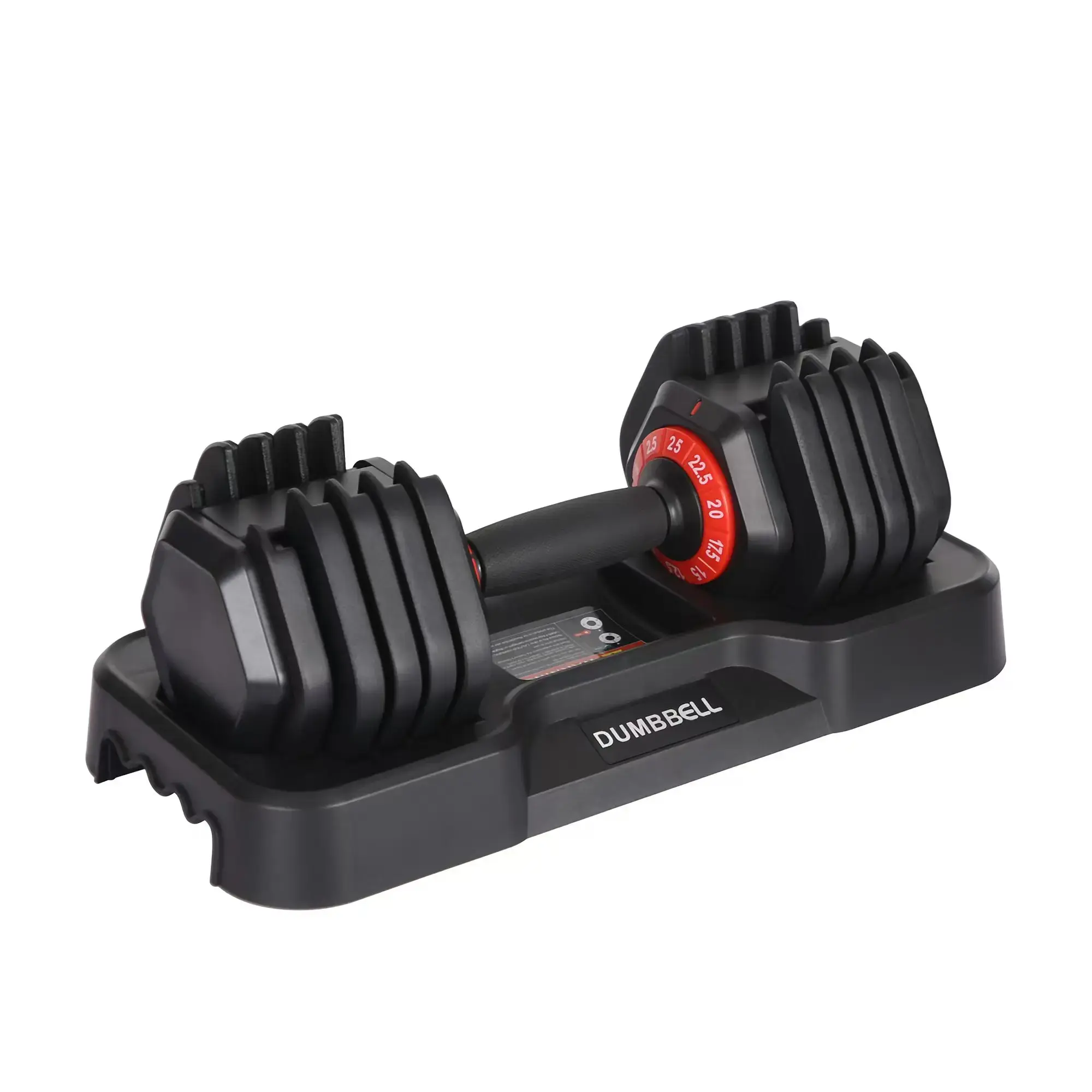
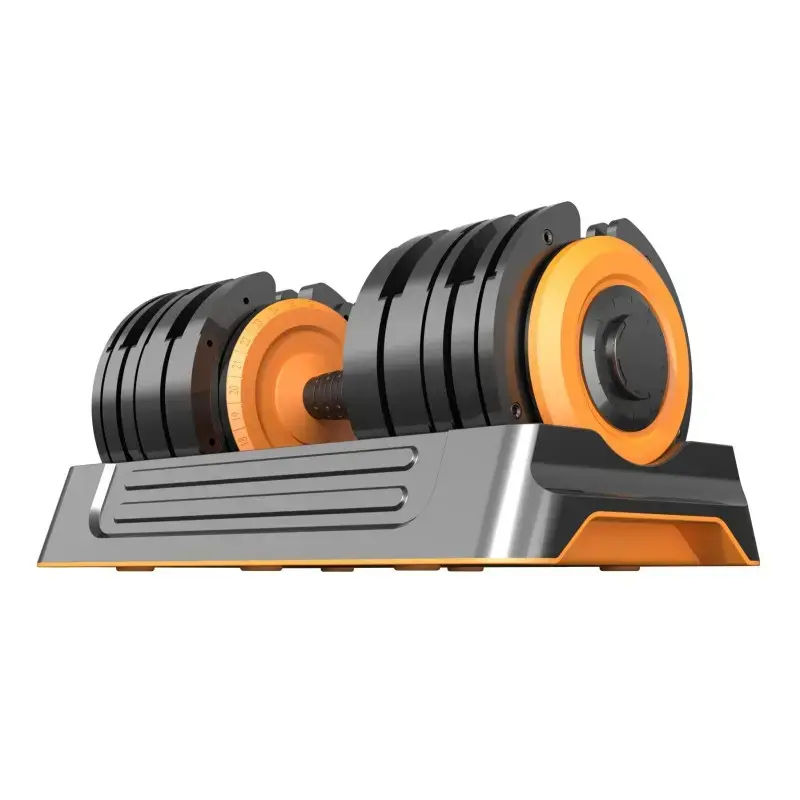
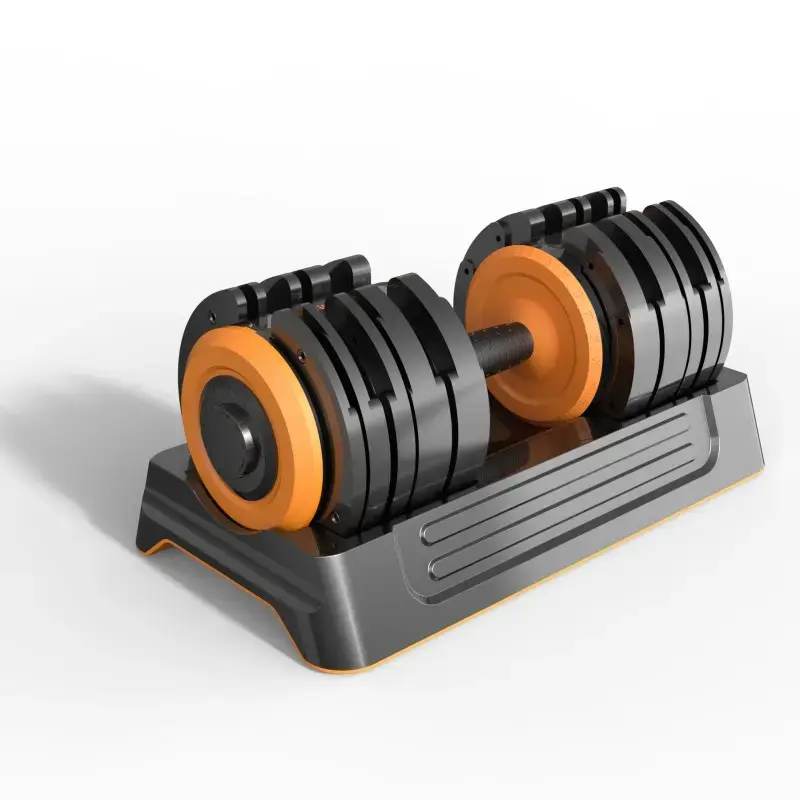
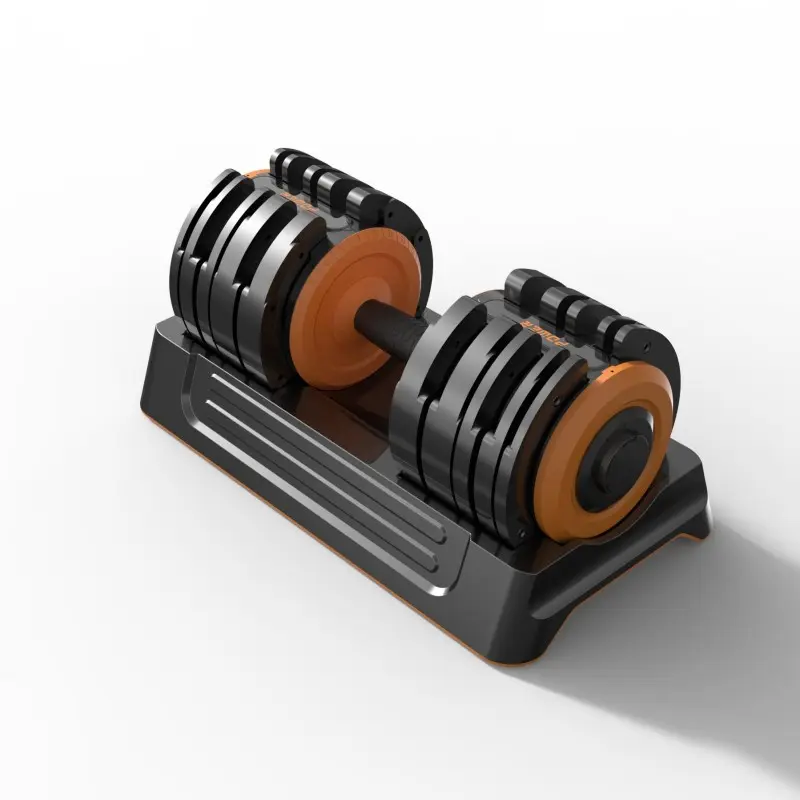
Adjustable Dumbbell Standsare engineered to fit the tray dimensions of quick‑Adjustable Dumbbells, differing from general multi‑tier dumbbell racks:
- Trays feature limit baffles or Velcro strap slots to prevent adjustable dumbbells from sliding sideways during lifting and removal
- Ergonomic height design – typically 28 to 32 inches above ground – reduces posture imbalance and accidental tipping when bending to retrieve weights
- Weighted bases or optional anchor holes resist torque from frequent one‑sided loading and maintain stability
- Powder‑coated steel construction with rounded edges prevents sharp cuts for users and children
Structural and Safety Details to Focus on During Procurement & Selection
| Evaluation Item | Recommended Specification | Procurement Value |
|---|---|---|
| Steel Thickness | Carbon steel over 1.5–2 mm (approx. 14–16 gauge) | Ensures full‑load bending resistance and long‑term weld stability |
| Single‑Tier Load Rating | 20–30% safety margin above actual total weight | Prevents deformation and tipping caused by overloading |
| Surface Treatment | Electrostatic powder coating | Sweat‑resistant, scratch‑proof, and compliant with REACH phthalate limits |
| Base Components | Thickened anti‑slip rubber feet or lockable swivel casters with brakes | Prevents sliding and enables secure locking on ramps |
| Compliance Documents | ISO 9001 factory certification, load test reports | Meets factory audit requirements for large retailers and gym chains |

FAQ
Q: Which is safer – A‑frame dumbbell racks or multi‑tier horizontal racks? A: Both include anti‑roll slots. A‑frame racks save space and suit homes, but require sufficient base width to prevent forward tipping. Multi‑tier horizontal racks generally have wider, more stable bases, ideal for high‑frequency commercial use.
Q: Do adjustable dumbbells require a dedicated stand? A: Not mandatory, but adjustable dumbbells have wide, irregular bases and easily slide on standard flat shelves. Dedicated stands with side guards better prevent accidental drops and handle mechanism damage.
Q: Can a wall‑mounted rack hold a pair of 40 kg adjustable dumbbells? A: Wall material and expansion bolt grade must be verified. Concrete or solid brick walls with M8+ bolts can support such weight. Drywall or lightweight partitions are not recommended – a floor stand is safer.
Q: Can a dumbbell rack itself tip over? A: Compliant products pass load testing without tipping under full load. When purchasing, require manufacturers to provide tipping test data. Always place Heavy Dumbbells on lower tiers and light ones on top.
Q: What rack features provide the greatest child safety benefits? A: Elevated wall‑mounted units or enclosed storage cabinets with locking fences offer the highest protection. Open floor racks should at minimum have a wide base, rounded corners, and heavy weights on the bottom to reduce tipping risk.
Conclusion
A dumbbell rack is more than just storage for strength training areas – it is essential safety equipment that prevents heavy weight tipping and creates a high‑safety home fitness environment. For wholesale importers and brand buyers, selecting steel dumbbell storage racks and dedicated adjustable dumbbell stands with stable structures, anti‑slip feet, and saddle limit slots – while highlighting child‑safety features in product offerings – will better meet the growing demand for responsible fitness equipment in European and American home markets. When evaluating suppliers, request static load and tipping test reports, and confirm production capacity supports OEM size customization and color box branded packaging.