

knowledge
Adjustable dumbbell strength factory
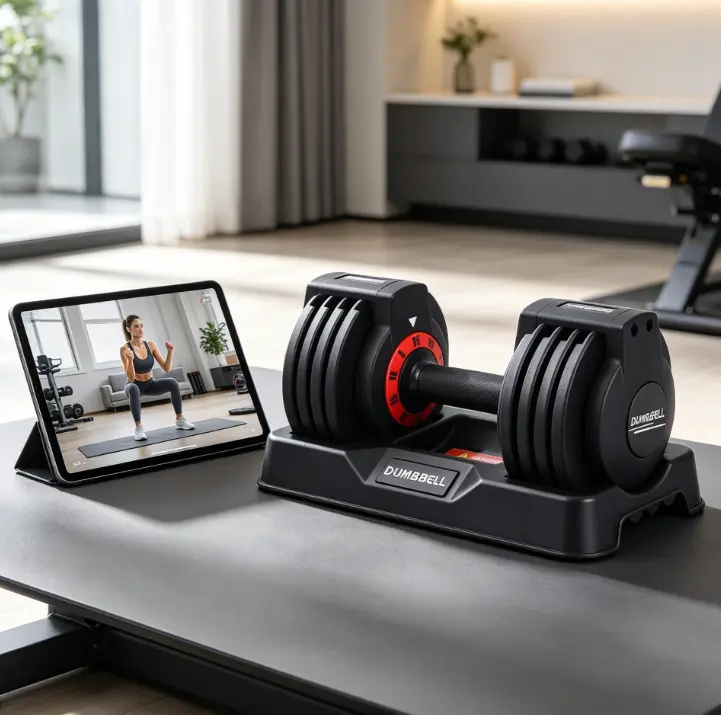
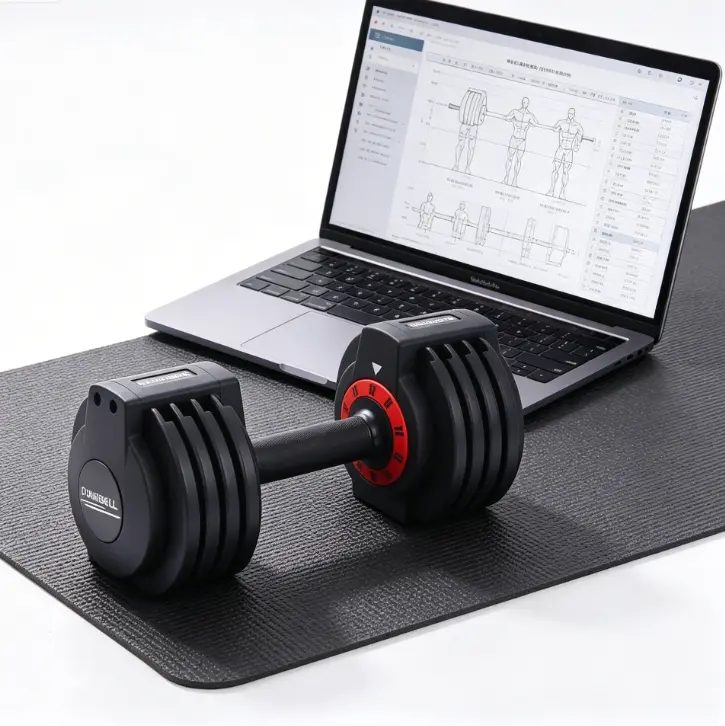


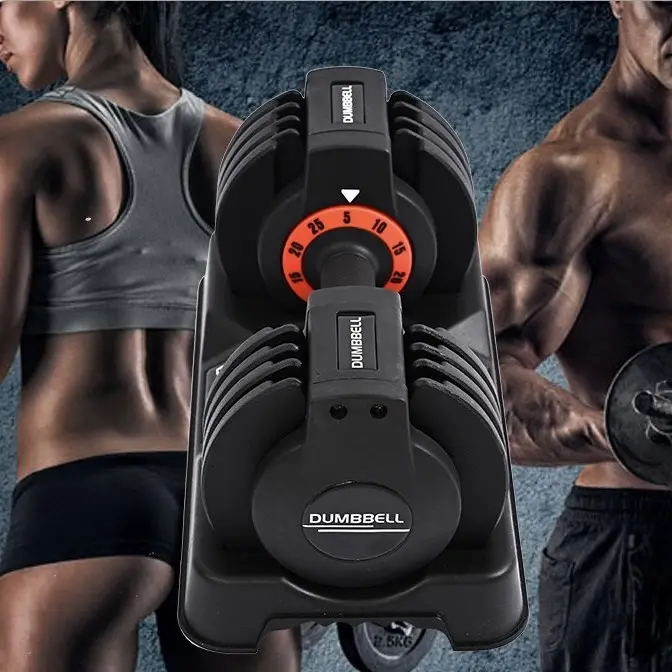
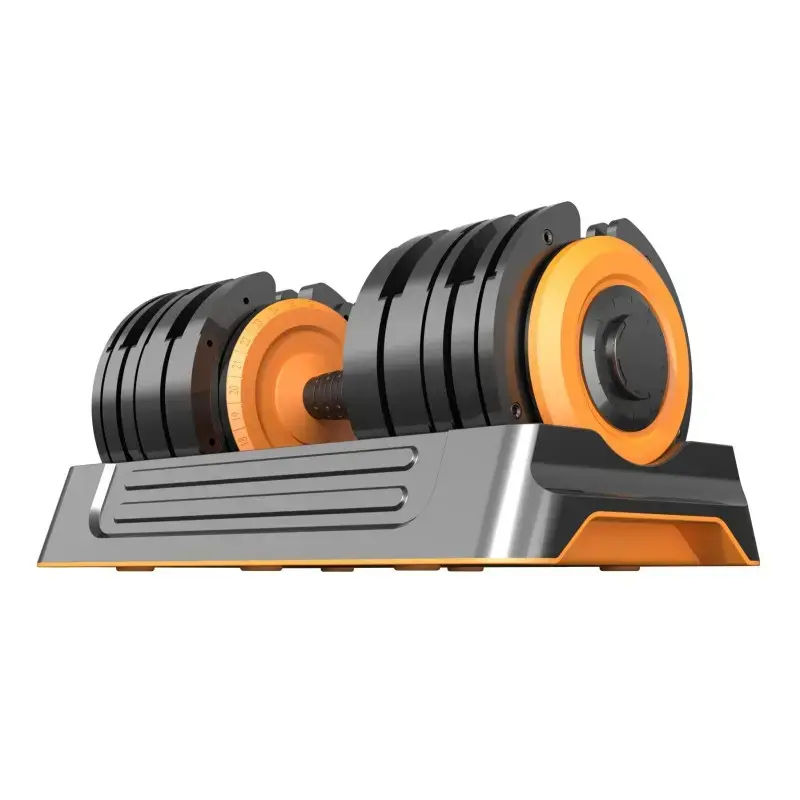

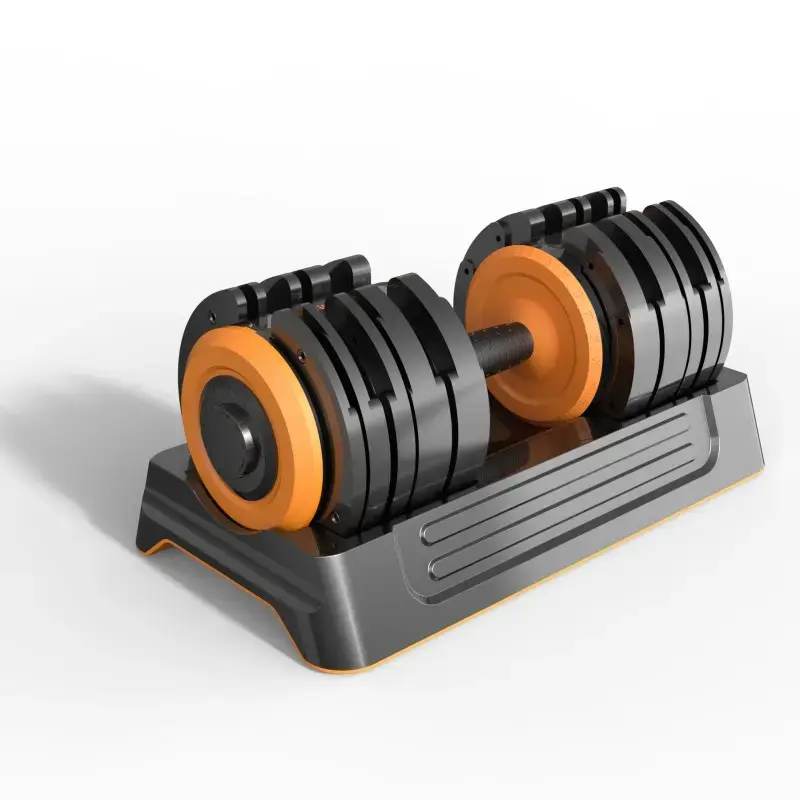
3-in-1 Dumbbell Kettlebell Combo: The Future of Fitness Gear
2026-08-03
In the evolving landscape of home and commercial fitness equipment, the 3-in-1 dumbbell kettlebell combo has emerged as a strategic sourcing priority for distributors across North America, Europe, and Australasia. This modular training system integrates three essential strength modalities—Adjustable Dumbbells, functional kettlebells, and barbell conversion—into a single SKU. For procurement managers handling big-box retailers or boutique fitness chains, understanding the engineering logic behind this equipment is key to optimizing inventory turnover and meeting consumer demand for space-efficient solutions.
Defining the 3-in-1 Dumbbell Kettlebell Combo System
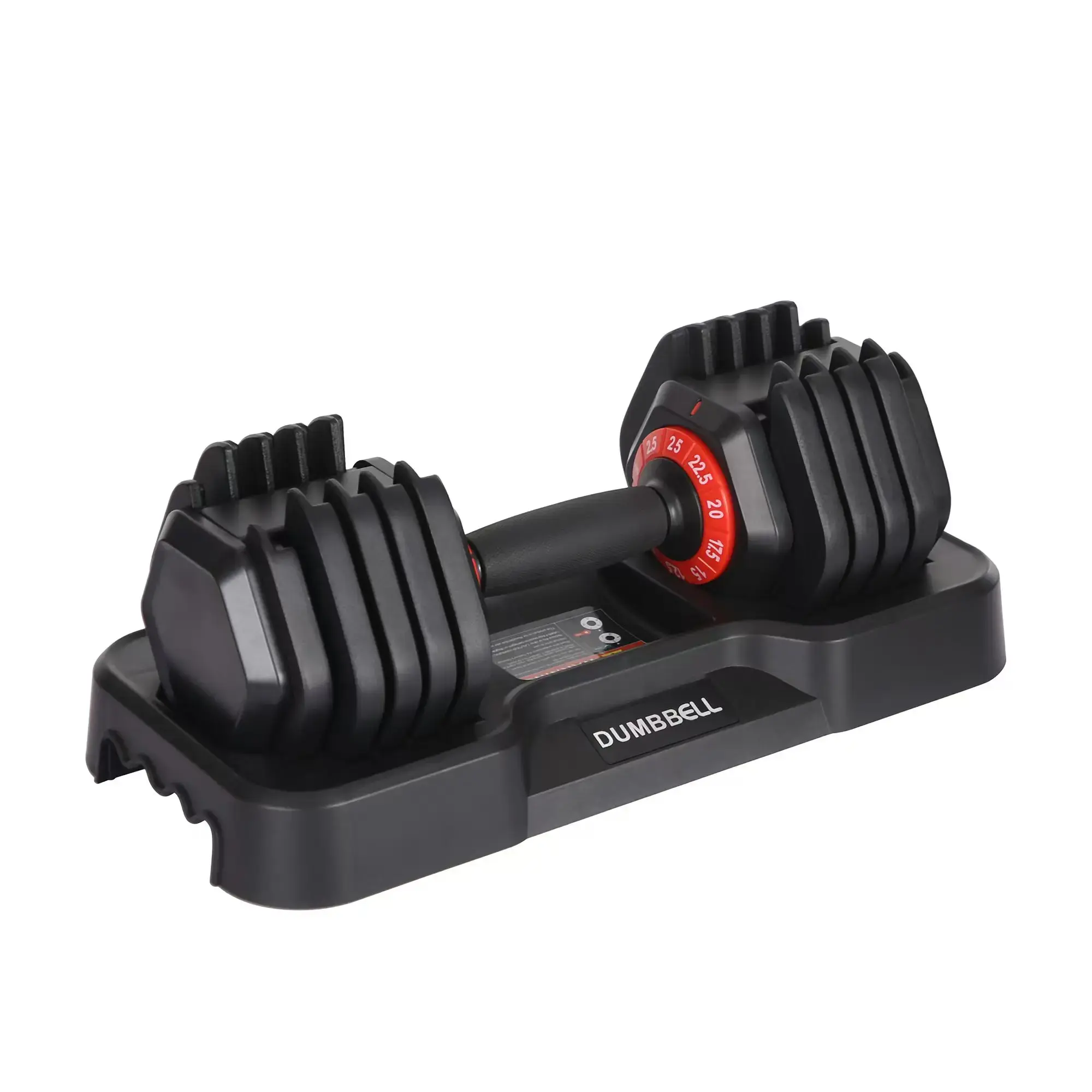
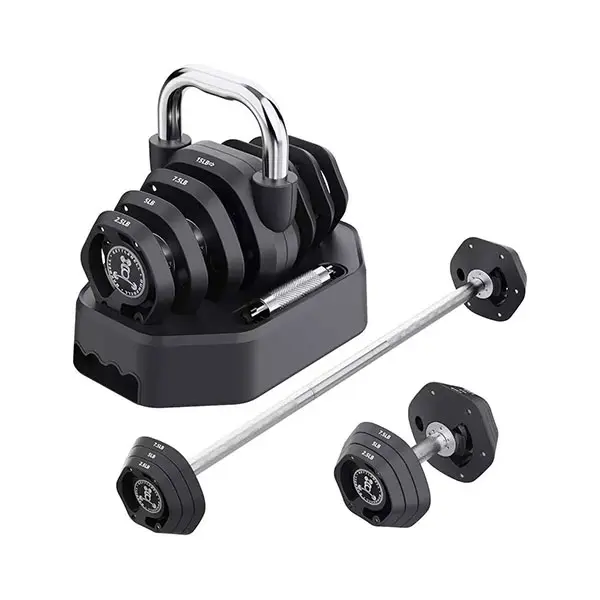
Unlike traditional fixed-weight equipment, the 3-in-1 dumbbell kettlebell combo operates on a "shared weight plate + interchangeable handles" architecture. A standard unit comprises a pair of textured grip handles (designed for both neutral-grip dumbbell work and wide-horn kettlebell swings), a set of precision-calibrated cast iron weight plates, a steel connector rod for barbell assembly, and a storage cradle.
The primary distinction lies in its dual adaptability. A standard 55lb configuration allows users to transition from a 10lb dumbbell into a 55lb kettlebell simply by swapping the handle orientation. By connecting both handles via the central bar, the system converts into a full barbell capable of supporting heavy compound lifts. This versatility covers the entire spectrum from rehabilitation and warm-ups to high-intensity powerlifting.
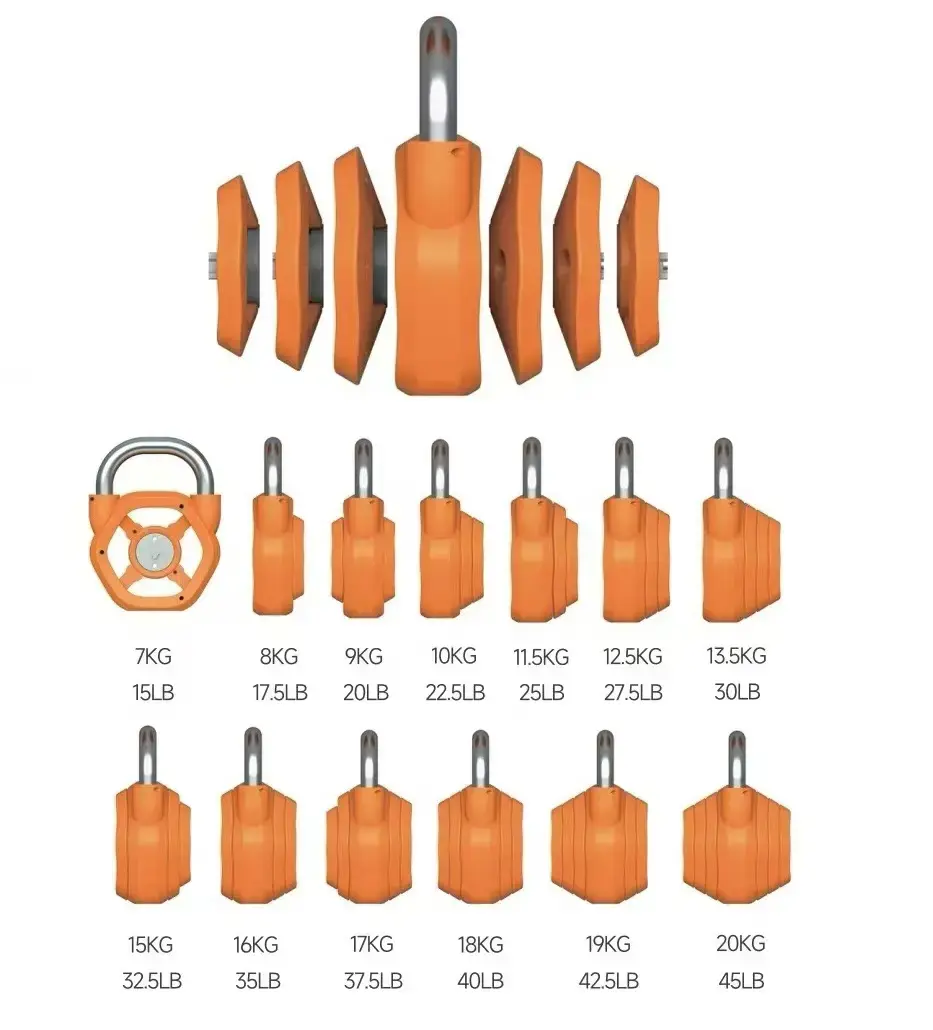
Advantage 1: Optimizing Retail Shelf Space and Inventory ROI
Space constraints remain the top barrier for home gym adoption. A single 3-in-1 dumbbell kettlebell combo occupies approximately 75% less floor space than purchasing three separate pieces of equipment. For B2B buyers supplying e-commerce platforms like Wayfair or physical retail chains, this translates into lower warehousing costs and reduced shipping cubic volume.
From an inventory management perspective, stocking traditional fixed-weight dumbbells and kettlebells often requires 20+ SKUs to cover basic weight increments. In contrast, carrying just three core combos (e.g., 25lb, 45lb, and 90lb kits) effectively replaces 15+ individual products. This SKU consolidation reduces dead stock risk and improves cash flow efficiency by an estimated 30–40%, making it a high-margin category for distributors targeting urban markets where living spaces are shrinking.
Advantage 2: Biomechanical Versatility for Functional Training
The biomechanical design of the 3-in-1 dumbbell kettlebell combo addresses specific training requirements. The dumbbell handle typically maintains a 30–32mm diameter, aligning with ergonomic standards for bicep curls and shoulder presses. Conversely, the kettlebell handle features a widened, curved profile (35–38mm) to facilitate proper hand insertion during ballistic movements like the Kettlebell Swing and Turkish Get-Up.
High-quality units feature anti-slip knurling on both the handles and the perimeter of the weight plates. This ensures a secure grip during high-sweat sessions and prevents the plates from shifting during dynamic transitions. For commercial gym operators, this multi-modality capability means fewer equipment purchases to satisfy diverse member preferences, from CrossFit enthusiasts to general strength trainers.
Advantage 3: Material Durability and Total Cost of Ownership (TCO)
Procurement professionals evaluating the 3-in-1 dumbbell kettlebell combo should prioritize build specifications. Premium models utilize cast iron cores with a powder-coated or PVC/TPU overlay to prevent rust and minimize acoustic impact on flooring. The internal locking mechanism—whether dial-based or pin-lock—must withstand over 100,000 adjustment cycles without failure.
When calculating the Total Cost of Ownership (TCO), the 3-in-1 dumbbell kettlebell combo outperforms cheap, single-purpose imports. While entry-level fixed dumbbells may require replacement every 3–5 years due to wear and tear, a robust combo unit maintains structural integrity for 8–10 years. For apartment complexes and corporate wellness centers, this longevity reduces the lifetime CapEx (Capital Expenditure) by nearly 40%.
Critical Procurement Checklist for B2B Buyers
To ensure product compliance and market acceptance, B2B buyers must vet suppliers against these technical benchmarks:
- Safety Certifications: Verify compliance with ASTM F2216 (Standard Specification for Resistance Exercise Equipment) for the North American market and EN 957 for the European Union.
- Locking Mechanism Security: Assess whether the weight plates lock securely with an audible click. Loose plates pose significant liability risks in commercial settings.
- Weight Tolerance: Ensure the actual weight deviation is within ±2% of the stated value to maintain professional training standards.
- Material Finish: Opt for powder-coated cast iron over painted finishes to resist chipping and corrosion in humid environments like locker rooms.
Selecting a 3-in-1 dumbbell kettlebell combo based solely on unit price often leads to higher return rates. Prioritizing engineering quality and regulatory compliance protects brand reputation and drives long-term profitability.