

News
Adjustable dumbbell strength factory

0102030405
How to Choose Home Dumbbells? 3 Steps to Avoid Buying Mistakes
2026-04-17
A Complete Guide for Home Fitness & Global Importers
Table of Contents
- Step 1: Choose the Right Type for Home Space & Training Goals
- Step 2: Select the Correct Weight – No Guesswork, No Waste, No Injury
- Step 3: Check Material & Build Quality – Durability & Safety Come First
- 3 Common Mistakes in Home Dumbbell Buying
- Conclusion
- Related Keywords
Home Dumbbells are essential equipment for home workouts. A proper set supports full-body muscle training, helping users achieve body shaping, muscle gain, and fat loss. However, the market offers a confusing variety of types, wide weight ranges, and inconsistent quality. Many people end up with ineffective training, potential injuries, or unused equipment due to poor choices.
From the perspective of both global importers and home users, this article breaks down the core logic of buying home dumbbells, guiding you to make the right choice in just 3 steps and avoid all pitfalls.
Step 1: Choose the Right Type for Home Space & Training Goals
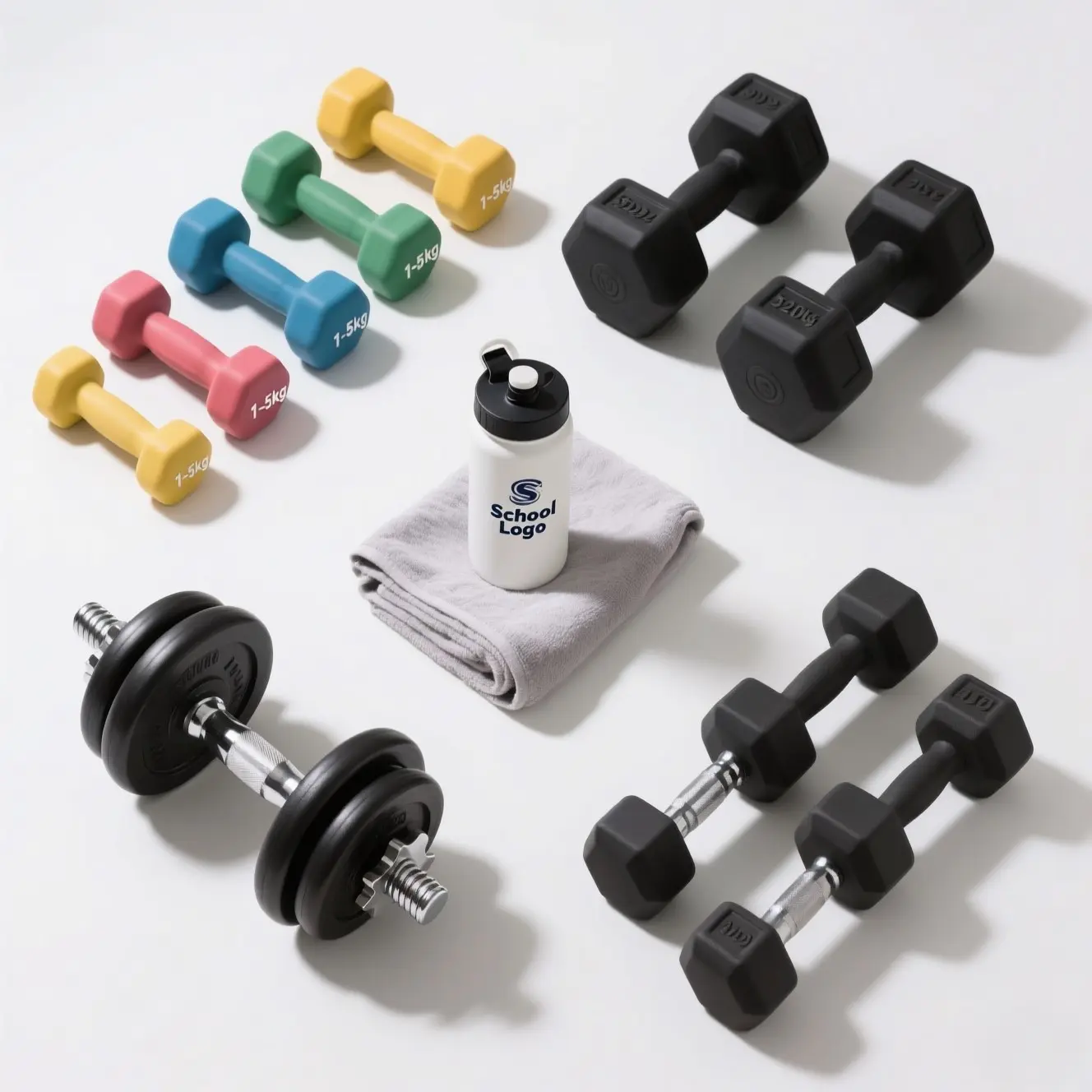
Home dumbbells mainly come in three categories: fixed-weight dumbbells, Adjustable Dumbbells, and 2-in-1 dumbbell/kettlebell. Choose based on your available space, budget, and training plan.
1. Fixed-Weight Dumbbells
Features: One-piece molded structure, stable, no wobbling, natural grip, ready to use without setup.
Suitable for: Users with clear training goals, enough space, and preference for solid stability. Ideal for beginners building fundamentals and advanced users doing targeted training.
Common styles:
- Hexagonal Rubber-Coated Dumbbells: anti-rolling, anti-collision, silent
- Dipped small dumbbells: lightweight, colorful, perfect for women’s body shaping
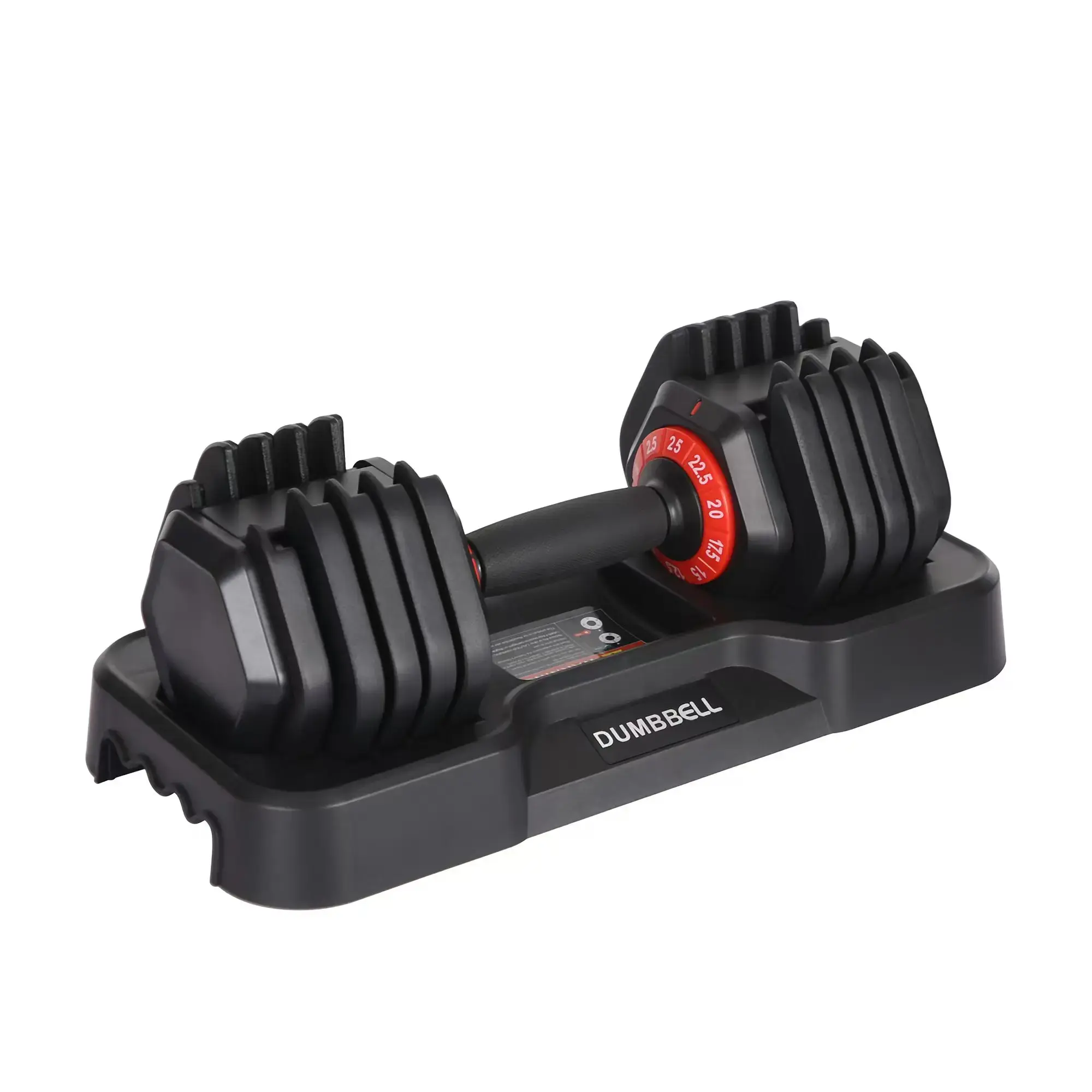
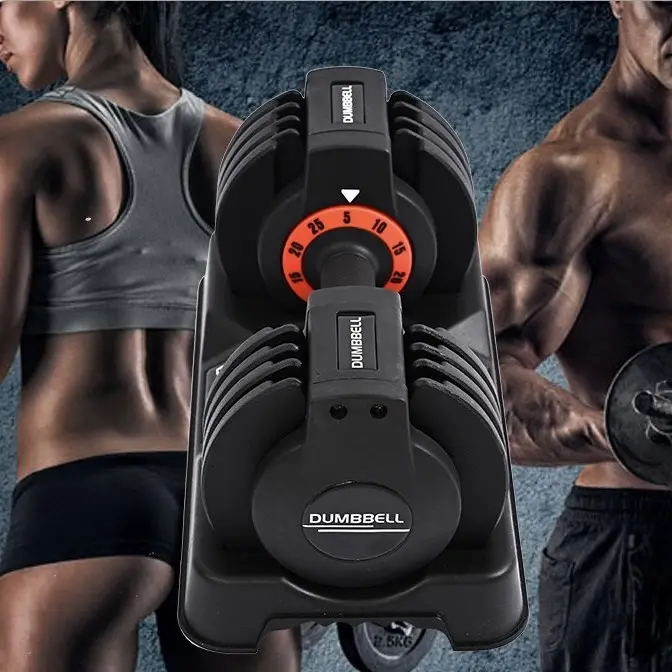
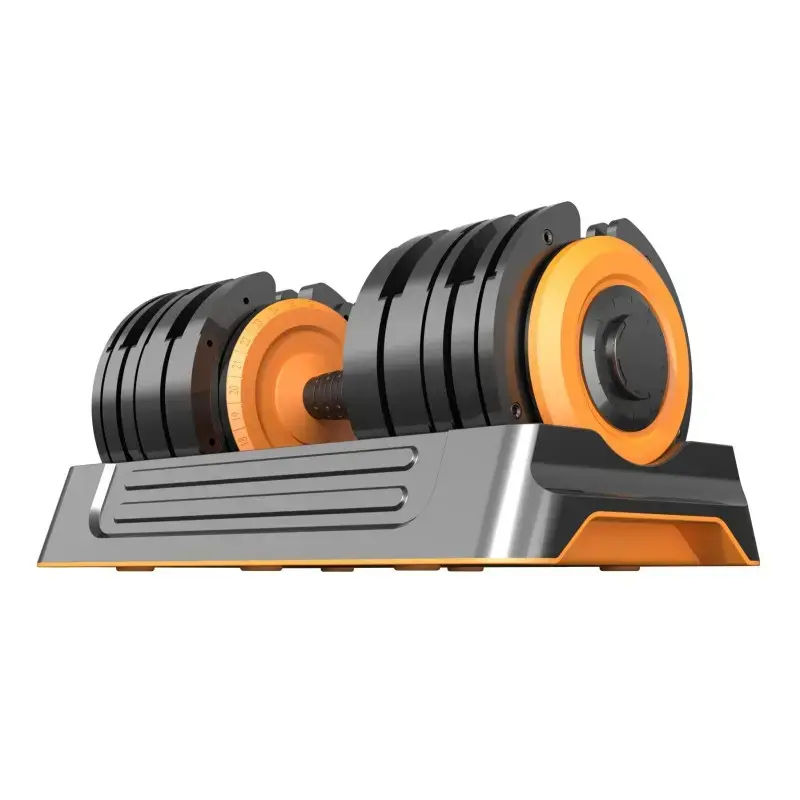
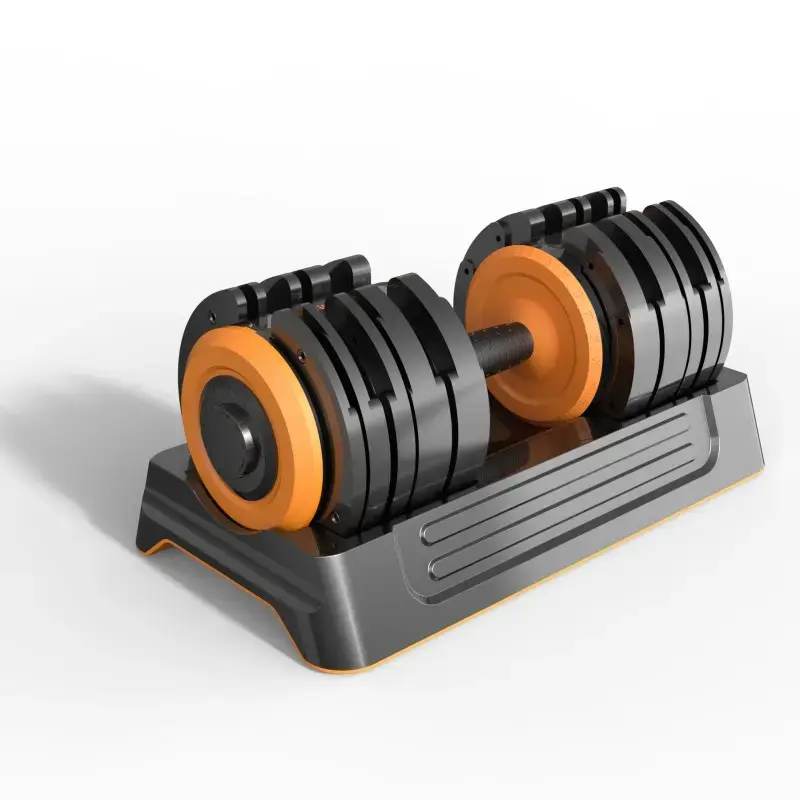
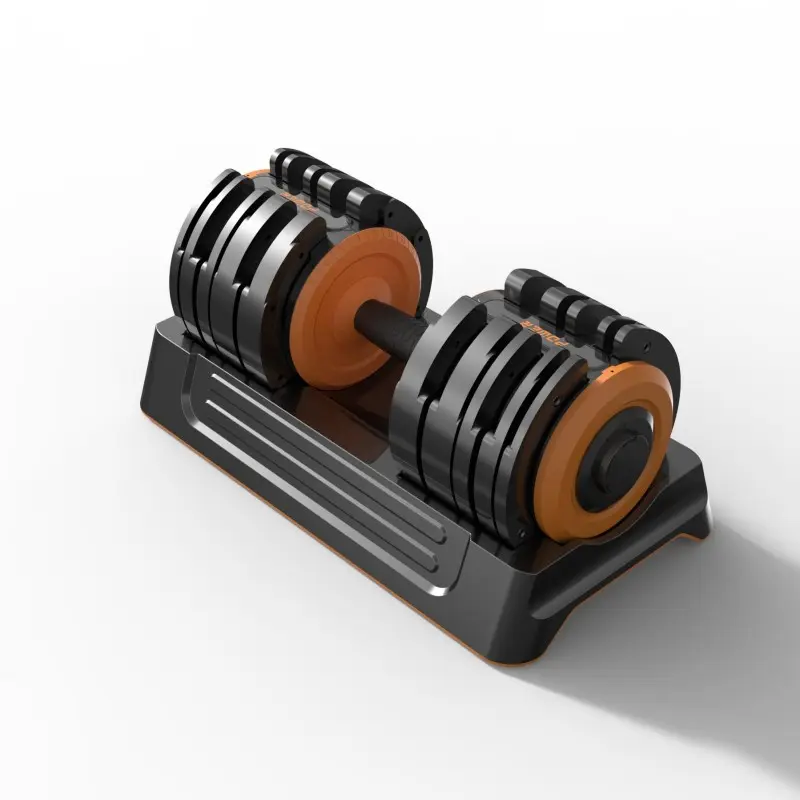
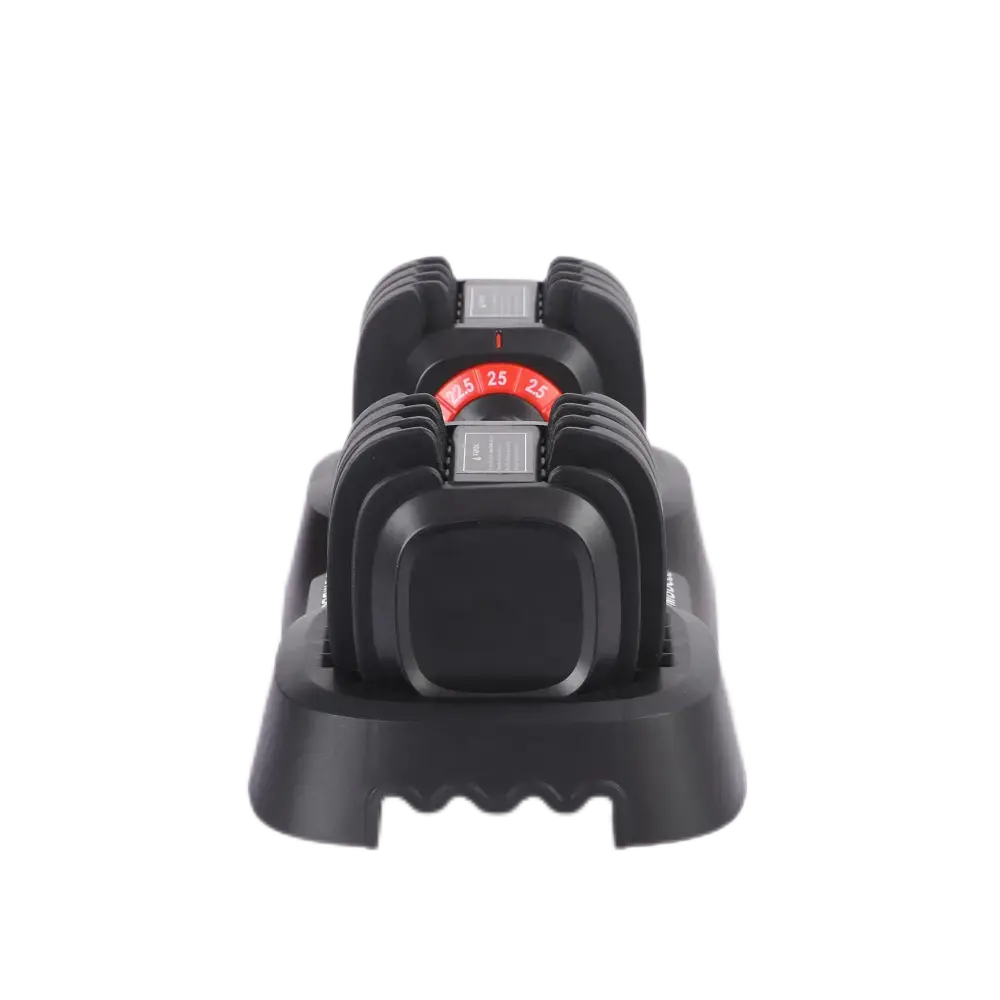
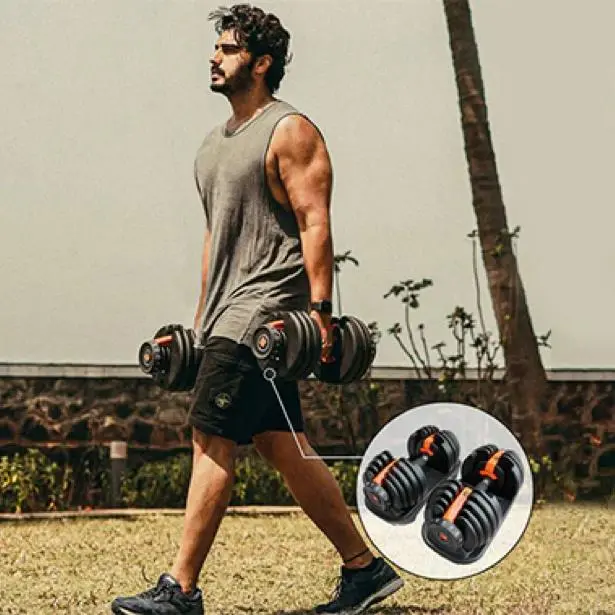
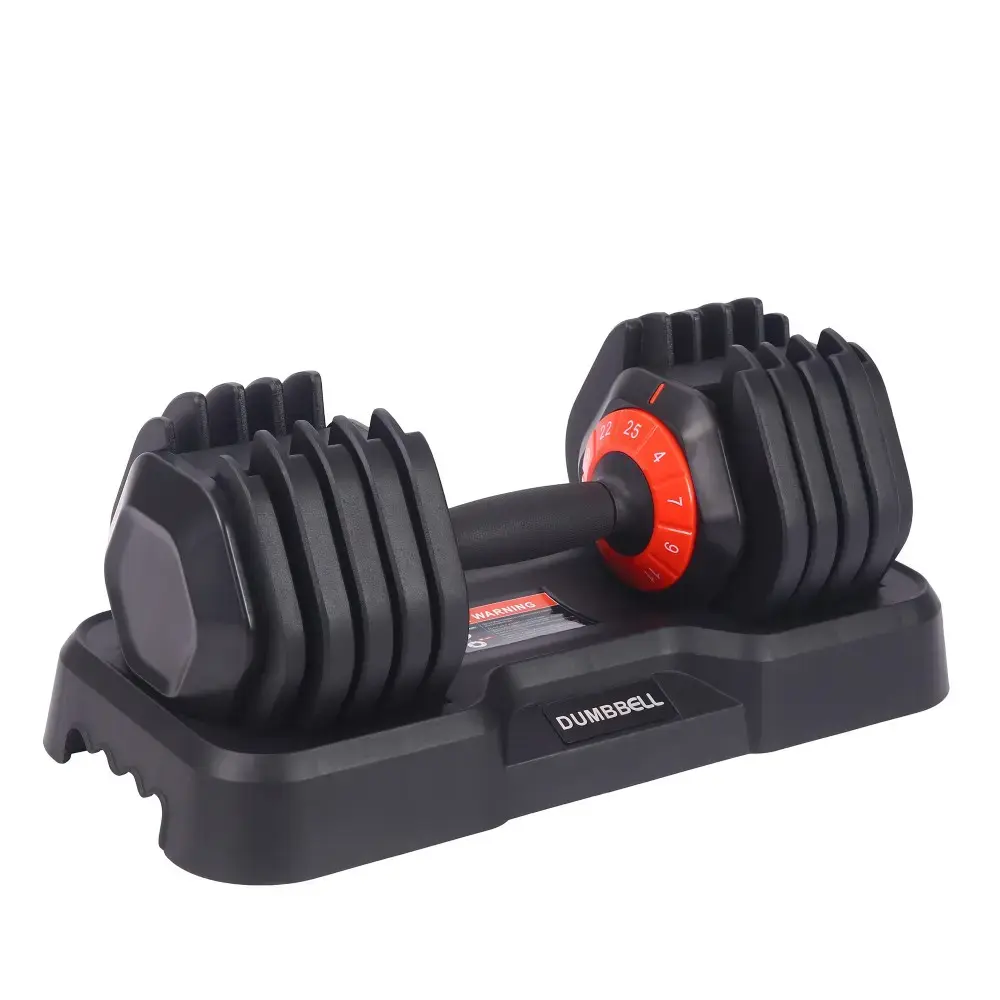
2. Adjustable Dumbbells (Top Pick for Home Use)
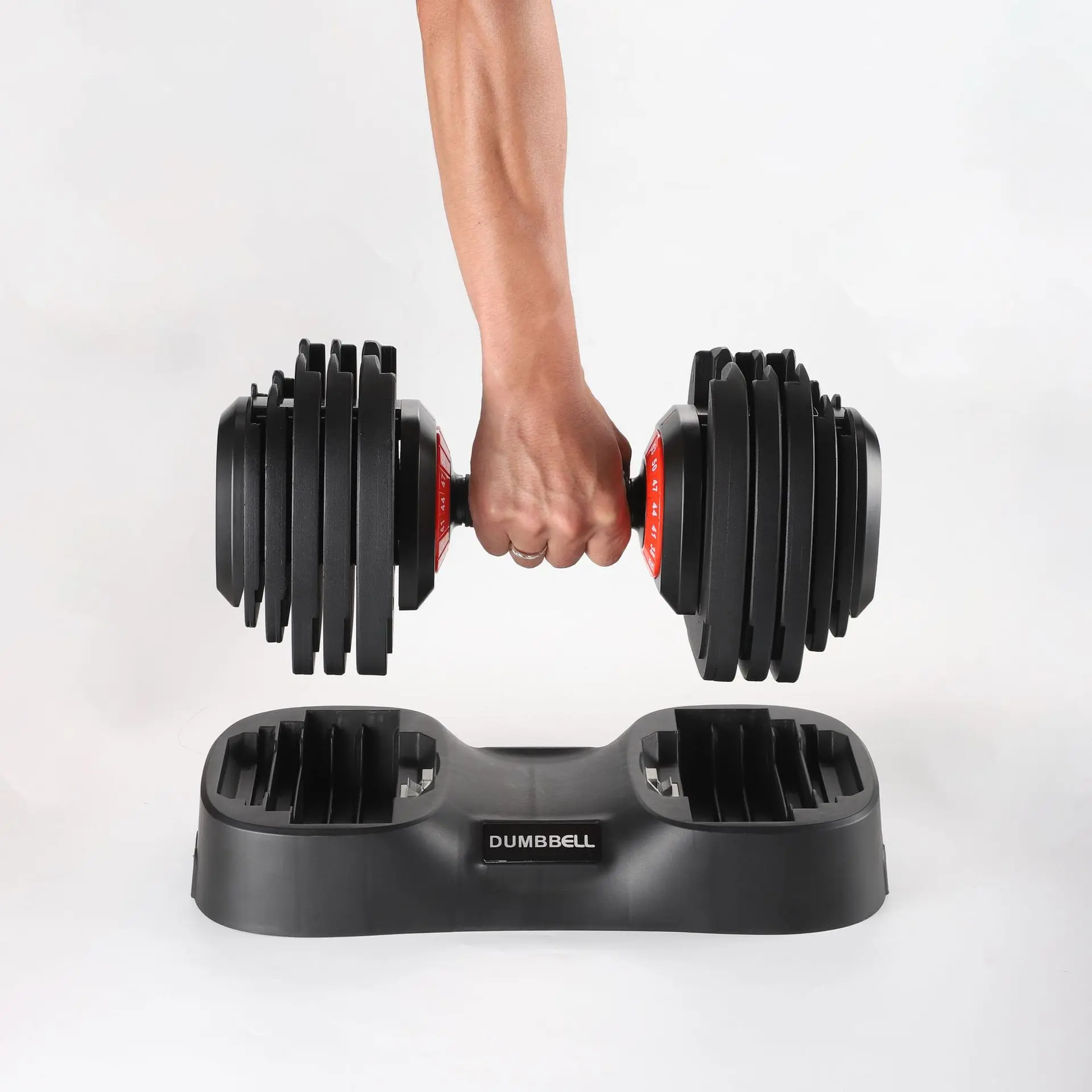
Features: Multiple weights in one set, space-saving, high cost-performance. Some quick-adjust models finish weight changes in 1–3 seconds, and can be stored with a dumbbell rack.
Suitable for: Users with limited home space, needing full-body training, and planning progressive overload. The most popular choice for modern home fitness.
Sub-types:
- Pin-adjustable: fast weight switching, secure locking, no looseness
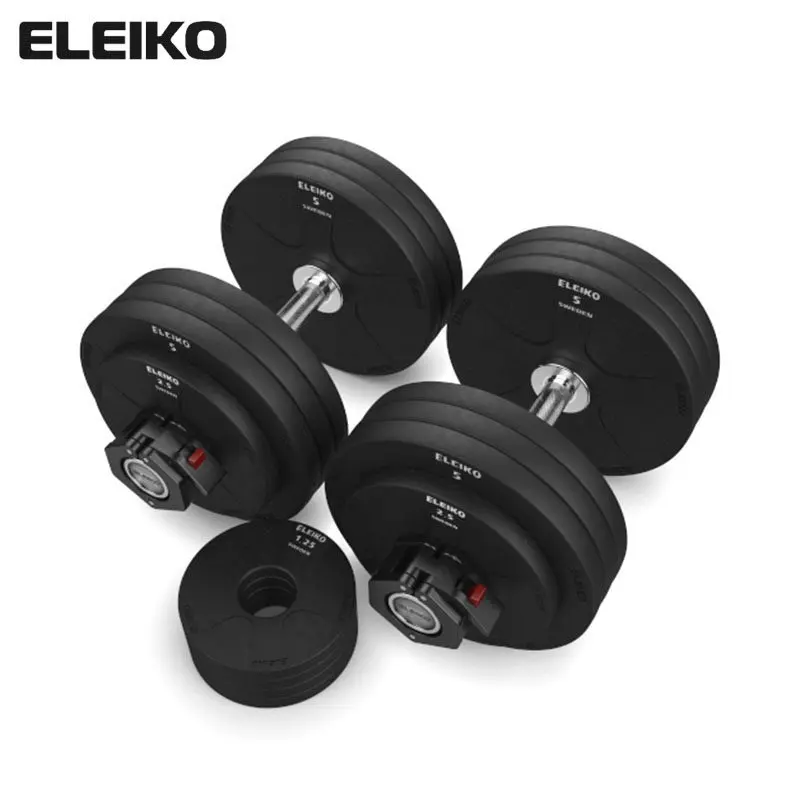
- Twist-adjustable: easy operation, compatible with various weight plates
- 2-in-1 dumbbell/kettlebell: dual-purpose design, supports more exercise variations
3. Dumbbell Set with Storage Rack
Features: Equipped with a dedicated rack for easy access, tidy storage, and space efficiency.
Suitable for: Users building a small home gym, switching between multiple weights, and valuing organized setup.
Buying Key: Choose adjustable dumbbells for most homes; fixed dumbbells if space is sufficient; 2-in-1 dumbbell/kettlebell for versatile training.
Step 2: Select the Correct Weight – No Guesswork, No Waste, No Injury
Weight is the most critical factor. Too light = no results; too heavy = high injury risk. Decide weight based on training goal, gender, muscle group, and progression plan.
1. Choose Weight by Training Goal
- Body shaping / Fat loss: Weight allowing 15–25 reps per set, with slight struggle in the last 2 reps.
- Women: 1–3 kg per dumbbell
- Men: 3–5 kg per dumbbell
- Muscle gain / Strength building: Weight allowing 8–12 reps per set, with maximum effort in the last 2 reps.
- Women: 3–6 kg per dumbbell
- Men: 5–10 kg per dumbbell
- Large muscle groups (legs, back, chest): increase weight by 30%–50%
- Small muscle groups (arms, shoulders): decrease weight by 30%
2. Golden Weight Test Standard
A weight is suitable if you can perform 12 strict reps with good form, and start struggling on the 13th rep.
3. Weight Range for Adjustable Dumbbells
- Beginners: 2.5–20 kg adjustable range, covering entry to intermediate
- Advanced users: 5–30 kg+ adjustable range for long-term muscle growth
Avoidance Tip: Reject products with vague labeling (e.g., “20kg total weight” meaning two dumbbells combined). Always confirm weight per dumbbell.
Step 3: Check Material & Build Quality – Durability & Safety Come First
Material directly determines lifespan, grip, and safety. Poor-quality materials easily crack, chip, show inaccurate weight, or rust.
1. Main Material Comparison
- Solid cast iron / pure steel: High density, small size, accurate weight, durable, rust-resistant, solid grip. Top choice for premium home use.
- Rubber-coated / dipped: Outer rubber layer, anti-collision, silent, non-slip, floor-friendly. Great for household environments.
- Cement / iron-sand filled: Low cost, bulky, easy to crack and leak, large weight deviation. Strongly not recommended.
2. Build Quality & Detail Check
- Grip: 3–4 cm diameter (fits most hands), knurled or anti-slip texture, no discomfort or slipping
- Stability: Adjustable dumbbells must lock tightly, minimal wobble, no loose plates
- Anti-rolling: Prefer hexagonal design for stable placement and safety
- Weight accuracy: error within 5%, no short-weight products
3 Common Mistakes in Home Dumbbell Buying
Mistake 1: Heavier is better – blind pursuit of big weights
Many beginners assume heavier means better results. In reality, overweight leads to bad form, joint strains, muscle pulls, and long-term damage to the lower back and shoulders.
Correct approach: Choose appropriate weight based on ability, progress gradually, increase by no more than 2.5 kg each time.
Mistake 2: Only look at price, ignore material and quality
Cheap dumbbells often use cement filling, false labeling, and rough workmanship. They crack, chip, or rust within months, wasting money.
Correct approach: Prioritize solid cast iron or rubber-coated dumbbells with accurate weight, solid build, and secure locking.
Mistake 3: Buy fixed dumbbells without considering space; buy adjustable ones ignoring adjustment speed
Multiple fixed dumbbells take too much space and are often abandoned. Low-quality adjustable dumbbells adjust slowly and loosen easily, ruining training rhythm.
Correct approach: Choose quick-adjustable dumbbells for home use, balancing space, efficiency, and stability.
Conclusion
Choosing the right home dumbbell only takes 3 steps: first select the type that fits your space, then match the correct weight, and finally verify material and build quality.
By avoiding the three mistakes of blind heavy selection, cheapskate buying, and ignoring space, you will get durable, safe, and suitable equipment for efficient, safe, and sustainable home fitness.
For both beginners and advanced users, choosing the right dumbbell is the first step to successful home training.