

News
Adjustable dumbbell strength factory


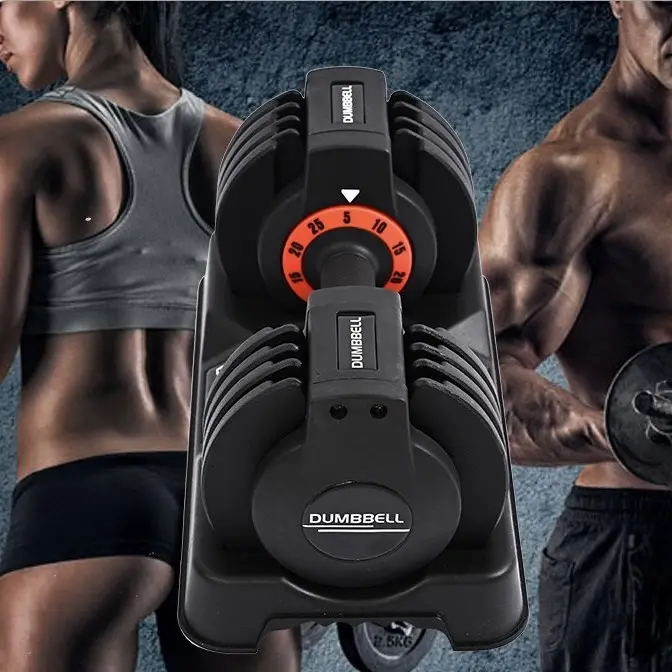
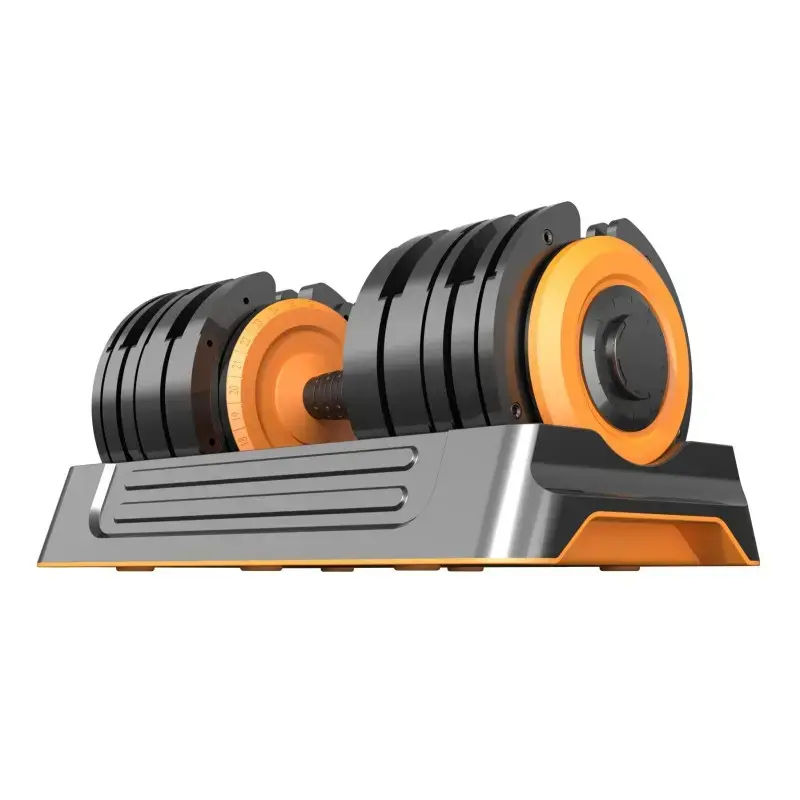

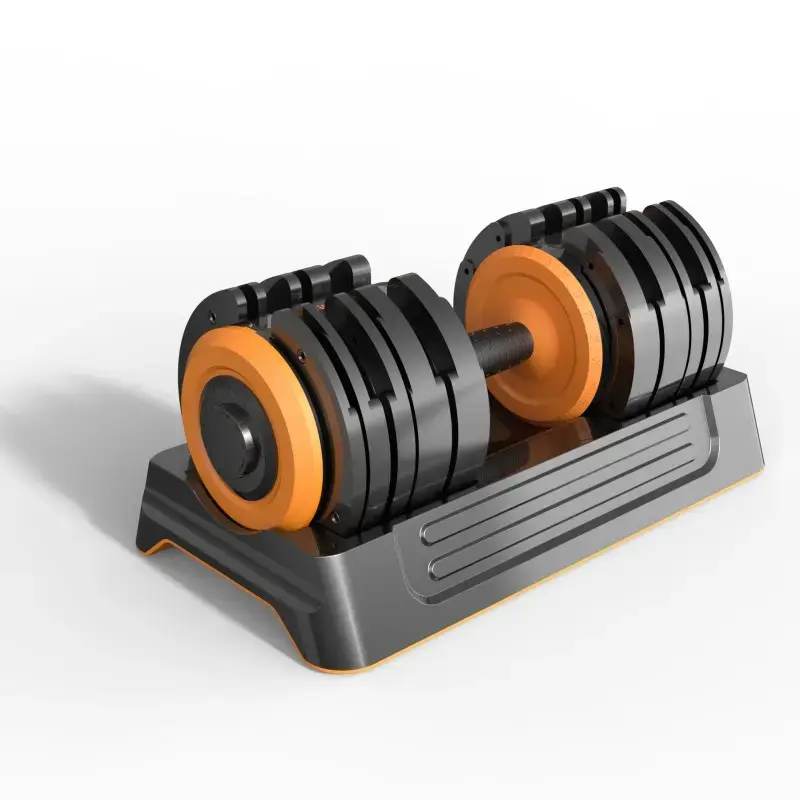
Revolutionary 3-in-1 Adjustable Dumbbells: Unlimited Weight Options
2026-06-23
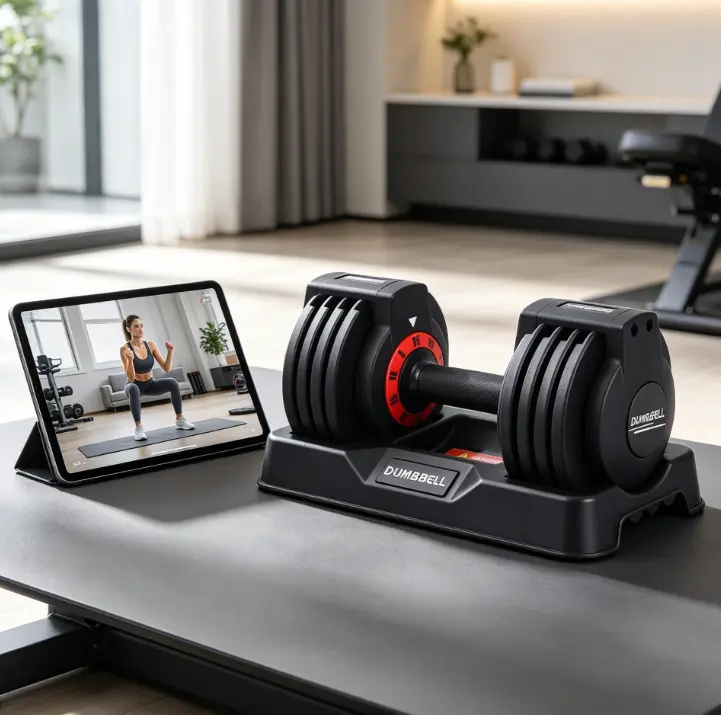
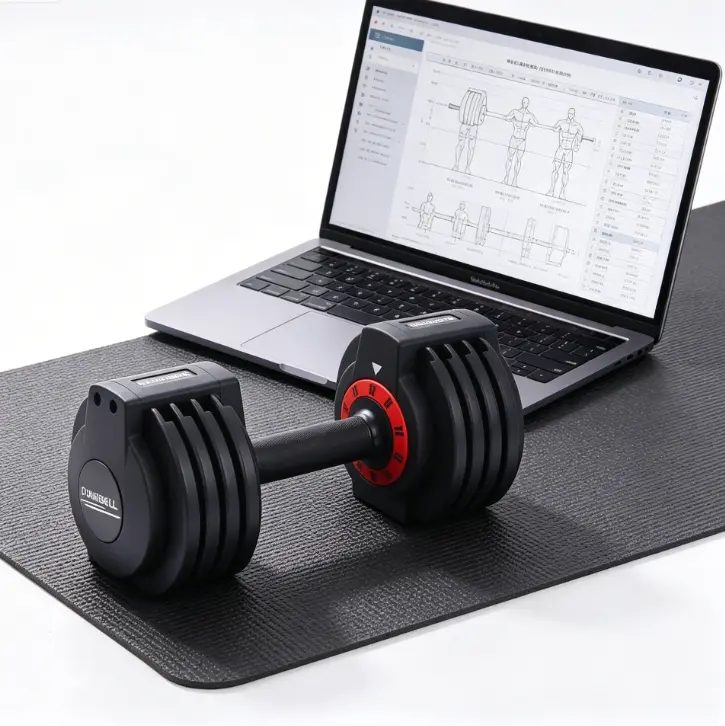
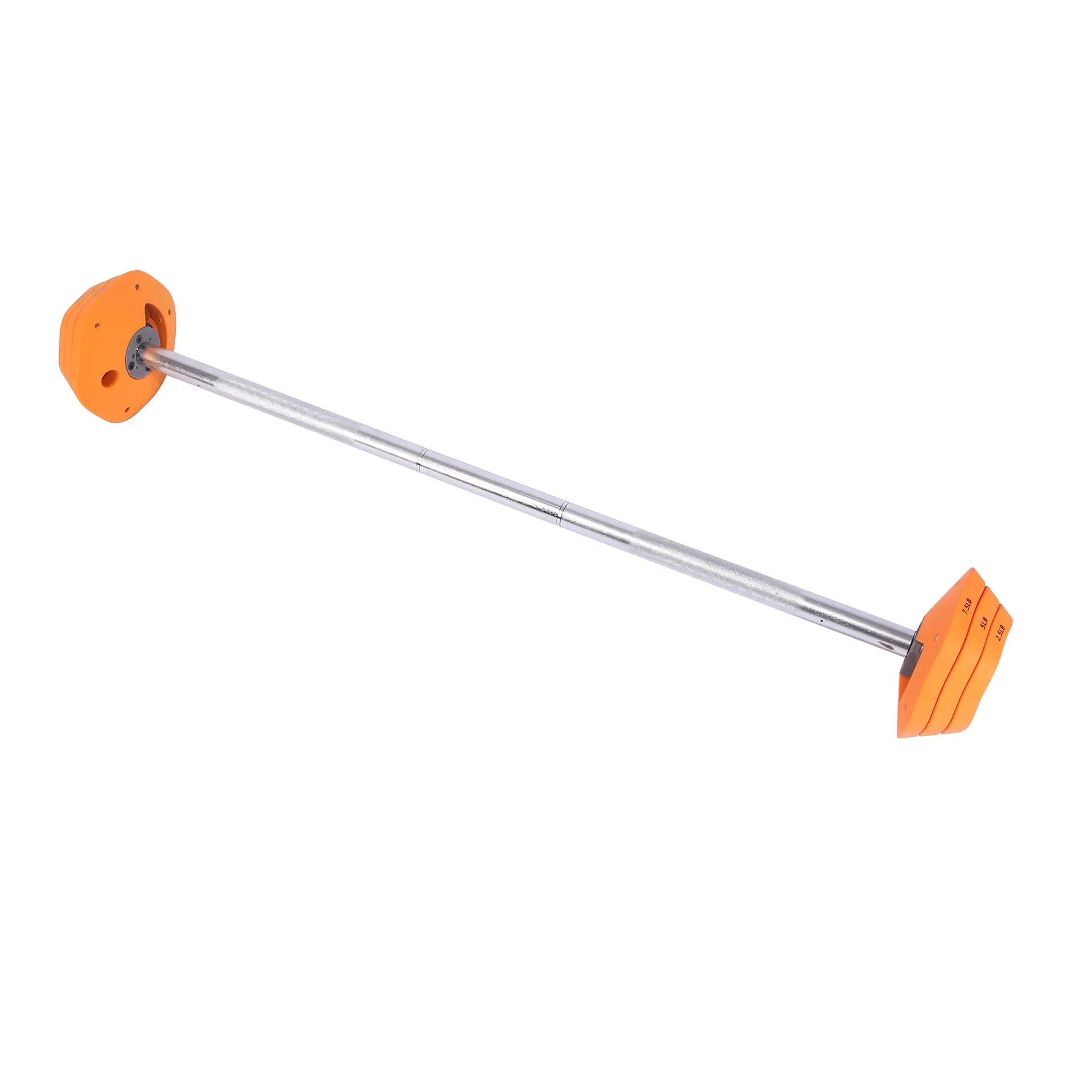
In the home fitness equipment procurement sector, 3‑in‑1 Adjustable Dumbbells have emerged as a leading product category. These products integrate the functions of dumbbells, barbells, and kettlebells into one unit, with their core technical value lying in the feature of continuously variable weight with no gear limitations. For professional buyers, understanding the design logic, implementation methods, and real‑world user experience impacts of this technology is critical for product evaluation and selection.
1. What is Continuous Adjustment with "No Gear Limitations"?
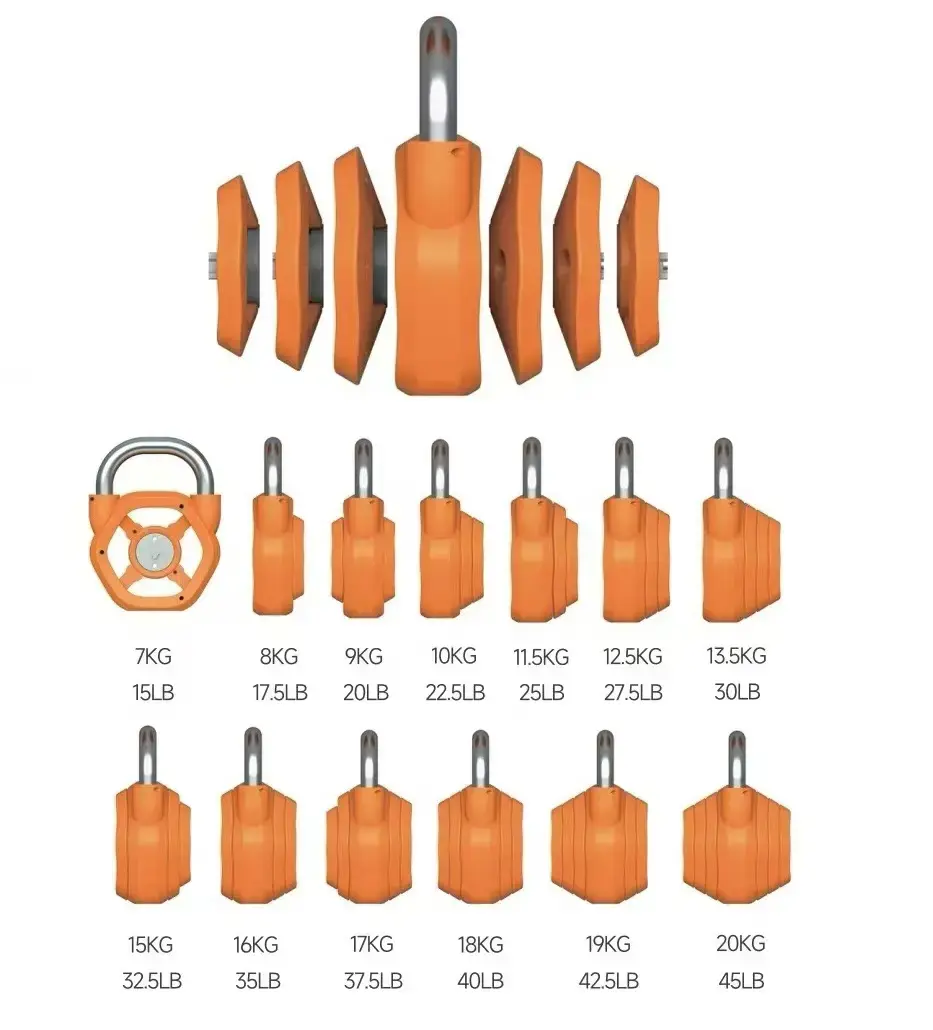
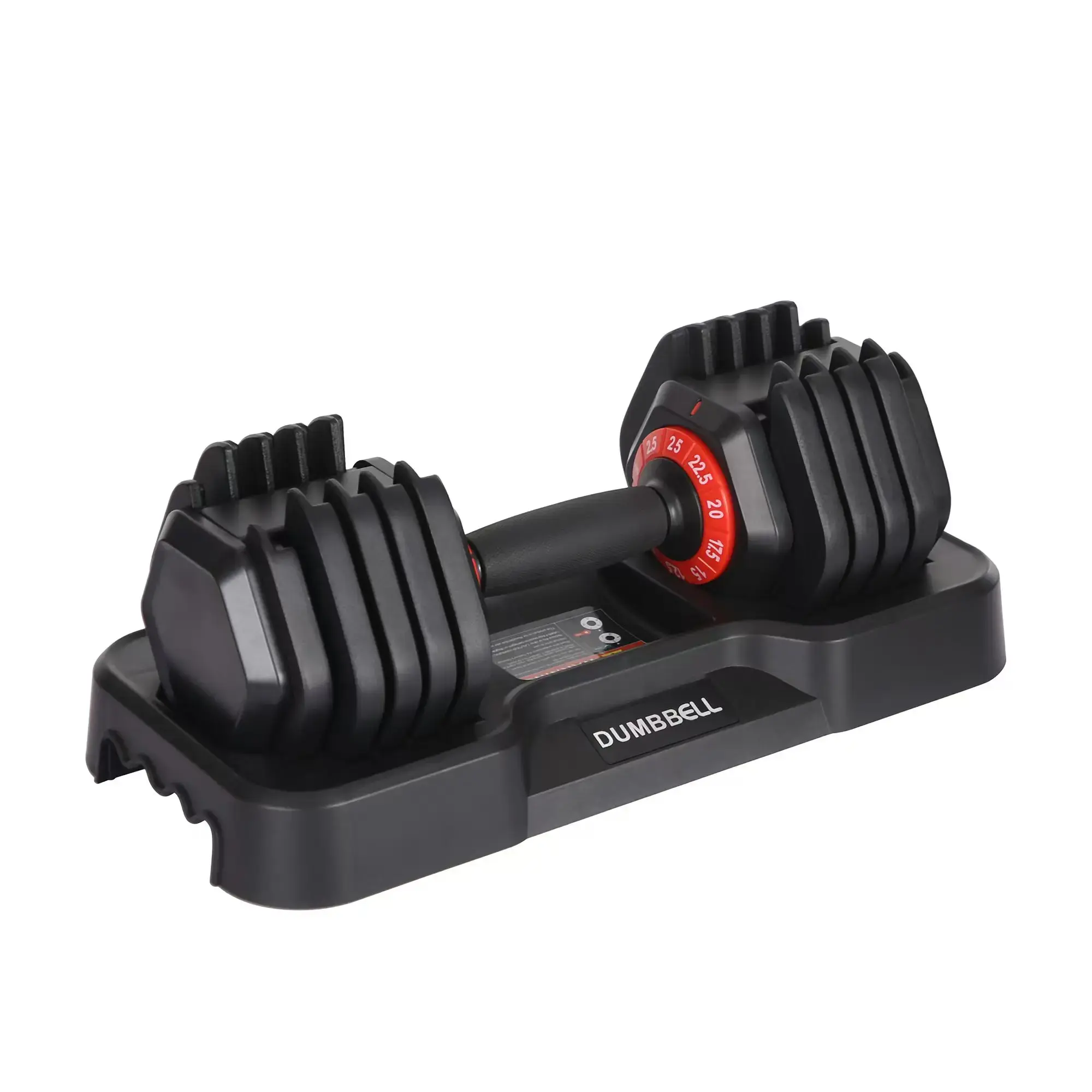
Traditional adjustable dumbbells – whether early nut‑locking types, mainstream knob‑and‑latch systems, or pin‑lock designs – typically use stepped, gear‑based weight adjustment. This means users can only select from preset fixed weights (such as 2kg, 5kg, 10kg) with fixed increments (usually 2kg or 4kg). While this design meets basic training needs, experienced fitness enthusiasts note that large weight steps create a common frustration: “the previous weight is too light, but the next one is too heavy to lift”.
The continuous weight adjustment with no gear limitations design solves this pain point directly. Its core technology abandons fixed weight plates and locking notches, and instead uses an internal structure that supports stepless weight variation. According to related patent technologies, one common method involves a built‑in weight cavity inside the dumbbell head. Users add or remove dense filling materials (such as fine sand or iron powder) and secure them with a specialized locking system to achieve smooth, stepless weight changes. This design breaks through physical gear restrictions, allowing weight to be set freely between a minimum and maximum value, with theoretical increments as fine as 0.5kg or even smaller.
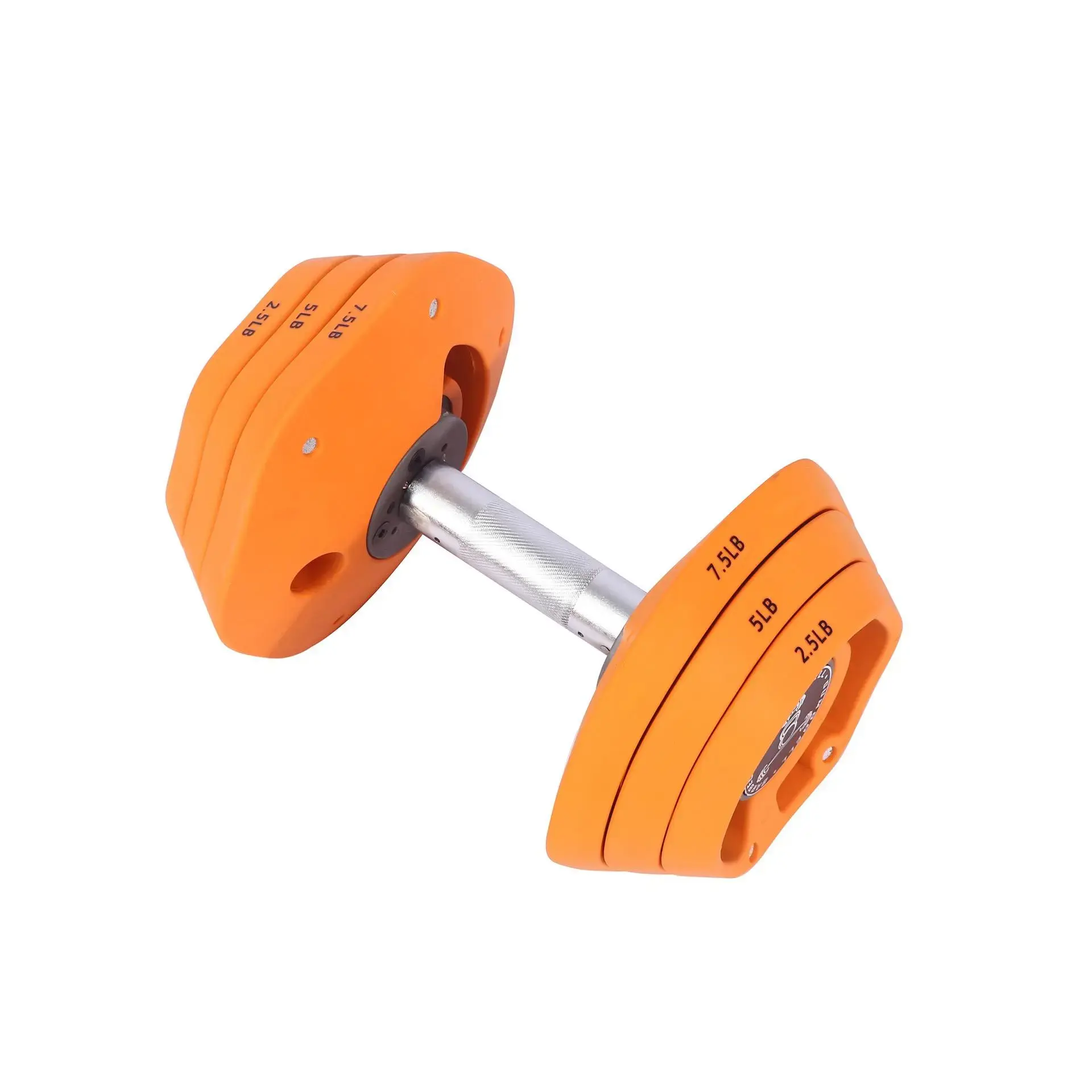
2. Technical Implementation and Advantages of Continuous Weight Adjustment
Continuous adjustment is more than just a different control method – it delivers meaningful improvements in user experience and overall product value.
2.1 Precise Matching of Training Load
For strength trainers following progressive overload principles or users in physical rehabilitation, fine weight tuning is essential. The no‑gear design allows users to select the exact load that matches their daily physical condition and specific exercise, rather than being forced to adapt to fixed steps. User feedback confirms that 0.5kg increments enable highly flexible transitions: “shoulder press in the morning at 8.5kg; single‑arm row in the evening adjusted to 12.5kg for stable, controlled movement”.
2.2 More Balanced Weight Distribution and Stability
Many gear‑type dumbbells, especially those that extend weight plates to increase load, suffer from uneven center of gravity, which reduces stability during lateral raises and similar movements. In contrast, continuous‑adjustment designs using internal weight cavities distribute filling material evenly inside the dumbbell head, supporting a more balanced center of gravity, less shaking, and reduced noise during use.
2.3 Integrated and Simplified Structural Design
The 3‑in‑1 format already combines multiple functions, and stepless adjustment further simplifies internal mechanics. Compared with complex multi‑gear latch or dial systems, stepless designs typically use fewer moving parts, potentially lowering failure risks from long‑term wear or loosening. A top complaint about traditional adjustable dumbbells is accidental plate loosening or dropping. Modern continuous‑adjustment structures address this with highly reliable locking mechanisms, such as multi‑directional interlocking systems and continuous‑pressure elastic washers.
3. Key Procurement Evaluation Points: From Technology to Product Performance
When evaluating 3‑in‑1 stepless adjustable dumbbells, professional buyers should focus on the following criteria:
3.1 Adjustment Mechanism and Reliability
- Technical Principle: Clarify the supplier’s specific method for stepless adjustment – whether it uses fillable media, friction locking, or a linked mechanical structure. Different systems directly affect durability and maintenance costs.
- Locking Safety: Continuous adjustment does not mean unsecured adjustment. Strictly verify the locking mechanism’s stability at any weight setting. Request fatigue test reports and safety certification data to ensure no weight slippage under repeated use or heavy load.
3.2 Weight Range and Adjustment Accuracy
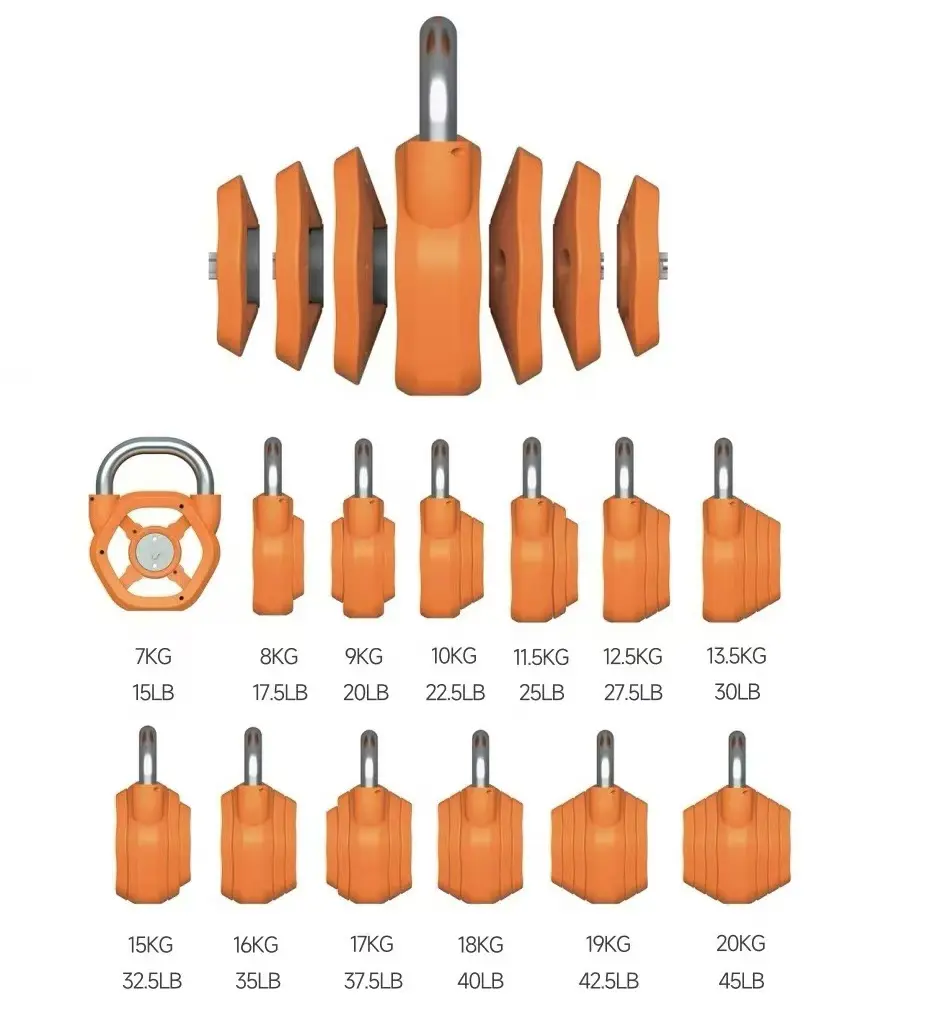
- Weight Range: Confirm the minimum and maximum continuously adjustable weight per dumbbell. For home use, a 20–30kg range per unit satisfies most users.
- Adjustment Precision: Ask for the minimum achievable weight increment – 0.5kg or 1kg. This directly determines adaptability across different training stages.
3.3 Convenience of 3‑in‑1 Function Switching
- Conversion Speed: Evaluate how quickly and easily the unit switches between dumbbell, barbell, and kettlebell modes. For frequent home use, fast conversion significantly improves user experience.
- Accessory Completeness: Verify that connecting rods, multi‑shape handles, and other accessories are included, well‑made, and simple to install.
3.4 Material Quality and Long‑Term Durability
- Core Materials: Check the material of key components (dumbbell heads, connecting rods) such as high‑carbon steel or solid steel, and surface finishes (electroplating, rubber coating). Solid steel generally outperforms cast‑iron coated versions in rust resistance and longevity.
- Handle Design: Evaluate grip material (TPU, PPR, etc.), anti‑slip texture, and length, as these directly affect training comfort and safety.
Conclusion
Continuously variable weight with no gear limitations represents a key technical trend in the evolution of adjustable dumbbells toward greater precision and user‑friendliness. It overcomes the limitations of traditional gear‑based systems and provides users with more flexible, accurate loading options. For buyers, making informed procurement decisions requires a deep understanding of the underlying technology, combined with rigorous assessment of real‑world performance, safety, and durability.